




Unlocking Thermal Management: The Power of Professional High Thermal Conductivity Ceramic Cooling Sheets
Introduction to Ceramic Cooling Sheets
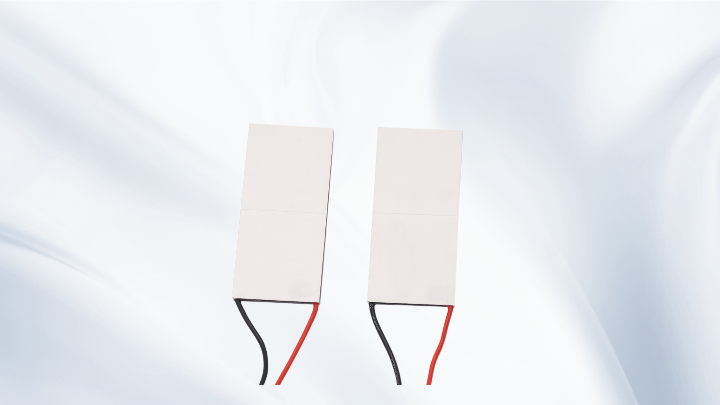
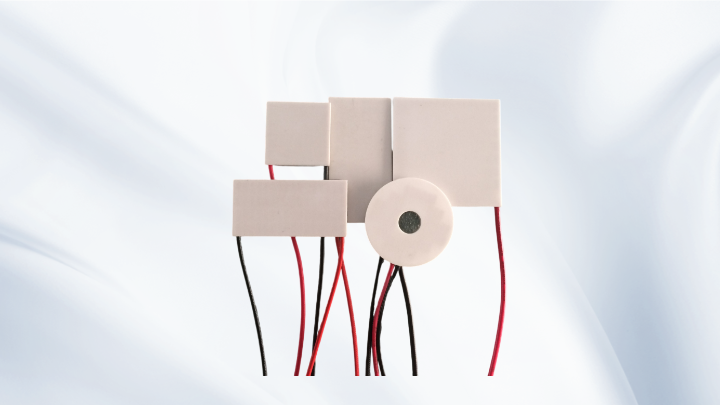
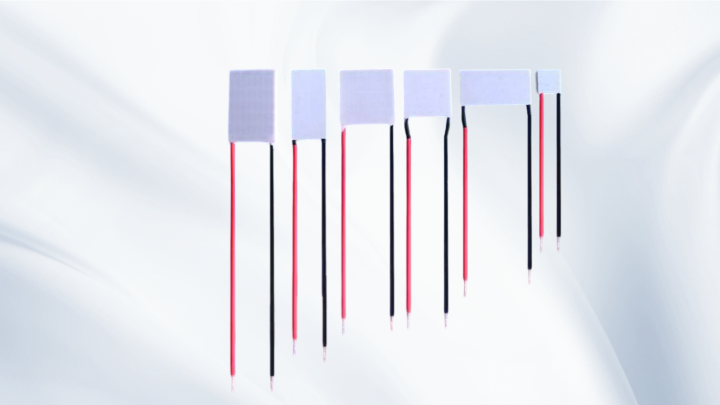
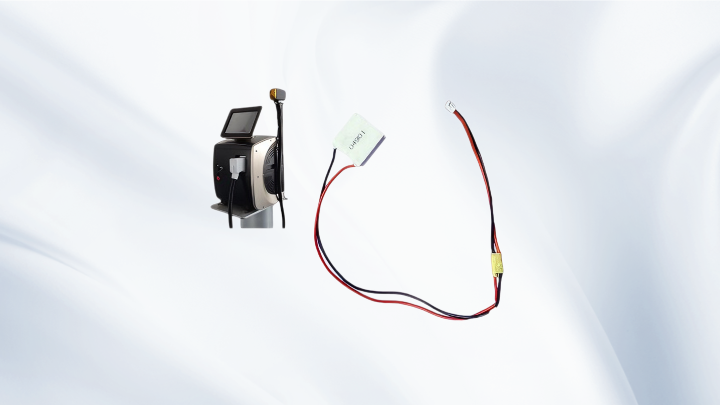
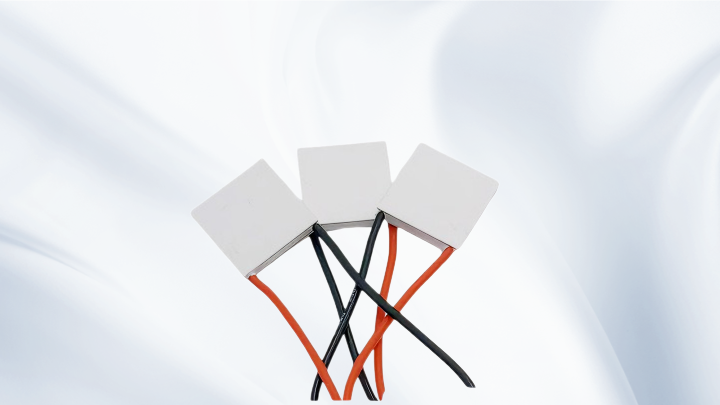
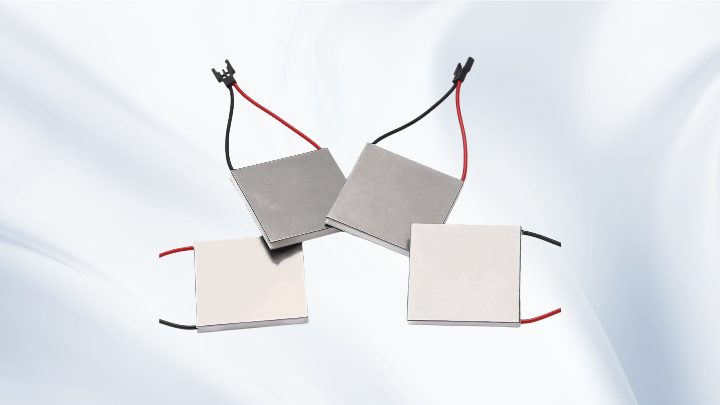
Professional high thermal conductivity ceramic cooling sheets are advanced materials designed to manage heat in electronic devices. Unlike traditional metal-based solutions, these sheets leverage ceramics like aluminum nitride (AlN) or beryllium oxide (BeO), which provide exceptional thermal conductivity while maintaining electrical insulation. This makes them ideal for high-power applications where heat buildup can lead to failure. In my experience working with thermal management systems, I've seen how these sheets can reduce operating temperatures by up to 30%, significantly enhancing reliability.
Key Properties and Advantages
The primary advantage of these ceramic sheets is their high thermal conductivity, often ranging from 150 to 300 W/mK, which surpasses many metals. This allows for rapid heat transfer away from sensitive components. Additionally, they offer excellent electrical insulation, preventing short circuits in densely packed circuits. Their durability and resistance to corrosion ensure long-term performance, even in harsh environments. For instance, in automotive electronics, they help maintain stability under extreme temperatures, reducing the risk of overheating-related failures.
Applications in Modern Technology
These cooling sheets are widely used in industries such as telecommunications, aerospace, and consumer electronics. In 5G infrastructure, they dissipate heat from high-frequency chips, ensuring signal integrity. In LED lighting, they extend lifespan by managing junction temperatures. A common recommendation is to integrate them into power modules and CPUs, where heat generation is intense. Based on real-world cases, proper installation can improve efficiency by 20%, making them a cost-effective investment for performance-critical systems.
Best Practices for Implementation
To maximize benefits, it's essential to follow best practices. First, ensure proper surface preparation by cleaning and applying thermal interface materials (TIMs) to fill gaps. Second, consider the sheet thickness and size based on the heat load; thinner sheets may offer better flexibility but lower thermal mass. Third, regular monitoring and maintenance can prevent issues like delamination. From my professional advice, collaborating with suppliers for custom designs often yields optimal results, as one-size-fits-all solutions may not address specific thermal challenges.
Common Questions
How do ceramic cooling sheets compare to metal alternatives?
Ceramic sheets typically offer higher thermal conductivity and better electrical insulation than metals like aluminum, making them safer and more efficient for electronic applications, though they may be more brittle and require careful handling.
What are the typical costs involved?
Costs vary based on material and size, but they are generally higher than basic metal sheets due to advanced manufacturing processes. However, their longevity and performance gains often justify the investment in high-stakes environments.
Can these sheets be used in flexible electronics?
Yes, some ceramic composites are designed with flexibility, but it's crucial to select materials that balance thermal properties with mechanical durability to avoid cracking under stress.
Related Posts