




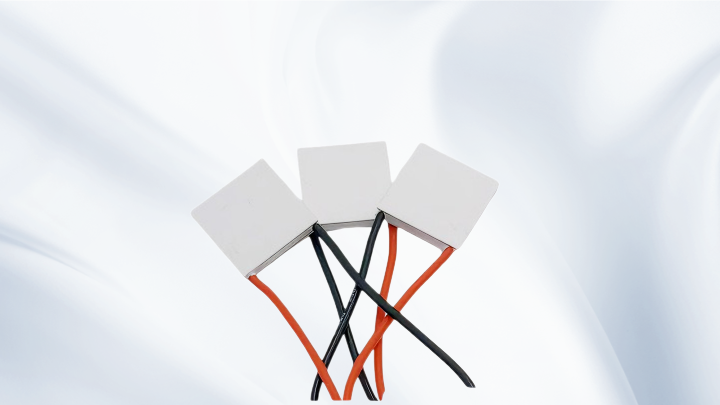
The Ultimate Guide to Professional Semiconductor Refrigeration Coolers: Technology, Applications, and Best Practices
Understanding Semiconductor Refrigeration Technology
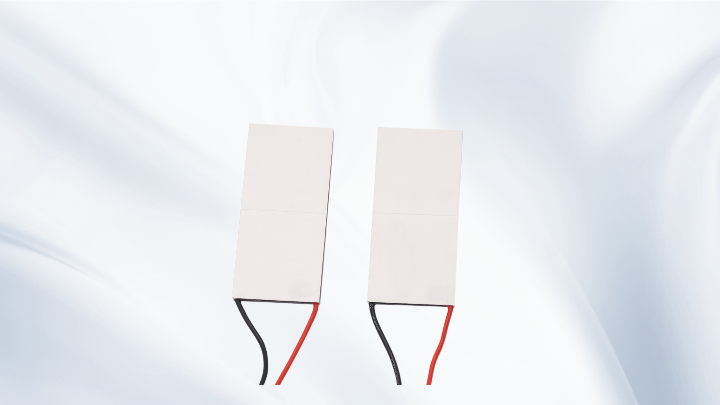
At the heart of professional semiconductor refrigeration coolers is the Peltier effect, a thermoelectric phenomenon discovered in the 19th century. When an electric current passes through a junction of two dissimilar semiconductors, heat is absorbed on one side and released on the other, creating a cooling effect. Unlike traditional compressor-based systems, these coolers have no moving parts, making them silent, compact, and vibration-free. This technology relies on materials like bismuth telluride, which offer high thermoelectric efficiency. By stacking multiple thermoelectric modules, professionals can achieve greater temperature differentials, enabling precise cooling from ambient down to sub-zero levels in controlled environments.
Key Advantages in Professional Applications
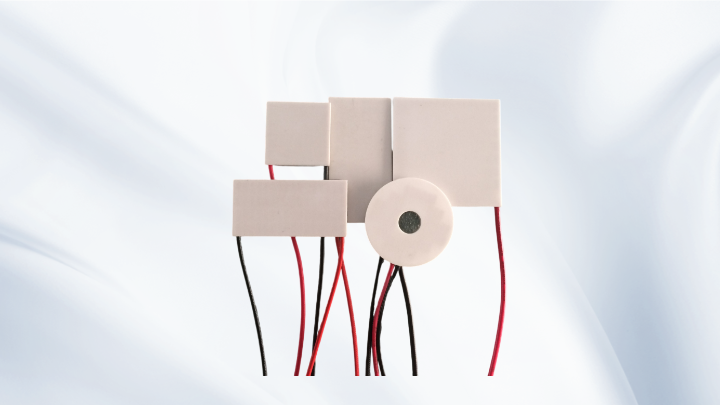
Professional semiconductor refrigeration coolers offer several benefits that make them indispensable in various fields. Their compact size and lightweight design allow for integration into space-constrained devices, such as laboratory instruments or portable medical equipment. Since they operate without refrigerants or compressors, they are environmentally friendly and require minimal maintenance, reducing long-term costs. Additionally, they provide rapid response times for temperature adjustments, which is crucial in applications like laser cooling or electronic component stabilization. However, it's important to note that their efficiency can be lower than vapor-compression systems at high cooling loads, so they are best suited for low to medium power scenarios where precision and reliability are paramount.
Common Applications Across Industries
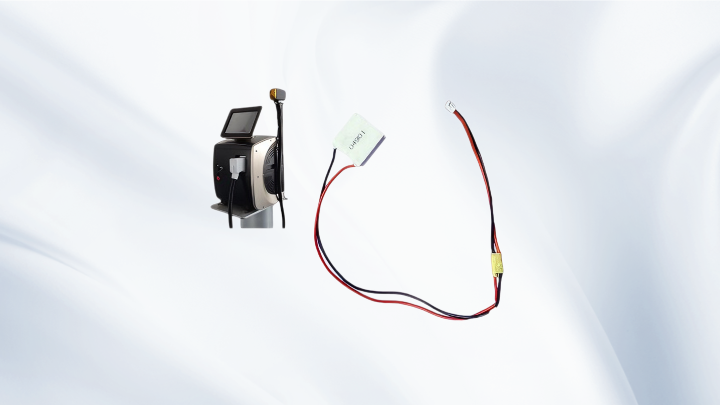
These coolers are widely used in professional settings due to their versatility. In the electronics industry, they cool high-performance CPUs, GPUs, and laser diodes to prevent overheating and ensure optimal operation. In medical devices, they maintain stable temperatures for blood analyzers, PCR machines, and imaging systems, enhancing accuracy and patient safety. Other applications include scientific research, where they control temperatures in environmental chambers or spectroscopy equipment, and the automotive sector for cooling infrared sensors. By selecting the right cooler based on factors like cooling capacity and voltage requirements, professionals can achieve efficient thermal management in diverse projects.
Best Practices for Selection and Implementation
To maximize the performance of a professional semiconductor refrigeration cooler, follow these practical guidelines. First, assess the heat load and temperature requirements of your application; this determines the necessary cooling power and module size. Ensure proper heat sinking on the hot side, as inadequate dissipation can reduce efficiency and lead to failure. Use high-quality thermal interface materials, like thermal paste or pads, to minimize thermal resistance between the cooler and the target surface. For power supply, opt for a stable DC source with current control to avoid overheating. Regular monitoring with temperature sensors can help detect issues early. In my experience, integrating these coolers into a system with good insulation and airflow often yields the best results, extending their lifespan and reliability.
Common Questions
How does a semiconductor refrigeration cooler differ from a traditional compressor cooler?
Semiconductor coolers use the Peltier effect with solid-state components, making them silent, compact, and free of moving parts, while compressor coolers rely on refrigerants and mechanical systems, which can be bulkier and noisier but often more efficient for high cooling loads.
What are the main limitations of these coolers?
They typically have lower energy efficiency compared to compressor-based systems, especially at high temperature differentials, and may require careful heat management to prevent performance degradation.
Can semiconductor coolers be used for heating as well?
Yes, by reversing the electric current direction, they can switch from cooling to heating mode, offering bidirectional temperature control useful in applications like thermal cycling.
How do I choose the right cooler for my project?
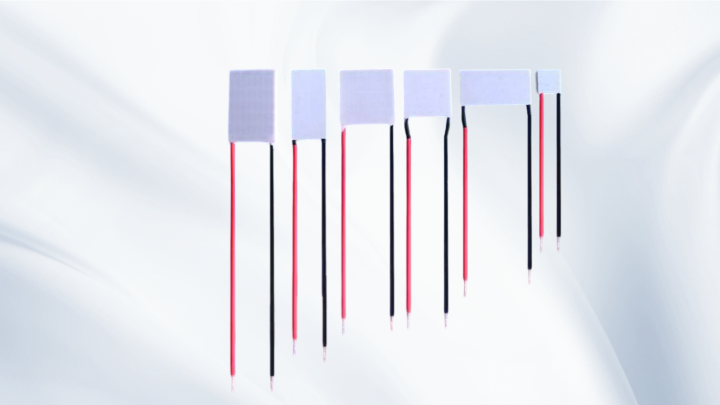
Consider factors such as maximum cooling capacity, operating voltage, size constraints, and environmental conditions; consulting manufacturer datasheets and performing thermal simulations can aid in selection.
Related Posts