




The Versatile World of Thermoelectric Coolers: Small Devices, Big Impact
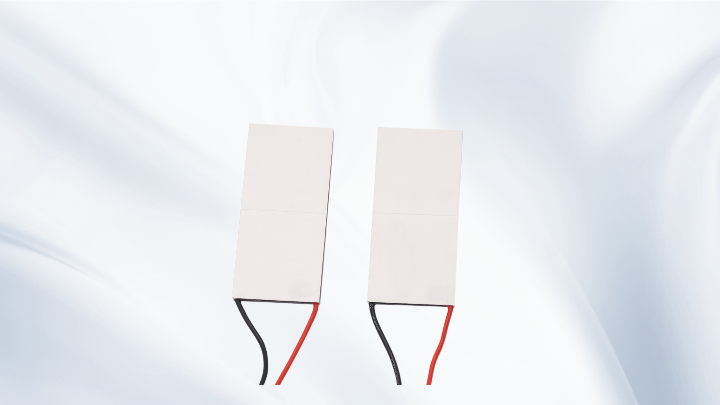
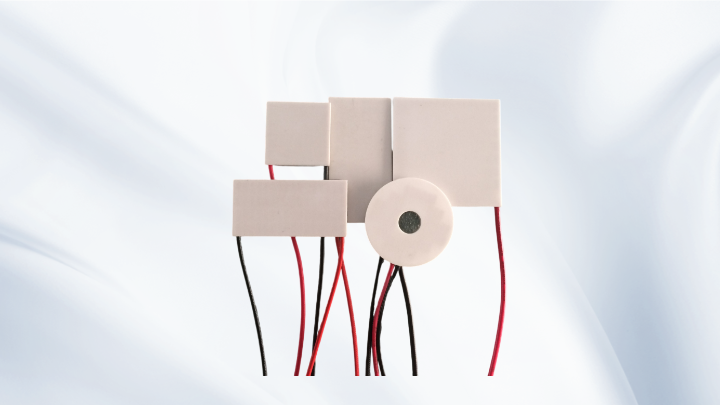
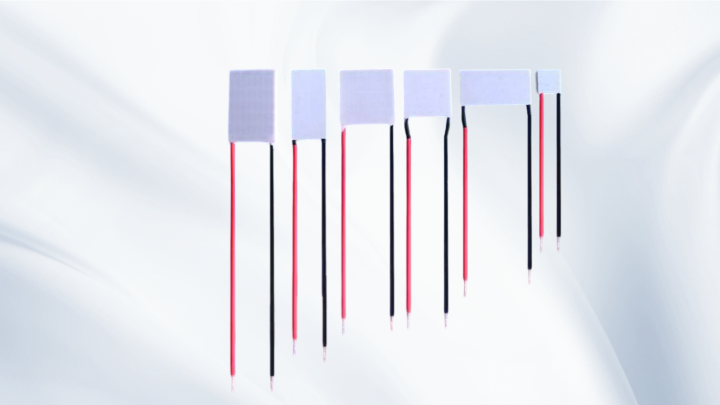
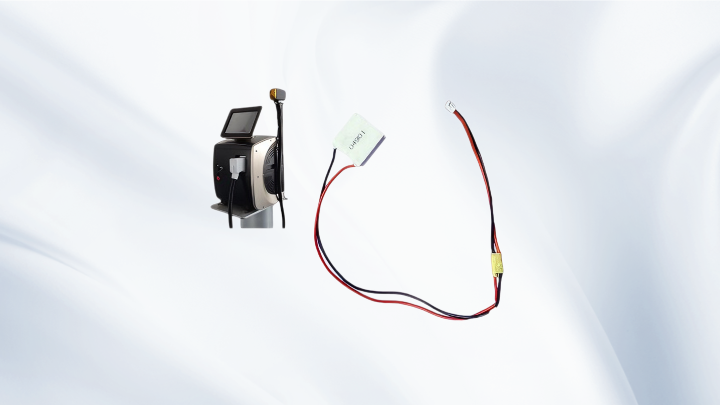
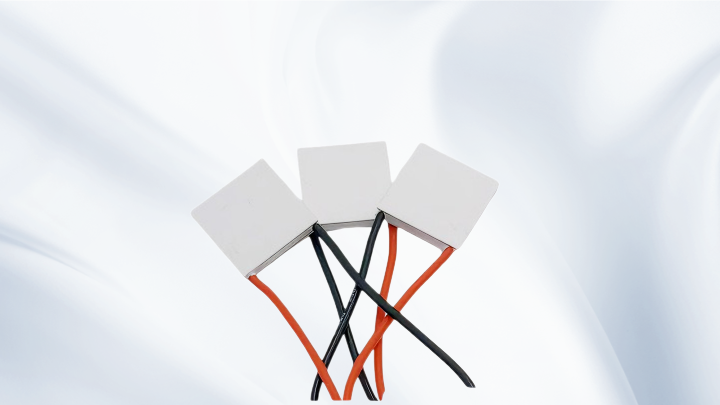
In the realm of temperature control, a quiet revolution is underway, powered not by compressors and refrigerants, but by solid-state physics. Thermoelectric coolers (TECs), also known as Peltier devices, are semiconductor-based modules that utilize the Peltier effect to create a heat flux between their junctions when an electric current is applied. This simple, reliable, and precise technology has carved out indispensable niches across a surprisingly wide array of industries, from cutting-edge science to everyday consumer products.
Core Principles and Advantages
At its heart, a TEC is a sandwich of p-type and n-type semiconductor pellets connected electrically in series and thermally in parallel between two ceramic plates. When DC power flows, one side absorbs heat (cools down), while the other side releases heat (warms up). Reversing the polarity reverses the heating and cooling sides. This fundamental operation grants TECs unique advantages: they have no moving parts, making them silent, vibration-free, and exceptionally reliable with minimal maintenance; they offer precise temperature control (to within ±0.1°C) and rapid response; they are compact and scalable; and they function effectively in any orientation, even in zero-gravity environments.
Key Application Fields
1. Electronics and Telecommunications: Guarding Performance
This is perhaps the largest application area. TECs provide precise thermal management for critical components:
- Laser Diodes and Optoelectronics: Stable temperature is vital for the wavelength and output power of laser diodes in fiber optic communications, medical lasers, and barcode scanners. TECs ensure peak performance and longevity.
- CCD and CMOS Image Sensors: In high-performance scientific, astronomical, and medical cameras, cooling sensors with TECs drastically reduces thermal noise, enabling clearer, more sensitive images, especially in low-light conditions.
- Microprocessor Cooling: While not typically for consumer PCs, TECs are used for specialized computing, overclocking, and cooling specific high-heat-flux components in advanced electronics, sometimes reaching sub-ambient temperatures.
2. Medical and Life Sciences: Enabling Precision and Portability
- Portable Medical Coolers: TECs are ideal for compact, quiet, and portable devices used to transport and store vaccines, insulin, blood samples, and other temperature-sensitive medical supplies, especially in remote locations.
- Laboratory Equipment: They are integrated into DNA cyclers (PCR machines) for rapid thermal cycling, spectrophotometer cell holders, and environmental chambers where precise, localized temperature control is required.
- Patient Cooling Systems: Devices like cooling blankets or caps for therapeutic hypothermia (to reduce metabolic stress after cardiac events or brain injuries) often employ TEC technology.
3. Automotive and Aerospace: Meeting Extreme Demands
- Climate-Controlled Seats: Luxury vehicles use embedded TECs to provide personalized, rapid heating or cooling for individual seats, enhancing comfort without taxing the main vehicle HVAC system.
- Electronic Control Units (ECUs): As automotive electronics become more powerful, TECs help manage heat in densely packed control modules, particularly in electric vehicles.
- Spacecraft and Satellites: Their reliability, lack of vibration, and zero-gravity operation make TECs perfect for maintaining specific temperatures for sensitive infrared sensors, scientific instruments, and onboard electronics in space missions.
4. Consumer and Commercial Products: Enhancing Everyday Life
- Beverage Coolers and Warmers: Compact desktop units use TECs to cool or heat a single can or cup. Some luxury car models feature TEC-based cup holders.
- Dehumidifiers and Air Conditioning: Small, silent dehumidifiers use TECs to condense moisture from the air. While less efficient for large spaces, TECs are excellent for spot cooling in electronics enclosures, small cabins, or specialized equipment.
- Gaming PCs and High-End Computing: Enthusiasts use TECs for extreme CPU/GPU cooling to push performance limits, though managing condensation is a key challenge.
5. Industrial and Scientific Instruments: Ensuring Accuracy
- Gas Analyzers and Dew Point Sensors: TECs provide precise temperature control for sensors and condensation surfaces, ensuring accurate moisture and gas concentration measurements.
- Environmental Chambers: They enable localized temperature stabilization within larger instruments.
- Scientific Research: Any experiment requiring stable, precise, or rapid temperature changes at a small scale—from material science to chemistry—can benefit from integrated TECs.
Challenges and Future Outlook
Despite their versatility, TECs have limitations, primarily lower energy efficiency compared to vapor-compression systems for large-scale cooling, and cost per watt of cooling. However, the future is bright. Ongoing research in novel thermoelectric materials (like skutterudites, nanostructured alloys) aims to significantly improve the dimensionless figure of merit (ZT), a key efficiency metric. Advances in manufacturing and integration are also reducing costs. The growing demand for miniaturization, precise thermal management in electronics, and portable cooling solutions ensures that thermoelectric coolers will continue to expand their reach.
Conclusion
From stabilizing the laser that carries our internet data to preserving life-saving medicines in remote clinics, and from ensuring clear images of distant stars to keeping a driver's seat comfortable, thermoelectric coolers demonstrate that the most impactful technologies are often those that work silently in the background. As material science progresses, these solid-state workhorses are poised to cool, heat, and stabilize our world with ever-greater efficiency and in ever more innovative ways, proving that good things truly do come in small, temperature-controlled packages.
Related Posts