




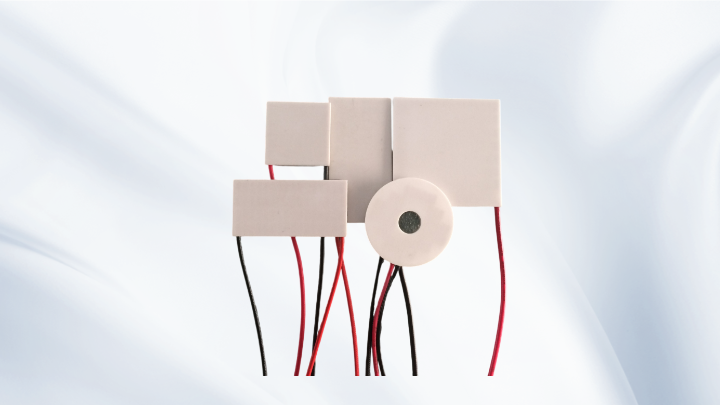
Unlocking Peak Performance: The Essential Guide to High-Quality Semiconductor Coolers
Understanding Semiconductor Coolers
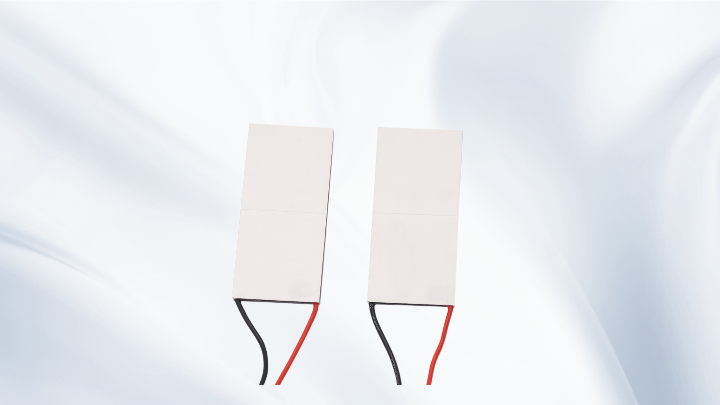
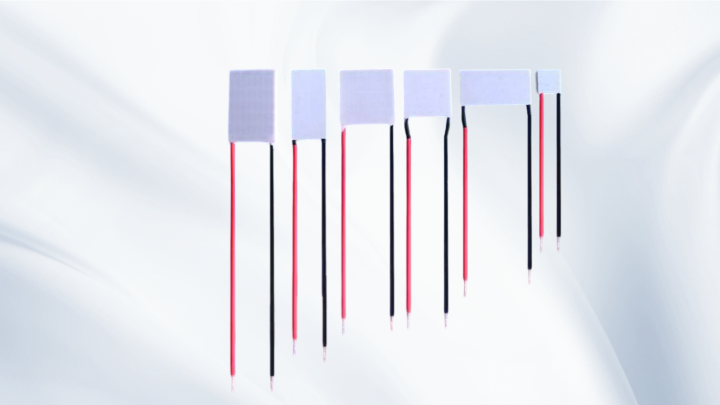
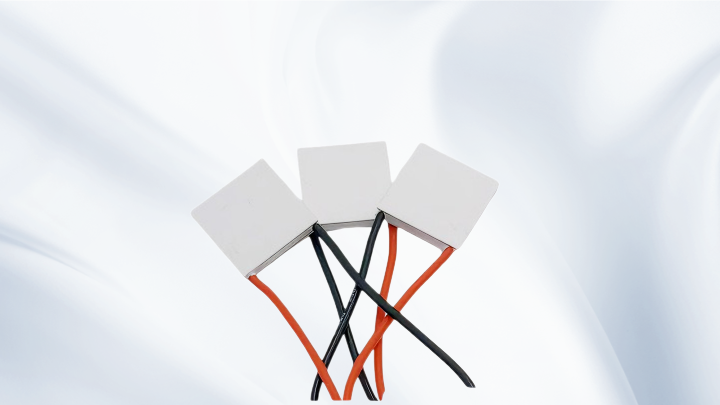
Semiconductor coolers, often referred to as thermoelectric coolers or Peltier devices, are essential components in modern electronics. They operate on the Peltier effect, where an electric current creates a temperature difference between two junctions, effectively transferring heat away from sensitive components like CPUs, GPUs, and power modules. High-quality semiconductor coolers are designed to maximize this heat transfer while minimizing energy consumption and noise, making them ideal for applications ranging from consumer gadgets to industrial machinery. Unlike traditional air or liquid cooling systems, they offer precise temperature control and compact designs, but their efficiency depends heavily on build quality and materials.
Key Features of High-Quality Coolers
When selecting a semiconductor cooler, several features distinguish premium models from inferior ones. First, material quality is paramount; high-grade bismuth telluride or similar compounds ensure better thermal conductivity and durability. Second, efficient heat sinks and fans integrated with the cooler enhance dissipation, preventing hotspots. Third, look for low power consumption and high coefficient of performance (COP), which indicates how much cooling is achieved per watt of electricity. Additionally, robust construction with proper insulation reduces thermal leakage and extends lifespan. For instance, in gaming PCs or data centers, using coolers with these features can prevent throttling and boost overall system reliability.
Applications and Benefits
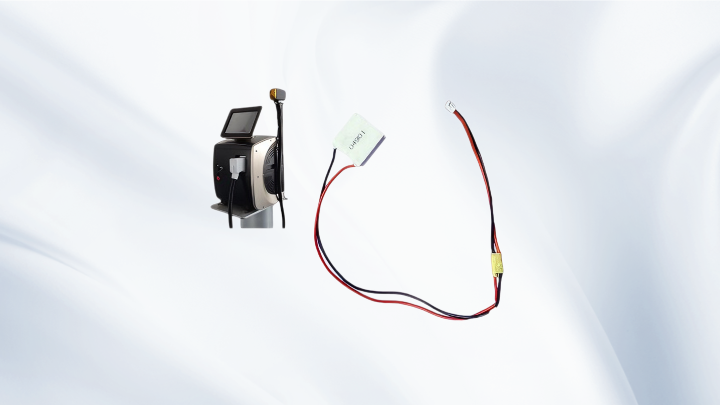
High-quality semiconductor coolers are versatile and find use in numerous fields. In computing, they cool overclocked processors in high-performance desktops, ensuring stable operation during intensive tasks. In medical devices, such as PCR machines, they maintain precise temperatures for accurate results. Automotive electronics rely on them to protect components from engine heat, while telecommunications equipment uses them to prevent signal degradation. The benefits include enhanced performance, as cooler semiconductors operate faster and more efficiently, reduced risk of failure due to overheating, and energy savings from optimized cooling. Real-world examples show that investing in quality coolers can lower maintenance costs and improve product longevity.
Selection and Maintenance Tips
Choosing the right semiconductor cooler involves assessing your specific needs. Start by calculating the heat load of your device; this helps determine the cooler's capacity. Consider factors like size constraints, ambient temperature, and noise tolerance. For DIY projects, ensure compatibility with existing hardware and check reviews for reliability. Once installed, regular maintenance is key: clean dust from heat sinks periodically, monitor temperature readings, and avoid overloading the cooler beyond its rated capacity. Proper installation with thermal paste and secure mounting also prevents air gaps that reduce efficiency. In industrial settings, implementing cooling systems with redundancy can safeguard against failures.
Common Questions
What is the main advantage of semiconductor coolers over traditional cooling methods?
Semiconductor coolers offer precise temperature control, compact size, and no moving parts in some designs, reducing wear and noise compared to fans or liquid systems. They are ideal for applications requiring spot cooling or tight spaces.
How do I know if a semiconductor cooler is high-quality?
Look for certifications, high COP ratings, positive user feedback, and materials like bismuth telluride. Quality coolers often come with warranties and detailed specifications on heat transfer rates.
Can semiconductor coolers be used in extreme environments?
Yes, but select models rated for high temperatures or humidity. High-quality ones with robust seals and materials can withstand harsh conditions, but always check manufacturer guidelines to avoid damage.
What are common issues with semiconductor coolers and how to fix them?
Common problems include condensation, which can be mitigated with proper insulation, and reduced efficiency over time due to dust buildup. Regular cleaning and monitoring can address these, while professional repair may be needed for electrical faults.
Related Posts