




Unlocking Peak Performance: The Critical Role of High-Quality Semiconductor Cooling Plates in Modern Electronics
Understanding Semiconductor Cooling Plates
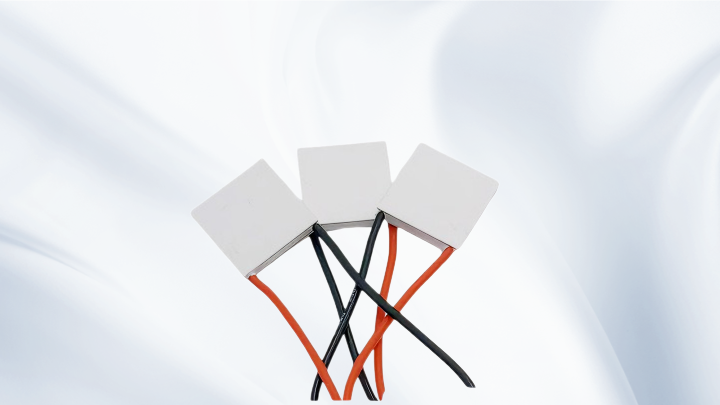
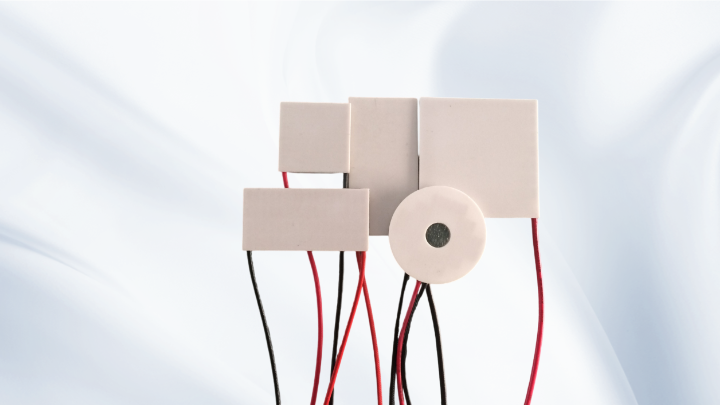
Semiconductor cooling plates, often referred to as heat spreaders or thermal plates, are essential components in electronic systems designed to manage and dissipate heat generated by semiconductors like CPUs, GPUs, and power devices. As electronic devices become more powerful and compact, they produce increasing amounts of heat, which can lead to performance throttling, reduced lifespan, or even catastrophic failure if not properly controlled. High-quality cooling plates are engineered to efficiently transfer heat away from these sensitive components, maintaining optimal operating temperatures and ensuring stable functionality. They typically consist of materials with high thermal conductivity, such as copper or aluminum, and may incorporate advanced features like microchannels or vapor chambers for enhanced cooling efficiency.
Key Features of High-Quality Cooling Plates
When selecting a semiconductor cooling plate, several factors determine its quality and effectiveness. First, material selection is crucial; copper offers superior thermal conductivity but is heavier and more expensive, while aluminum is lighter and cost-effective but less conductive. High-quality plates often use alloys or coatings to balance these properties. Second, the design and manufacturing precision play a significant role. Plates with smooth, flat surfaces ensure good contact with the semiconductor, minimizing thermal resistance. Advanced designs may include integrated heat pipes or phase-change materials to boost heat dissipation. Third, durability and reliability are paramount; plates must withstand thermal cycling and mechanical stress without degrading. In my experience, investing in plates from reputable manufacturers that undergo rigorous testing can prevent common issues like warping or corrosion, which compromise performance over time.
Applications Across Industries
High-quality semiconductor cooling plates find applications in a wide range of industries, each with specific demands. In consumer electronics, such as smartphones and laptops, they help maintain battery life and prevent overheating during intensive tasks. In the automotive sector, especially with the rise of electric vehicles, cooling plates are critical for managing heat in power electronics and battery systems, ensuring safety and efficiency. Data centers rely heavily on these components to cool servers and prevent downtime, as even minor temperature spikes can lead to significant energy losses and hardware failures. Additionally, in industrial and medical equipment, where precision and reliability are non-negotiable, robust cooling plates ensure consistent operation. For example, in MRI machines or laser systems, effective thermal management prevents malfunctions that could impact patient care or production processes.
Best Practices for Implementation
To maximize the benefits of high-quality semiconductor cooling plates, proper implementation is key. Start by accurately assessing the thermal load of your semiconductor; this involves calculating heat generation based on power consumption and operating conditions. Choose a plate with adequate thermal capacity and ensure it matches the size and shape of the component. During installation, apply a high-quality thermal interface material, such as thermal paste or pads, to fill microscopic gaps and improve heat transfer. Regularly monitor temperatures using sensors and adjust cooling systems as needed. In practice, I've found that combining active cooling methods, like fans or liquid cooling, with passive plates can provide optimal results. Also, consider environmental factors; for instance, in dusty or humid environments, select plates with protective coatings to prevent corrosion. By following these steps, you can enhance device longevity and performance while avoiding common pitfalls like inadequate cooling or compatibility issues.
Common Questions
What is the difference between a cooling plate and a heat sink?
A cooling plate is typically a flat, conductive component that directly contacts the semiconductor to spread heat, while a heat sink often includes fins or other structures to dissipate heat into the air. Cooling plates are usually part of a larger thermal management system and may be used in conjunction with heat sinks for more effective cooling.
How do I know if my cooling plate is high-quality?
Look for features such as high thermal conductivity materials (e.g., copper with purity above 99.9%), precise manufacturing tolerances, and certifications from industry standards. Reputable brands often provide performance data and warranties, which can indicate reliability. Testing under real-world conditions can also help verify effectiveness.
Can cooling plates be customized for specific applications?
Yes, many manufacturers offer customization options for size, shape, material, and additional features like integrated sensors or special coatings. This allows tailoring to unique thermal requirements, such as in aerospace or military electronics where space and weight are critical constraints.
What are common maintenance tips for cooling plates?
Regularly inspect for dust buildup, corrosion, or physical damage. Clean surfaces with appropriate solvents to maintain thermal contact, and reapply thermal interface materials as recommended by the manufacturer. In systems with liquid cooling, check for leaks or blockages to ensure continuous operation.
Related Posts