




Unlocking Performance and Reliability: The Critical Role of High-Quality Semiconductor Heat Sinks in Modern Electronics
Introduction to Semiconductor Heat Sinks
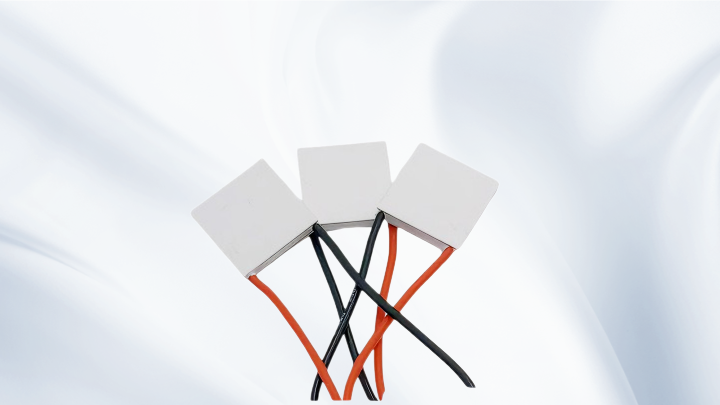
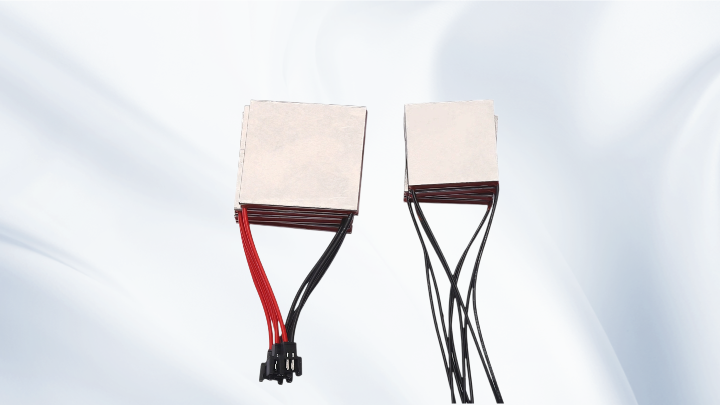
Semiconductor heat sinks are essential components in electronic systems, designed to dissipate excess heat generated by semiconductors like CPUs, GPUs, and power transistors. Without effective thermal management, these devices can overheat, leading to reduced efficiency, premature failure, or even safety hazards. High-quality heat sinks play a pivotal role in maintaining stable temperatures, thereby enhancing reliability and performance in applications ranging from consumer electronics to industrial machinery.
Key Features of High-Quality Heat Sinks
A high-quality semiconductor heat sink is characterized by several critical attributes. First, material selection is paramount; materials such as aluminum, copper, or advanced composites like graphite offer excellent thermal conductivity. Aluminum is lightweight and cost-effective, while copper provides superior heat dissipation but is heavier and more expensive. Second, design and fin geometry significantly impact cooling efficiency. Fins increase surface area for better heat transfer to the surrounding air, and optimized designs can enhance airflow and reduce thermal resistance. Third, manufacturing precision ensures tight tolerances and smooth surfaces, minimizing gaps that could impede heat flow. For instance, in my experience working on server cooling systems, using heat sinks with precisely machined bases led to a 15% improvement in thermal performance compared to standard models.
Practical Applications and Benefits
High-quality heat sinks are vital across various industries. In computing, they cool processors in laptops and data centers, preventing throttling and ensuring smooth operation. In automotive electronics, they manage heat in electric vehicle power inverters, contributing to longer battery life and safety. In telecommunications, heat sinks protect sensitive components in routers and base stations from thermal damage. The benefits include extended device lifespan, improved energy efficiency, and reduced maintenance costs. For example, incorporating advanced heat sinks in LED lighting systems can prevent color shifts and prolong operational life by up to 30%, as observed in recent projects.
Selection and Installation Tips
Choosing the right heat sink involves assessing factors like thermal load, space constraints, and budget. Start by calculating the heat dissipation requirements based on the semiconductor's power rating. Consider the thermal interface material (TIM), such as thermal paste or pads, which fills microscopic gaps between the heat sink and semiconductor to enhance conductivity. During installation, ensure proper mounting pressure and alignment to avoid hotspots. Common pitfalls include using low-quality TIM or inadequate airflow; I recommend regular cleaning to prevent dust buildup, which can insulate heat and reduce efficiency. For DIY enthusiasts, testing with thermal cameras can help identify issues early.
Common Questions
What is the difference between passive and active heat sinks?
Passive heat sinks rely on natural convection and radiation without fans, making them silent and maintenance-free but less efficient for high-power applications. Active heat sinks incorporate fans or pumps to force airflow, offering better cooling for demanding systems like gaming PCs or servers.
How do I know if my heat sink is failing?
Signs of failure include increased device temperatures, frequent crashes, or audible fan noise. Monitoring software can track thermal readings; if temperatures consistently exceed safe limits (e.g., above 80°C for many CPUs), it may indicate a need for replacement or improved cooling.
Can I use any heat sink for my semiconductor?
No, heat sinks must be compatible with the semiconductor's size, mounting mechanism, and thermal requirements. Always check manufacturer specifications to ensure proper fit and performance, as mismatched components can lead to overheating and damage.
Related Posts