




Unlocking Superior Heat Dissipation: The Power of High Thermal Conductivity Ceramic Cooling Sheets
What Are High Thermal Conductivity Ceramic Cooling Sheets?
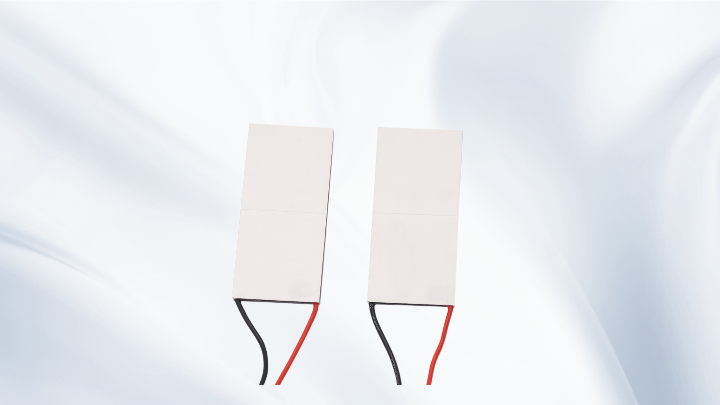
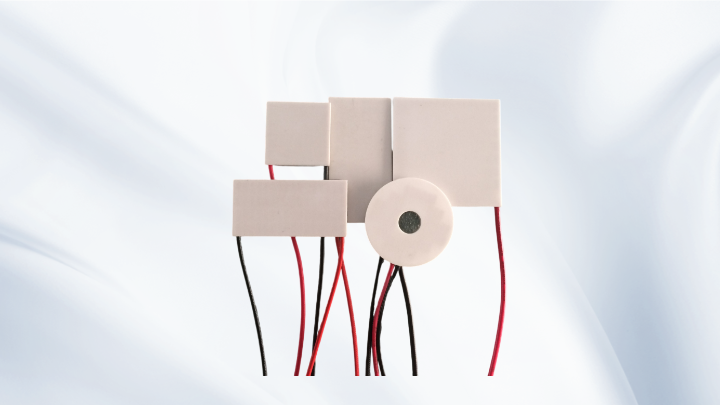
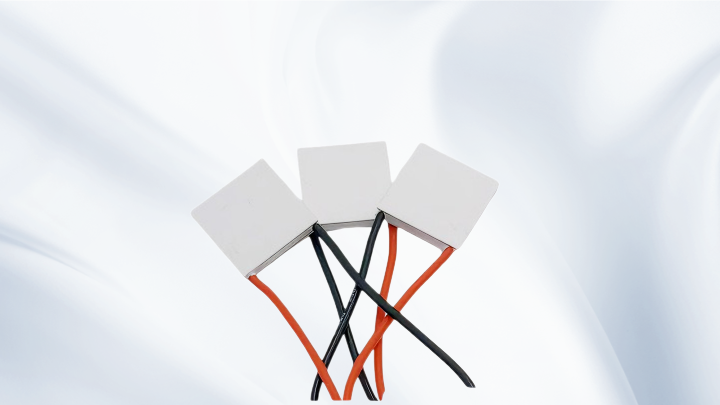
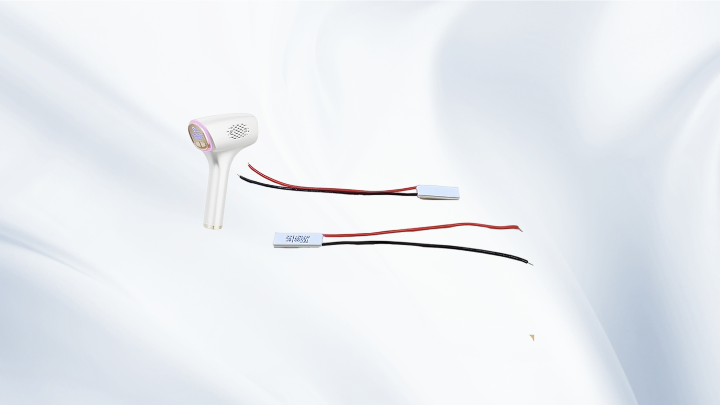
High thermal conductivity ceramic cooling sheets are advanced materials designed to enhance heat dissipation in electronic devices. Unlike traditional cooling methods, these sheets are made from ceramics like aluminum nitride (AlN) or beryllium oxide (BeO), which boast exceptional thermal conductivity—often exceeding 150 W/mK. This allows them to rapidly transfer heat from hotspots to cooler areas, preventing overheating and ensuring stable operation. They are typically thin, flexible, and can be integrated into various systems without adding significant bulk.
Key Benefits of Using Ceramic Cooling Sheets
The primary advantage of these sheets lies in their high thermal efficiency. By efficiently conducting heat, they reduce the risk of thermal throttling, which can degrade performance in devices like CPUs and GPUs. Additionally, ceramics are electrically insulating, making them safe for use in sensitive circuits without risk of short circuits. They also offer excellent durability and resistance to corrosion, ensuring long-term reliability even in harsh environments. Compared to metal-based solutions, ceramic sheets are lighter and can be customized in shape, providing versatile design options.
Applications in Modern Technology
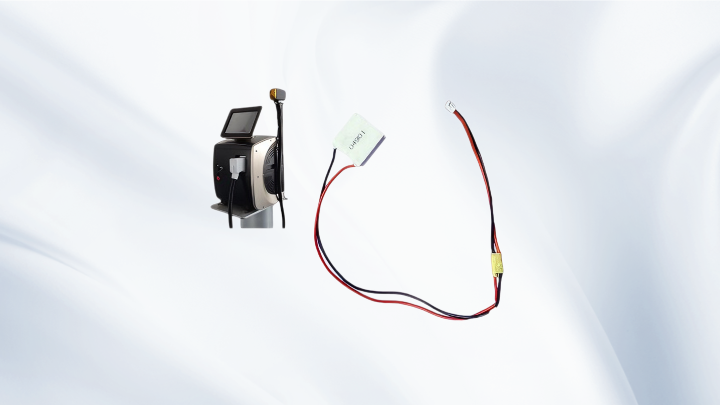
High thermal conductivity ceramic cooling sheets are widely used across multiple industries. In consumer electronics, they are essential for smartphones, laptops, and gaming consoles, where space is limited and heat management is critical. In automotive systems, they help cool power electronics in electric vehicles, enhancing battery life and safety. Industrial applications include LED lighting, where they prevent overheating and extend lifespan, and telecommunications equipment, ensuring reliable signal transmission. Their ability to handle high temperatures makes them ideal for aerospace and military uses as well.
How to Choose the Right Ceramic Cooling Sheet
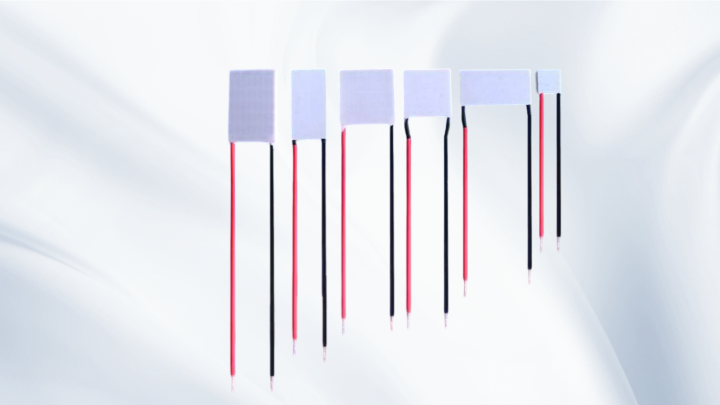
Selecting the appropriate sheet involves considering several factors. First, assess the thermal conductivity rating—higher values (e.g., 200 W/mK or more) are better for high-power devices. Thickness and flexibility matter too; thinner sheets are easier to install in compact spaces, while rigid ones may offer better structural support. Check the material composition; aluminum nitride is popular for its balance of performance and cost, whereas beryllium oxide is used in specialized, high-end applications due to its superior conductivity but higher price. Always verify compatibility with your device's operating temperature and environmental conditions.
Installation and Maintenance Tips
Proper installation is key to maximizing the benefits of ceramic cooling sheets. Start by cleaning the surface of the component to remove dust and debris, ensuring good thermal contact. Apply a thin layer of thermal paste or adhesive if needed, but avoid over-application, which can hinder heat transfer. Position the sheet evenly over the heat source, pressing gently to eliminate air gaps. For maintenance, regularly inspect for signs of wear or damage, such as cracks or discoloration, and replace if necessary to maintain optimal cooling performance. Store sheets in a dry, cool place to prevent degradation.
Common Questions
How do high thermal conductivity ceramic cooling sheets compare to metal heat sinks?
Ceramic sheets often outperform metal heat sinks in terms of thermal conductivity per weight and electrical insulation. While metals like copper have high conductivity, they can be heavier and pose electrical risks. Ceramics provide a lightweight, safe alternative with comparable or better heat dissipation in many scenarios.
Are these sheets environmentally friendly?
Yes, most ceramic materials used in cooling sheets, such as aluminum nitride, are non-toxic and recyclable. They contribute to energy efficiency by reducing the need for active cooling systems, which can lower overall carbon footprints in electronic devices.
Can I use ceramic cooling sheets for overclocking my computer?
Absolutely. High thermal conductivity ceramic sheets are excellent for overclocking, as they help dissipate the extra heat generated by increased processor speeds. Ensure you choose a sheet with sufficient conductivity and proper installation to prevent thermal issues during intense usage.
What is the typical lifespan of a ceramic cooling sheet?
With proper use and maintenance, ceramic cooling sheets can last for many years, often outlasting the devices they cool. Their resistance to corrosion and thermal cycling makes them durable, but regular checks are recommended to ensure ongoing effectiveness.
Related Posts