




The Ultimate Guide to High-Quality Peltier Refrigerators: Efficiency, Applications, and Maintenance
Understanding Peltier Refrigerators
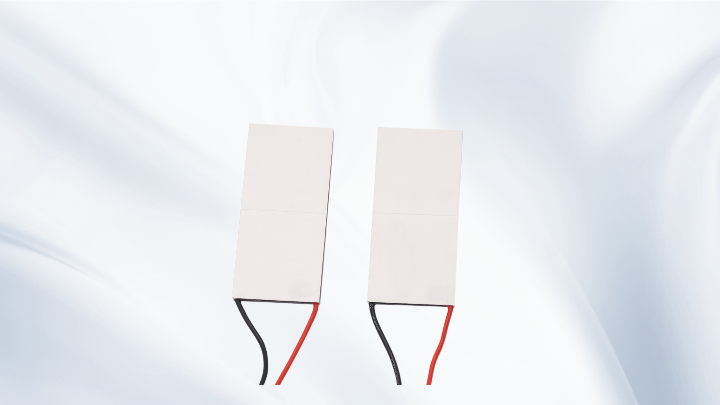
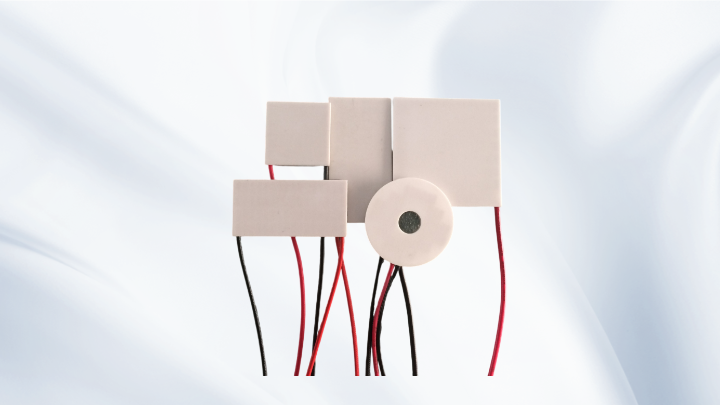
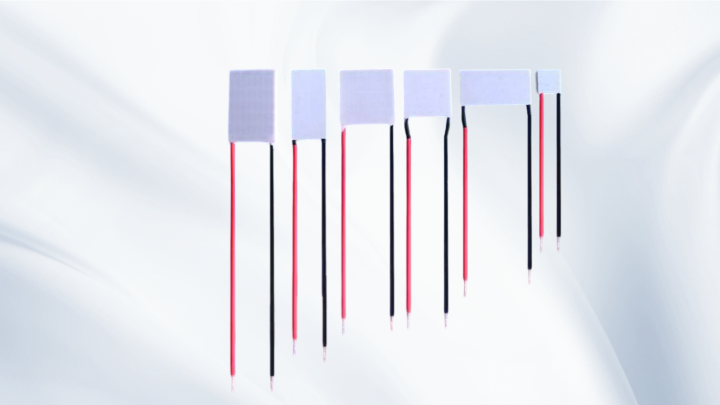
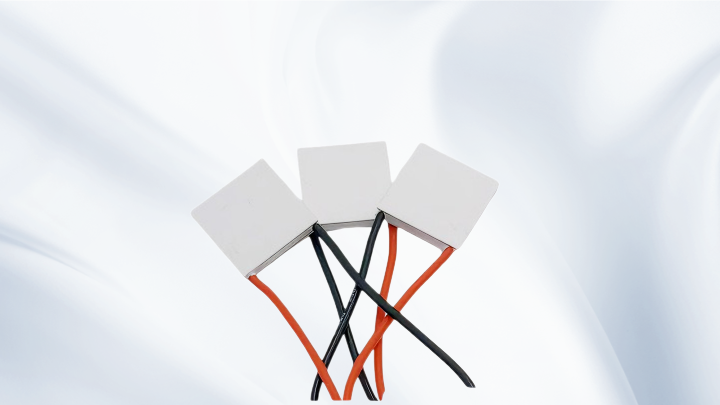
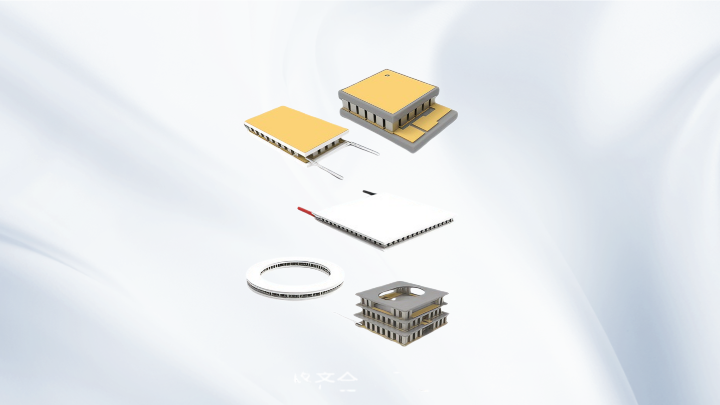
High-quality Peltier refrigerators, also known as thermoelectric coolers, utilize the Peltier effect to transfer heat from one side of a device to the other, creating a cooling effect without moving parts. Unlike traditional compressor-based refrigerators, they rely on semiconductor materials that generate a temperature difference when an electric current passes through. This technology has evolved significantly, with modern units offering improved efficiency and durability for applications ranging from small-scale cooling to specialized industrial uses. The absence of refrigerants like Freon makes them environmentally friendly, reducing the risk of leaks and ozone depletion.
Key Advantages of High-Quality Models
Investing in a high-quality Peltier refrigerator brings several benefits. First, they operate silently since there are no compressors or fans in many designs, making them ideal for noise-sensitive environments such as bedrooms or offices. Second, their compact size and lightweight construction allow for easy portability, perfect for camping, road trips, or small spaces. Third, they have fewer mechanical parts, which translates to lower maintenance costs and increased reliability over time. High-quality models often feature enhanced insulation and precise temperature control, ensuring consistent cooling performance even in varying ambient conditions. Additionally, they are vibration-free, protecting sensitive contents like laboratory samples or electronic components from damage.
Applications and Use Cases
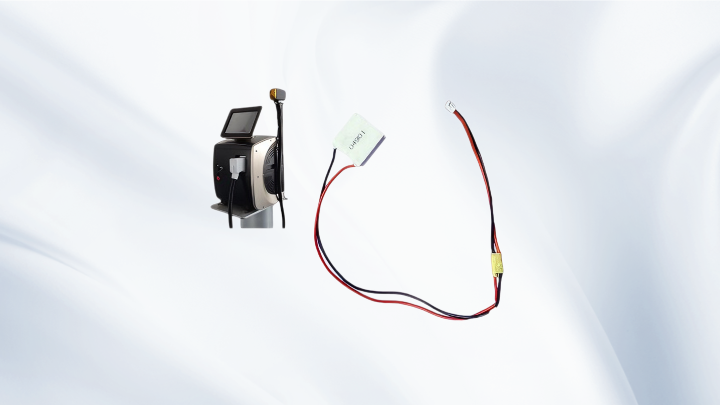
High-quality Peltier refrigerators are versatile tools across multiple domains. In consumer electronics, they cool computer CPUs or gaming consoles to prevent overheating. In the medical field, they preserve vaccines, medications, and biological samples in portable units during transport. For outdoor enthusiasts, they serve as efficient coolers for food and beverages, often powered by DC sources like car batteries. Industrial applications include cooling laser diodes, infrared detectors, and other precision instruments. Their ability to provide spot cooling makes them valuable in scenarios where traditional refrigeration is impractical or too bulky. When selecting a model, consider factors such as cooling capacity, power consumption, and temperature range to match your specific needs.
Maintenance and Optimization Tips
To maximize the lifespan and efficiency of a high-quality Peltier refrigerator, follow these practical guidelines. Keep the unit clean by regularly wiping the interior and exterior with a damp cloth to prevent dust buildup, which can insulate heat and reduce performance. Ensure proper ventilation around the device, as overheating the hot side can diminish cooling efficiency—avoid placing it in enclosed spaces or direct sunlight. Use it within the specified temperature and humidity ranges; extreme conditions may strain the thermoelectric modules. For battery-powered models, monitor charge levels to prevent deep discharge, which can damage the power system. Periodically check for any signs of wear, such as cracks in the housing or loose connections, and consult the manufacturer's manual for troubleshooting. Investing in a model with energy-efficient features, like automatic shut-off or low-power modes, can further enhance sustainability and cost-effectiveness.
Common Questions
How does a Peltier refrigerator compare to a compressor-based one in terms of cooling efficiency?
Peltier refrigerators are generally less efficient for large-scale cooling, as they have a lower coefficient of performance (COP) compared to compressors. However, high-quality models excel in small-scale applications due to their precision, silence, and reliability, making them suitable for specific uses rather than general household refrigeration.
Can a Peltier refrigerator freeze items effectively?
Yes, many high-quality Peltier refrigerators can achieve freezing temperatures, but they typically have a limited cooling capacity. They are best for maintaining low temperatures rather than rapidly freezing large quantities. Check the product specifications for the minimum temperature and cooling power to ensure it meets your freezing needs.
What are the common issues with Peltier refrigerators, and how can they be resolved?
Common issues include reduced cooling due to dust accumulation, overheating from poor ventilation, or power supply problems. Regular cleaning, ensuring adequate airflow, and using a stable power source can prevent most problems. If performance declines significantly, inspect the thermoelectric modules for damage and consider professional repair or replacement.
Related Posts