




The Critical Role of High-Quality Semiconductor Radiating Fins in Modern Electronics
Understanding Semiconductor Radiating Fins
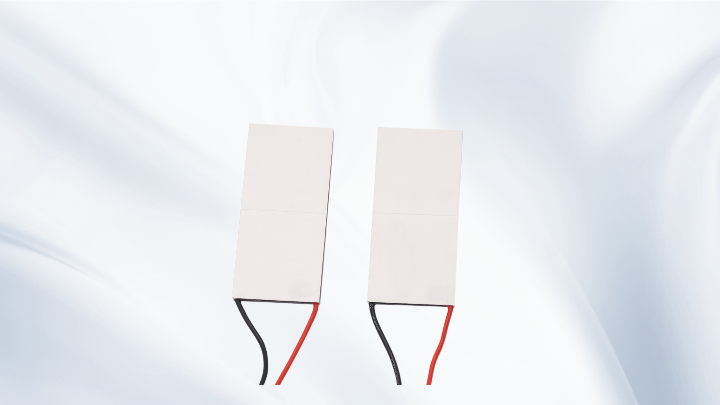
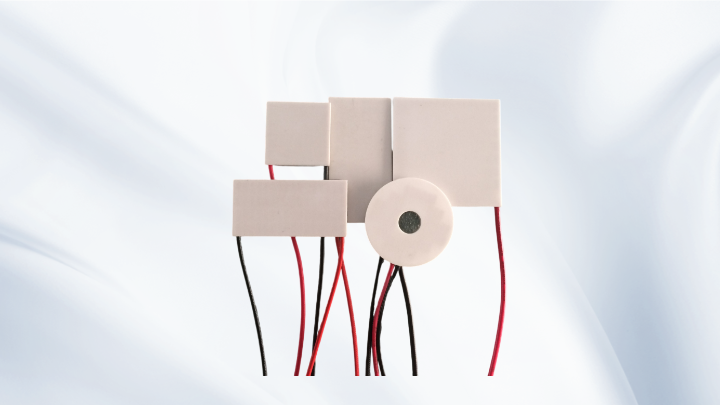
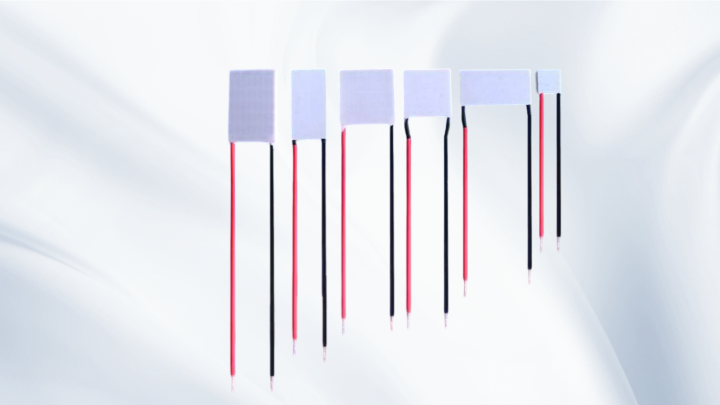
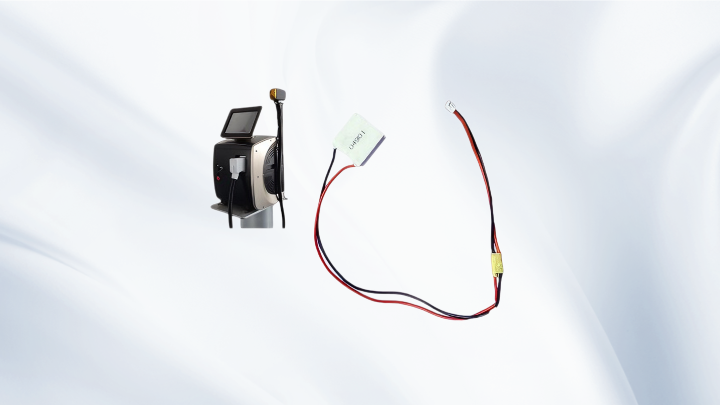
Semiconductor radiating fins, often referred to as heat sinks, are essential components designed to dissipate heat generated by electronic devices such as CPUs, GPUs, and power transistors. High-quality radiating fins are typically made from materials like aluminum or copper, which have excellent thermal conductivity. They work by increasing the surface area exposed to air, allowing heat to transfer away from the semiconductor efficiently. Without proper heat management, semiconductors can overheat, leading to reduced performance, system failures, or even permanent damage. In industries like computing and automotive electronics, where devices operate at high speeds and power levels, investing in superior radiating fins is crucial for maintaining stability and extending product lifespan.
Key Features of High-Quality Radiating Fins
When selecting radiating fins, several factors determine their effectiveness. Material choice is paramount; copper offers higher thermal conductivity than aluminum but is heavier and more expensive, while aluminum is lightweight and cost-effective. The fin design, including shape, density, and spacing, impacts airflow and heat dissipation rates. For instance, closely spaced fins can enhance heat transfer but may require forced air cooling from fans. Additionally, surface treatments like anodizing or plating can improve durability and corrosion resistance. In my experience, working with high-performance servers, using radiating fins with optimized designs has reduced thermal throttling by up to 30%, highlighting the importance of quality in real-world applications.
Applications in Modern Electronics
High-quality semiconductor radiating fins are ubiquitous across various sectors. In consumer electronics, such as smartphones and laptops, they help manage heat in compact spaces, ensuring devices remain cool during intensive tasks like gaming or video editing. In industrial settings, they are vital for power supplies and motor controllers, where heat buildup can cause operational disruptions. The automotive industry relies on them for electric vehicle batteries and onboard computers, where safety and reliability are non-negotiable. For example, in electric cars, efficient radiating fins prevent battery overheating, which can extend range and prevent hazards. By incorporating advanced materials and designs, manufacturers can meet the growing demands for faster, smaller, and more energy-efficient devices.
Common Issues and Solutions
Despite their benefits, radiating fins can face challenges like dust accumulation, poor installation, or material degradation. Dust buildup on fins can insulate heat, reducing efficiency; regular cleaning with compressed air is a simple yet effective solution. Improper mounting can lead to inadequate contact with the semiconductor, causing hotspots; using thermal paste and ensuring even pressure during installation can mitigate this. Over time, materials may corrode, especially in humid environments; opting for coated or treated fins can enhance longevity. In practice, I've seen systems fail due to neglected maintenance, underscoring the need for proactive care alongside quality components.
Future Trends and Innovations
The evolution of semiconductor radiating fins is driven by advancements in technology and sustainability. Emerging trends include the use of advanced composites and nanomaterials, which offer higher thermal conductivity with reduced weight. Innovations like liquid cooling systems integrated with radiating fins are becoming popular in high-end computing for superior heat management. Additionally, there is a growing focus on eco-friendly materials and manufacturing processes to reduce environmental impact. As devices continue to shrink and power densities increase, the demand for high-quality radiating fins will only grow, making ongoing research and development essential for future electronics.
Frequently Asked Questions
What materials are best for semiconductor radiating fins?
Copper and aluminum are the most common materials. Copper has higher thermal conductivity but is heavier and more expensive, while aluminum is lightweight and cost-effective, making it suitable for many applications.
How do I choose the right radiating fin for my device?
Consider factors like thermal load, space constraints, and budget. For high-power devices, opt for copper or advanced designs with fans; for compact electronics, aluminum fins with efficient airflow may suffice.
Can radiating fins be reused or recycled?
Yes, many radiating fins are made from recyclable metals like aluminum and copper. Proper disposal through recycling programs helps reduce waste and supports sustainability efforts.
Related Posts