




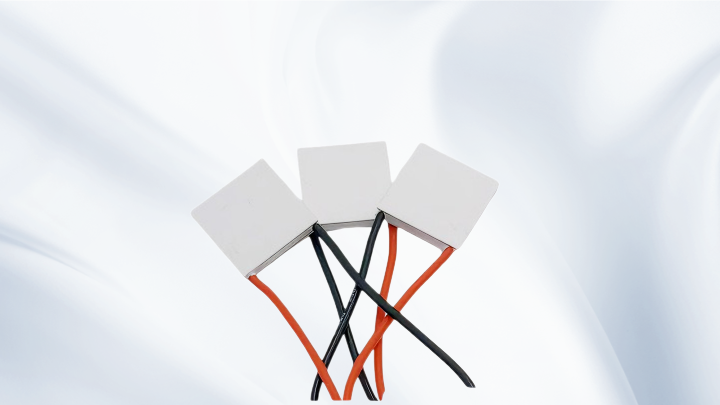
High-Quality Semiconductor Radiation Fins: Enhancing Thermal Management for Advanced Electronics
Introduction to Semiconductor Radiation Fins
Semiconductor radiation fins, often referred to as heat sinks or cooling fins, are essential components in electronic systems designed to manage thermal energy. As devices like CPUs, GPUs, and power electronics become more powerful, they generate significant heat that can degrade performance or cause failure. High-quality fins are crafted from materials such as aluminum or copper and feature optimized designs to maximize surface area for heat dissipation. By efficiently transferring heat away from sensitive semiconductor components, these fins help maintain optimal operating temperatures, which is crucial for both consumer electronics and industrial applications. Without effective thermal management, even the most advanced semiconductors can suffer from reduced efficiency, shorter lifespans, or catastrophic damage, highlighting the vital role of radiation fins in modern engineering.
Key Features of High-Quality Radiation Fins
When selecting or designing high-quality semiconductor radiation fins, several factors come into play to ensure superior performance. Material selection is paramount; for instance, copper offers excellent thermal conductivity but is heavier and more expensive, while aluminum provides a good balance of weight, cost, and effectiveness. The fin geometry, including aspects like fin density, height, and spacing, directly impacts airflow and heat transfer rates. Advanced manufacturing techniques, such as extrusion or forging, allow for precise shapes that enhance thermal efficiency. Additionally, surface treatments like anodizing can improve durability and corrosion resistance. In high-stakes environments, such as aerospace or medical devices, these fins must meet stringent standards for reliability and safety. By focusing on these features, engineers can develop fins that not only dissipate heat effectively but also integrate seamlessly into compact electronic designs, supporting the trend toward miniaturization and higher power densities.
Applications in Modern Technology
High-quality semiconductor radiation fins find applications across a wide range of industries, demonstrating their versatility and importance. In computing, they are integral to cooling processors in laptops, servers, and gaming consoles, where overclocking and intensive tasks generate substantial heat. The automotive sector relies on them for electric vehicle power electronics, helping to manage heat from batteries and inverters to ensure safety and efficiency. In telecommunications, radiation fins cool base stations and networking equipment, preventing downtime in critical infrastructure. Renewable energy systems, such as solar inverters and wind turbines, also benefit from robust thermal management to handle fluctuating loads. Moreover, in harsh environments like industrial automation or military hardware, these fins must withstand extreme temperatures and vibrations. By enabling reliable operation in diverse settings, high-quality radiation fins contribute to technological advancements and sustainability efforts, making them indispensable in today's interconnected world.
Design and Optimization Strategies
To achieve optimal thermal performance, engineers employ various design and optimization strategies for semiconductor radiation fins. Computational fluid dynamics (CFD) simulations are commonly used to model heat flow and airflow patterns, allowing for iterative improvements before physical prototyping. Fin arrangement plays a critical role; for example, staggered fins can enhance turbulence and heat transfer compared to inline configurations. Passive cooling designs rely on natural convection and radiation, making them ideal for low-power devices, while active cooling with fans or liquid systems is necessary for high-heat applications. Thermal interface materials (TIMs), such as thermal paste or pads, are used to fill gaps between the fin base and semiconductor, minimizing thermal resistance. In practice, balancing factors like cost, weight, and space constraints is essential. For instance, in consumer electronics, lightweight and compact fins are preferred, whereas in industrial settings, durability and high heat capacity take precedence. By leveraging these strategies, manufacturers can tailor radiation fins to specific needs, ensuring efficient and reliable thermal management across different use cases.
Common Questions
What are the main benefits of using high-quality semiconductor radiation fins?
High-quality radiation fins offer improved heat dissipation, which enhances device reliability, extends lifespan, and maintains performance under heavy loads. They also reduce the risk of thermal throttling or failure, making them essential for high-performance electronics.
How do I choose the right material for a radiation fin?
Consider factors like thermal conductivity, weight, cost, and application environment. Copper is best for maximum heat transfer but is heavier and more expensive, while aluminum is a cost-effective option with good performance for many uses.
Can radiation fins be used in all electronic devices?
While beneficial, they are most critical in devices that generate significant heat, such as processors, power supplies, and automotive electronics. Low-power devices may not require them, but they can still improve longevity in some cases.
What are common challenges in designing radiation fins?
Key challenges include balancing thermal efficiency with size and weight constraints, ensuring proper airflow in enclosed spaces, and selecting materials that withstand environmental factors like humidity or vibration.
Related Posts