




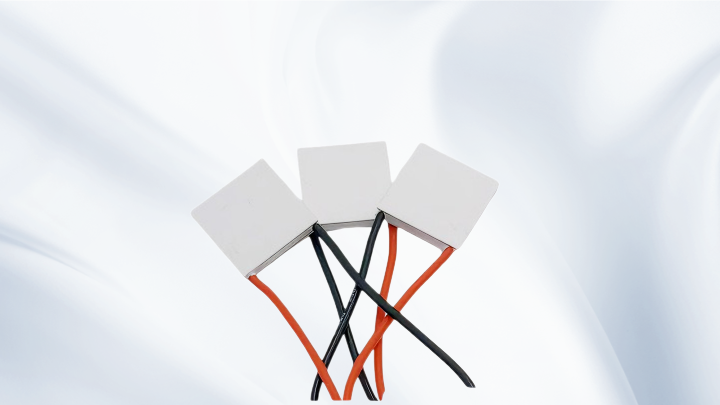
Unlocking Peak Performance: The Essential Guide to High-Quality Semiconductor Radiators
Understanding the Role of Semiconductor Radiators
Semiconductor radiators, often referred to as heat sinks or coolers, are essential components in electronic devices that help manage thermal energy generated by semiconductors such as processors and power transistors. Without effective heat dissipation, these components can overheat, leading to reduced performance, system crashes, or even permanent damage. High-quality semiconductor radiators are designed to efficiently transfer heat away from the semiconductor surface, using materials like aluminum or copper, and often incorporate fans or liquid cooling systems for enhanced cooling. In modern applications, from consumer electronics to industrial machinery, the demand for reliable thermal management has grown, making these radiators a cornerstone of electronic design.
Key Features of High-Quality Radiators
When selecting a high-quality semiconductor radiator, several features stand out. First, material composition is crucial: copper offers superior thermal conductivity but is heavier and more expensive, while aluminum is lightweight and cost-effective. Advanced designs include fin structures that maximize surface area for better heat dissipation, and some models use vapor chambers or heat pipes for more efficient heat transfer. Additionally, compatibility with the semiconductor's thermal design power (TDP) is vital to ensure the radiator can handle the heat output. For instance, in gaming PCs or servers, radiators with larger fins and powerful fans are often necessary to maintain stable temperatures under heavy loads.
Benefits of Investing in Quality
Investing in high-quality semiconductor radiators brings numerous advantages. Improved performance is a primary benefit, as effective cooling allows semiconductors to operate at higher speeds without throttling, enhancing overall system efficiency. This is particularly important in applications like data centers, where downtime can be costly. Moreover, quality radiators contribute to longer component lifespans by reducing thermal stress, which can prevent failures and extend the usable life of devices. From an environmental perspective, efficient cooling can lower energy consumption, as systems run cooler and require less power for cooling fans. In my experience, upgrading to a premium radiator in a home computer setup not only boosted gaming performance but also reduced noise levels, making for a more pleasant user experience.
Practical Tips for Selection and Installation
Choosing the right high-quality semiconductor radiator involves considering several factors. Start by assessing the thermal requirements of your semiconductor, such as its TDP rating, to match it with a radiator that can dissipate that heat effectively. Check compatibility with your device's form factor and mounting mechanisms to avoid installation issues. For DIY enthusiasts, proper installation is key: ensure good thermal paste application between the semiconductor and radiator to minimize thermal resistance, and secure the radiator firmly to prevent vibrations. In industrial settings, regular maintenance, like cleaning dust from fins, can prevent clogging and maintain cooling efficiency. Common pitfalls to avoid include overlooking airflow in the case or choosing a radiator that is too small for the heat load, which can lead to overheating problems.
Common Questions
What is the difference between air and liquid cooling radiators for semiconductors?Air cooling radiators use fans to blow air over fins, making them simple and cost-effective, while liquid cooling radiators circulate coolant through tubes and a radiator, offering superior heat dissipation for high-performance systems but at a higher cost and complexity.
How often should I replace the thermal paste on a semiconductor radiator?It is generally recommended to replace thermal paste every 1-2 years, or if you notice temperature increases, as it can dry out and lose effectiveness over time, impacting heat transfer.
Can a high-quality radiator improve energy efficiency in electronic devices?Yes, by maintaining lower operating temperatures, a high-quality radiator reduces the need for components to work harder, which can lower power consumption and improve overall energy efficiency, especially in always-on systems like servers.
Related Posts