






High-Quality Semiconductor Refrigerant Chips: Revolutionizing Cooling Technology for a Sustainable Future
What Are High-Quality Semiconductor Refrigerant Chips?
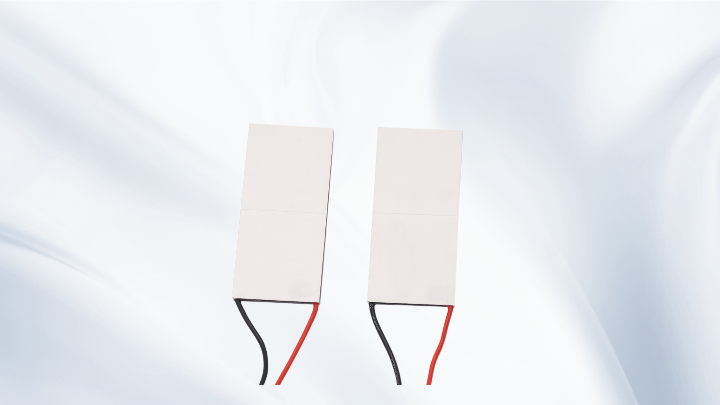
High-quality semiconductor refrigerant chips are specialized electronic components designed for efficient cooling through thermoelectric or refrigerant-based mechanisms. Unlike traditional cooling systems that rely on bulky compressors or fans, these chips use semiconductor materials to directly convert electrical energy into a cooling effect, often integrated with refrigerants for enhanced performance. They are characterized by superior thermal conductivity, low power consumption, and long operational lifespans, making them ideal for applications where precision and reliability are paramount. By minimizing energy waste and reducing environmental impact, they represent a significant leap forward in cooling technology.
Key Features and Benefits
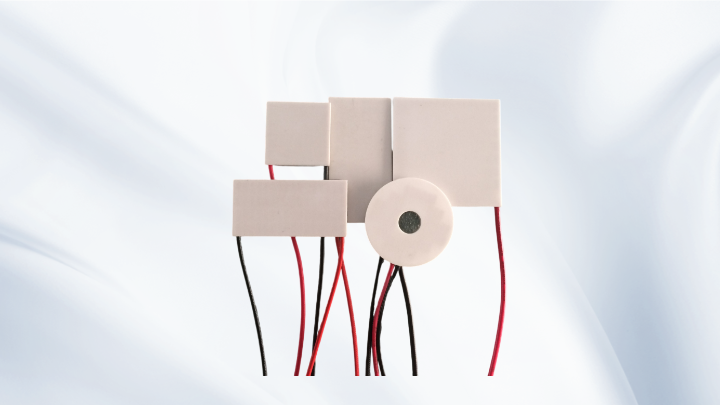
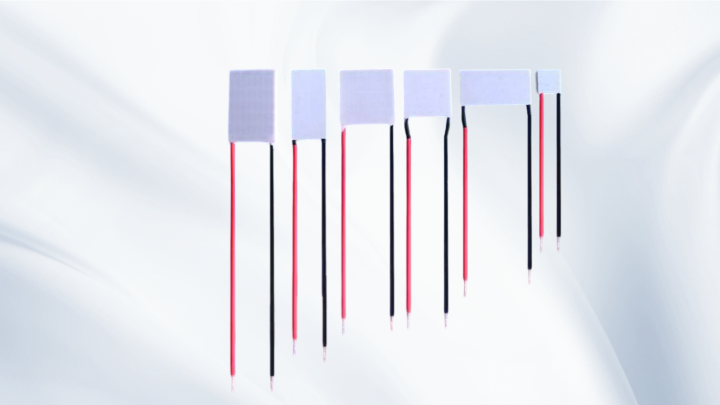
The advantages of high-quality semiconductor refrigerant chips stem from their innovative design and material science. First, they offer exceptional energy efficiency, often achieving cooling coefficients of performance (COP) that surpass conventional methods, which translates to lower electricity bills and reduced carbon footprints. Second, their compact size and scalability allow for seamless integration into various devices, from small wearables to large industrial machinery, without compromising on cooling capacity. Third, these chips provide precise temperature control, enabling stable thermal management that protects sensitive electronic components from overheating and extends their durability. Additionally, they operate with minimal noise and vibration, enhancing user comfort in consumer applications like laptops and refrigerators.
Applications Across Industries
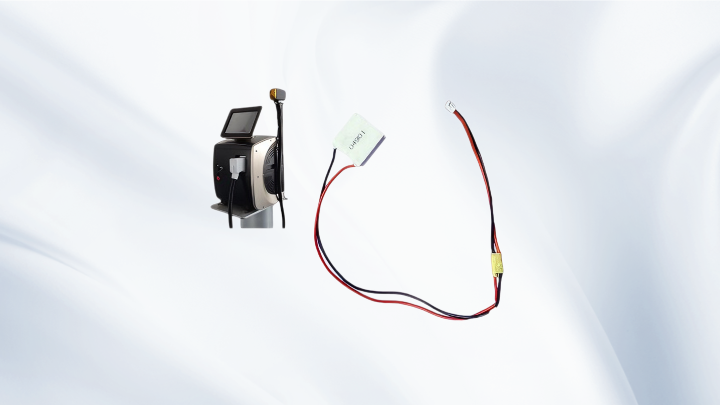
High-quality semiconductor refrigerant chips are versatile tools that find use in diverse sectors. In the electronics industry, they are crucial for cooling high-performance processors in servers, gaming consoles, and smartphones, preventing thermal throttling and ensuring optimal performance. In medical devices, such as portable coolers for vaccines or diagnostic equipment, they maintain strict temperature ranges critical for safety and efficacy. The automotive sector leverages them in electric vehicle battery management systems to regulate heat and improve battery life. Moreover, in renewable energy systems, like solar panels or wind turbines, these chips help dissipate excess heat, boosting overall efficiency and reliability. Their adaptability makes them a cornerstone of modern technological advancement.
Challenges and Future Trends
Despite their benefits, high-quality semiconductor refrigerant chips face challenges such as high initial costs due to advanced manufacturing processes and the need for rare materials. However, ongoing research in nanotechnology and sustainable refrigerants is driving down expenses and improving accessibility. Future trends point toward integration with IoT and AI for smart cooling systems that autonomously adjust to environmental conditions, further enhancing energy savings. As global demand for eco-friendly solutions grows, these chips are poised to play a pivotal role in reducing greenhouse gas emissions and supporting circular economy models through recyclable designs.
Common Questions
How do high-quality semiconductor refrigerant chips differ from traditional cooling methods?
They use semiconductor materials for direct cooling, offering higher efficiency, smaller size, and better precision compared to bulky compressors or fans, which often waste more energy and require more maintenance.
What are the main factors to consider when selecting a semiconductor refrigerant chip?
Key factors include thermal performance (e.g., cooling capacity and COP), power requirements, compatibility with existing systems, cost-effectiveness, and environmental impact, such as the use of non-toxic refrigerants.
Can these chips be used in extreme temperatures or harsh environments?
Yes, many high-quality models are designed with robust materials and protective coatings to withstand a wide temperature range and resist corrosion, making them suitable for industrial or outdoor applications.
Are semiconductor refrigerant chips environmentally friendly?
Generally, they are more eco-friendly than traditional options due to lower energy consumption and the potential use of sustainable refrigerants, but it's important to check for certifications like RoHS or Energy Star to ensure compliance with environmental standards.
Related Posts