




Unlocking Efficiency and Precision: The Power of High-Quality Semiconductor Refrigeration Coolers
Understanding Semiconductor Refrigeration Coolers
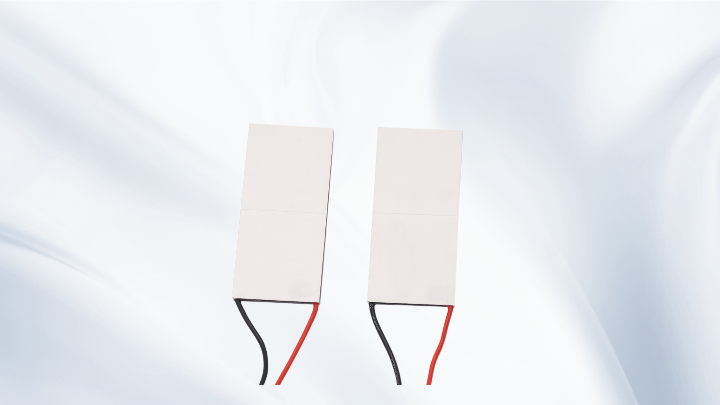
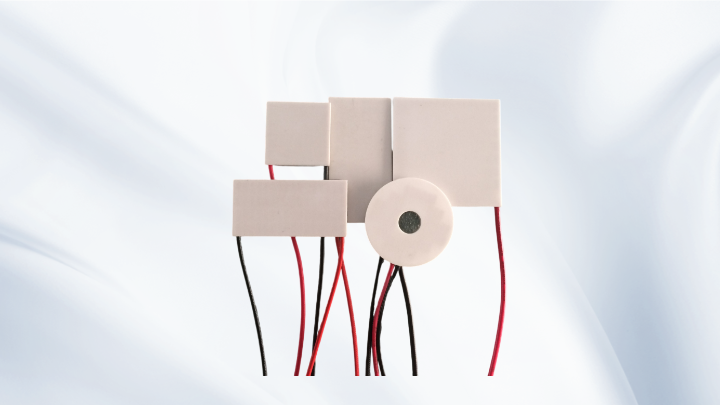
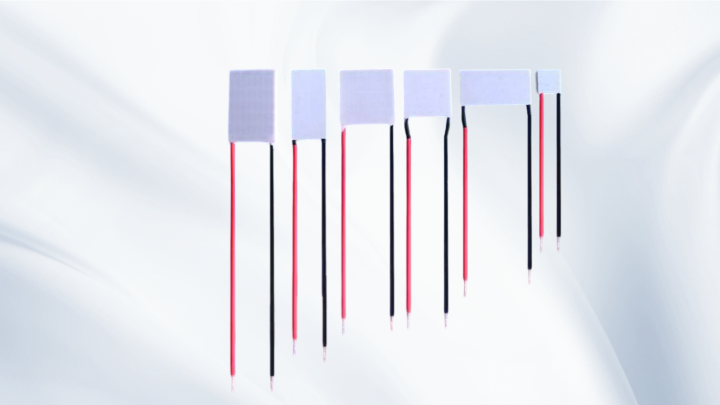
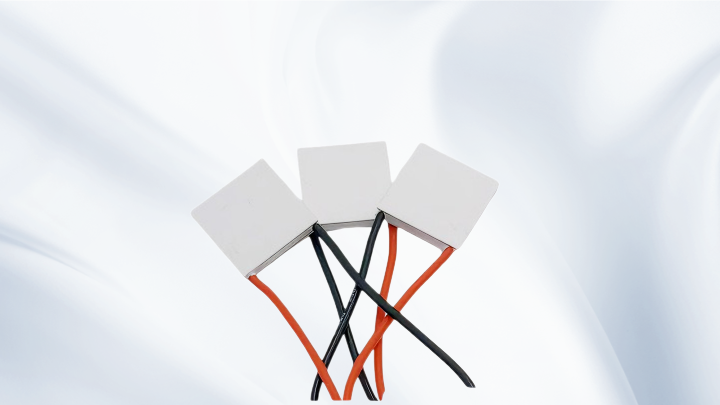
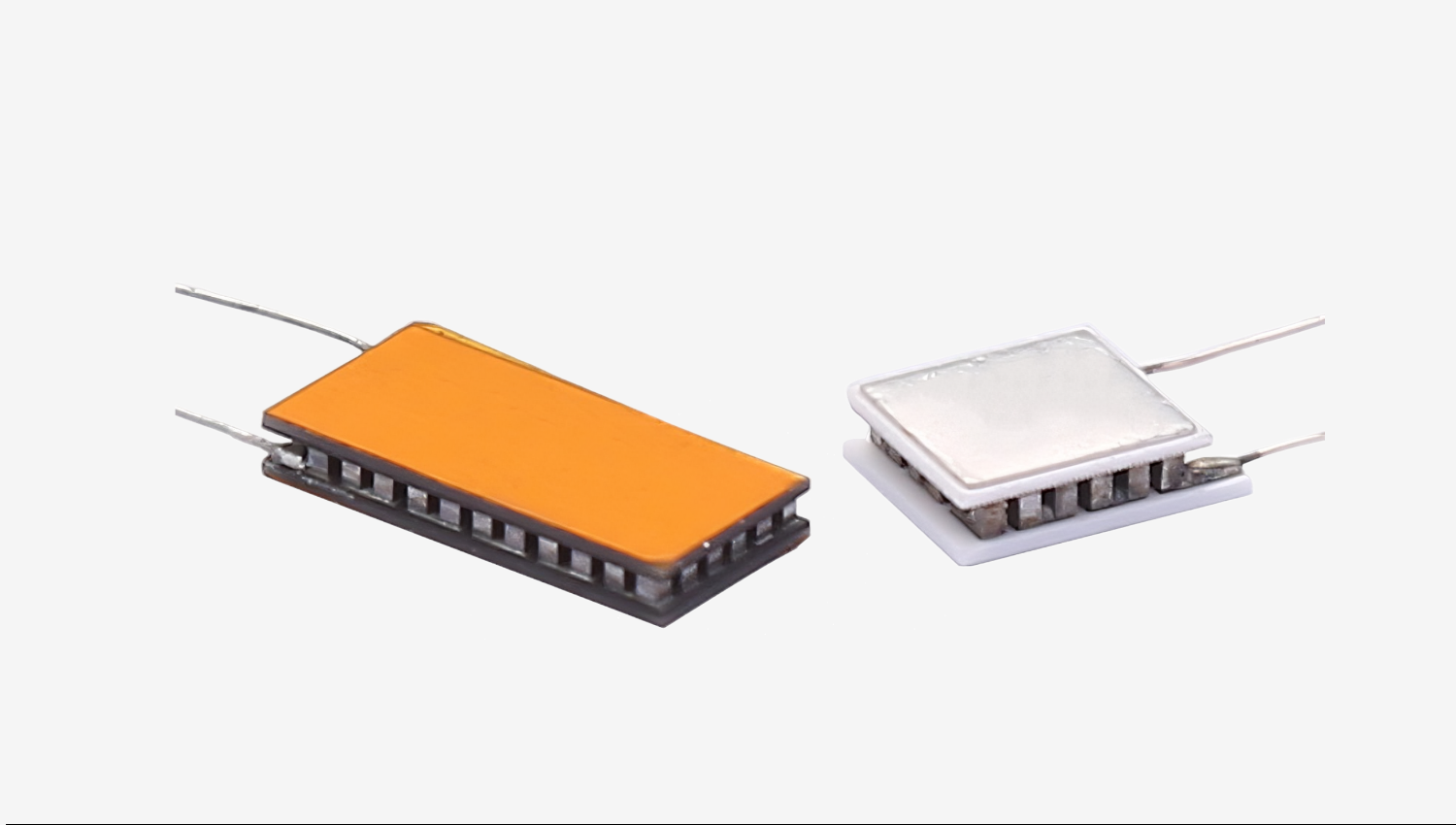
Semiconductor refrigeration coolers, or thermoelectric coolers (TECs), are solid-state devices that use electrical current to transfer heat from one side to another, based on the Peltier effect. Unlike traditional compressor-based systems, they have no moving parts, which reduces maintenance and increases reliability. High-quality models are engineered with advanced materials like bismuth telluride to enhance efficiency and durability. These coolers are compact, lightweight, and capable of precise temperature control, making them suitable for environments where space and accuracy are critical.
Key Benefits of High-Quality Models
Investing in high-quality semiconductor refrigeration coolers offers numerous advantages. First, they provide excellent temperature stability, with fluctuations as low as ±0.1°C, essential for sensitive applications like laboratory instruments or optical devices. Second, their solid-state design ensures quiet operation and long lifespan, often exceeding 100,000 hours with minimal wear. Third, they are environmentally friendly, as they use no refrigerants that can harm the ozone layer. Additionally, high-quality coolers feature improved thermal management, reducing energy consumption by up to 30% compared to lower-grade alternatives, which translates to cost savings over time.
Applications Across Industries
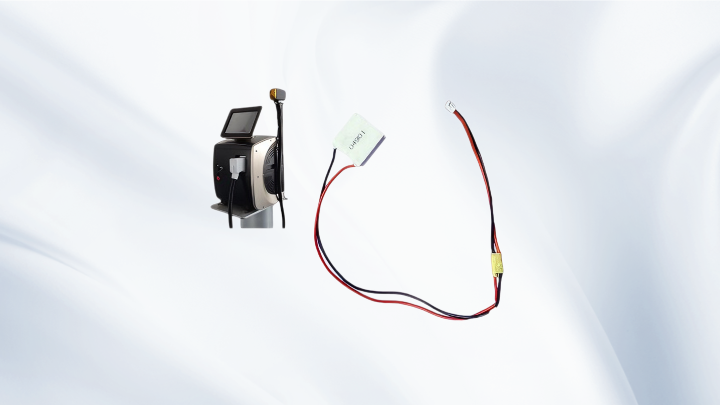
High-quality semiconductor refrigeration coolers are versatile tools used in diverse fields. In the electronics industry, they cool CPUs and GPUs in high-performance computers, preventing overheating and extending component life. In medical devices, they maintain precise temperatures for blood analyzers and imaging equipment, ensuring accurate results. They also play a role in aerospace, where they regulate temperatures in satellite systems, and in consumer products like portable refrigerators for camping. For example, a well-designed cooler can keep beverages cold for hours without noise, enhancing user experience.
Selecting the Right Cooler for Your Needs
Choosing a high-quality semiconductor refrigeration cooler requires careful consideration. Start by assessing the cooling capacity needed, measured in watts, based on the heat load of your application. Look for models with high coefficients of performance (COP) to ensure energy efficiency. Check for certifications like RoHS compliance to guarantee safety and environmental standards. It's also wise to read reviews and consult manufacturers for custom solutions, as some applications may require specific voltage or size configurations. In my experience, investing in a reputable brand often pays off through better support and warranty coverage.
Installation and Maintenance Tips
Proper installation is crucial for maximizing the performance of high-quality semiconductor refrigeration coolers. Ensure good thermal contact between the cooler and the heat source or sink using thermal paste or pads to minimize resistance. Avoid overloading the device by staying within its rated current and voltage limits. For maintenance, keep the unit clean from dust and debris, which can impede heat dissipation. Regularly inspect connections for corrosion, especially in humid environments. Most high-quality coolers require little upkeep, but periodic checks can prevent failures and extend service life.
Common Questions
How do semiconductor refrigeration coolers compare to traditional compressor coolers?
Semiconductor coolers are more compact, quieter, and offer precise temperature control, but they generally have lower cooling capacities and efficiency for large-scale applications. Compressor coolers are better for high heat loads but are bulkier and noisier.
What factors affect the lifespan of a high-quality semiconductor refrigeration cooler?
Key factors include operating temperature, current load, and environmental conditions. Using the cooler within its specified limits and ensuring proper heat dissipation can significantly extend its lifespan, often to over 10 years.
Can these coolers be used for heating as well?
Yes, by reversing the electrical current direction, semiconductor refrigeration coolers can switch between cooling and heating modes, making them versatile for temperature regulation in both directions.
Are there any safety concerns with using semiconductor refrigeration coolers?
Generally, they are safe as they use low voltages and have no flammable refrigerants. However, ensure proper insulation to prevent electrical shorts and avoid exposure to moisture that could cause damage.
Related Posts