




Unlocking Efficiency and Reliability: The Power of High-Quality Semiconductor Refrigeration Sheets
What Are Semiconductor Refrigeration Sheets?
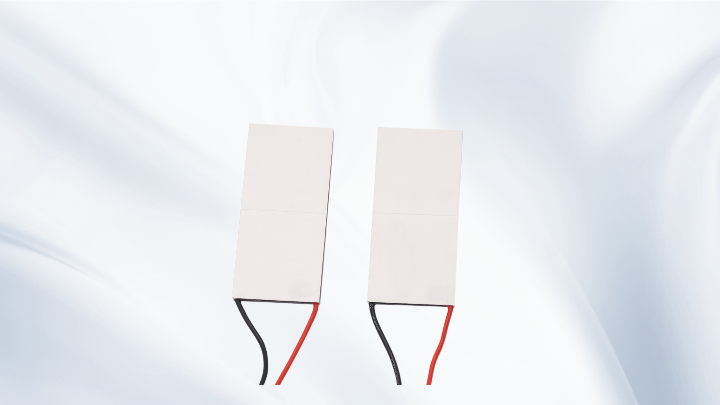
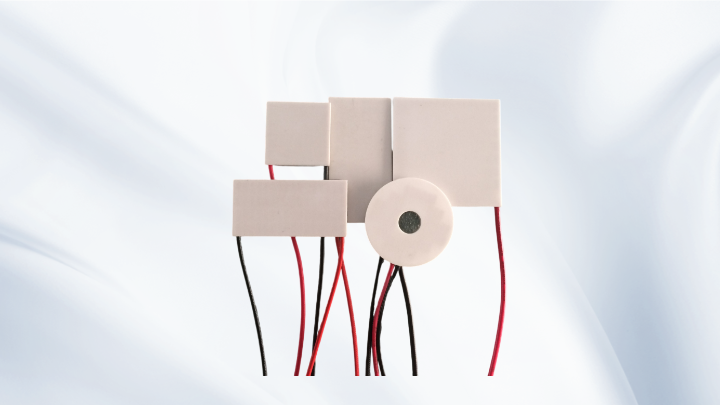
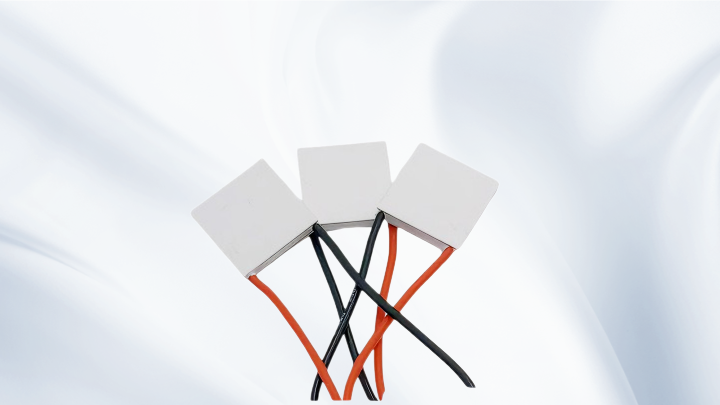
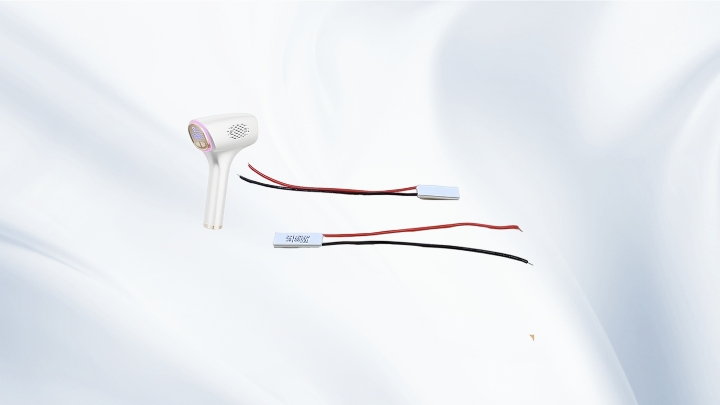
Semiconductor refrigeration sheets, or thermoelectric modules, are solid-state devices that use the Peltier effect to transfer heat from one side to another when an electric current is applied. Unlike traditional refrigeration systems that rely on compressors and refrigerants, these sheets consist of semiconductor materials, typically bismuth telluride, sandwiched between ceramic plates. This design allows for compact, noiseless operation and precise temperature control, making them ideal for applications where space and reliability are critical. High-quality versions are engineered with superior materials and manufacturing processes to ensure consistent performance and longevity, reducing the risk of failure in demanding environments.
Key Benefits of High-Quality Semiconductor Refrigeration Sheets
Investing in high-quality semiconductor refrigeration sheets offers numerous advantages. First, they provide exceptional energy efficiency, as they can be precisely controlled to match cooling needs, minimizing power waste. Second, their solid-state nature means no moving parts, which translates to lower maintenance costs and increased durability, often lasting over 100,000 hours of continuous use. Third, they enable rapid cooling and heating cycles, allowing for quick temperature adjustments in applications like medical sample storage or electronic testing. Additionally, high-quality sheets are designed to withstand thermal stress and environmental factors, ensuring reliable operation in harsh conditions, from industrial machinery to outdoor equipment.
Applications Across Industries
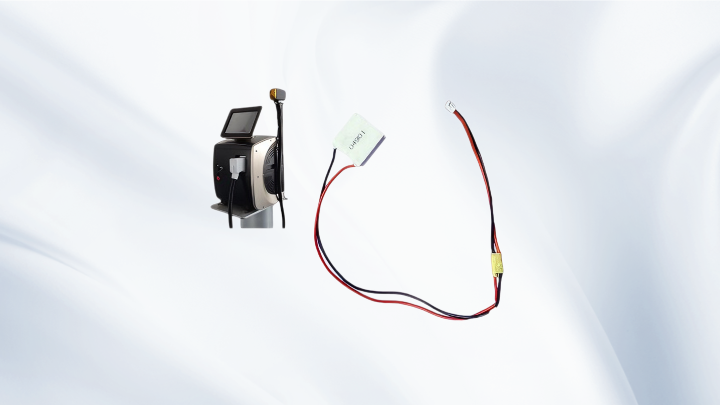
High-quality semiconductor refrigeration sheets are versatile and used in various sectors. In the electronics industry, they cool CPUs, GPUs, and laser diodes to prevent overheating and extend component life. In medical devices, they maintain precise temperatures for blood analyzers, PCR machines, and portable coolers for vaccines, ensuring accuracy and safety. Industrial applications include temperature stabilization in manufacturing processes and climate control in automotive systems. Consumer products, such as mini-fridges and wine coolers, also benefit from their quiet and efficient operation. By choosing high-quality sheets, users can enhance performance and reduce downtime across these diverse fields.
How to Select the Right Semiconductor Refrigeration Sheet
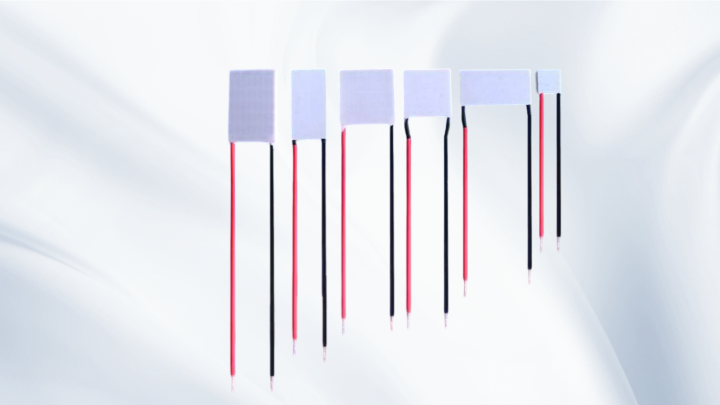
Selecting the appropriate high-quality semiconductor refrigeration sheet requires careful consideration. Key factors include cooling capacity, measured in watts, which should match the heat load of your application. Voltage and current ratings must align with your power supply to avoid inefficiency or damage. Size and form factor are crucial for fitting into compact spaces, while thermal resistance affects how well heat is dissipated. It's also important to check for certifications and warranties from reputable manufacturers, as these indicate adherence to quality standards. Consulting with experts or reviewing datasheets can help ensure you choose a sheet that meets your specific needs, whether for a small electronic device or a large industrial system.
Installation and Maintenance Tips
Proper installation and maintenance are vital for maximizing the lifespan of high-quality semiconductor refrigeration sheets. During installation, ensure a flat and clean surface for mounting to promote optimal thermal contact, using thermal paste or pads to reduce air gaps. Secure the sheet firmly but avoid overtightening screws, which can crack the ceramic plates. For maintenance, regularly inspect for dust buildup and clean with compressed air or a soft brush to prevent overheating. Monitor temperature performance and check electrical connections for signs of wear. By following these practices, you can prevent common issues like thermal runaway or premature failure, keeping your system running smoothly for years.
Common Questions
How long do high-quality semiconductor refrigeration sheets typically last?
With proper use and maintenance, high-quality semiconductor refrigeration sheets can last over 100,000 hours, equivalent to more than 10 years of continuous operation. Factors like operating temperature, load conditions, and environmental exposure can affect longevity, so it's essential to follow manufacturer guidelines.
Can semiconductor refrigeration sheets be used for heating as well as cooling?
Yes, by reversing the electric current, semiconductor refrigeration sheets can switch between cooling and heating modes. This bidirectional capability makes them versatile for applications requiring both temperature control functions, such as in thermal cycling devices or climate chambers.
What are the main differences between low-quality and high-quality semiconductor refrigeration sheets?
High-quality sheets use premium semiconductor materials, precise manufacturing, and rigorous testing to ensure consistent performance, higher efficiency, and better durability. Low-quality versions may have inferior components, leading to faster degradation, higher energy consumption, and unreliable operation, especially under stress.
How do I calculate the cooling capacity needed for my application?
To calculate cooling capacity, estimate the heat load in watts by considering factors like power dissipation of components, ambient temperature, and desired cooling rate. Add a safety margin of 10-20% to account for variations. Consulting with a supplier or using online calculators can provide more accurate recommendations based on your specific setup.
Related Posts