




Unlocking Precision and Efficiency: The Ultimate Guide to High-Quality TEC Devices
Introduction to High-Quality TEC Devices
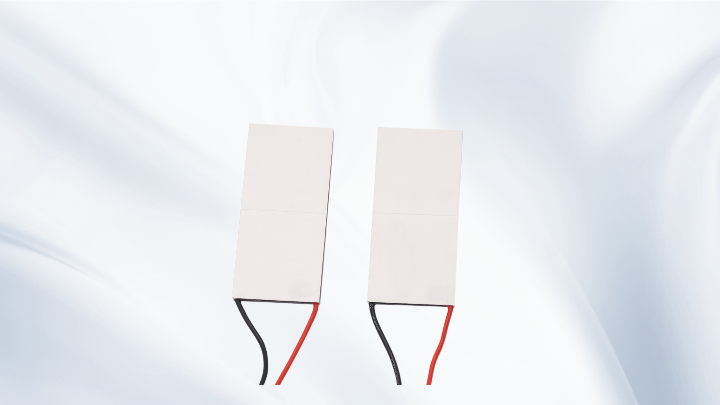
High-quality Thermoelectric Cooler (TEC) devices, also known as Peltier devices, are solid-state heat pumps that transfer heat from one side to another using electrical current. Unlike traditional cooling methods, they offer precise temperature control, compact size, and no moving parts, making them ideal for applications where reliability and accuracy are paramount. These devices are essential in fields like electronics cooling, medical equipment, and aerospace, where maintaining stable temperatures can prevent damage and ensure optimal performance. By understanding their working principles, you can better appreciate why investing in high-quality TEC devices is crucial for long-term success.
Key Features of High-Quality TEC Devices
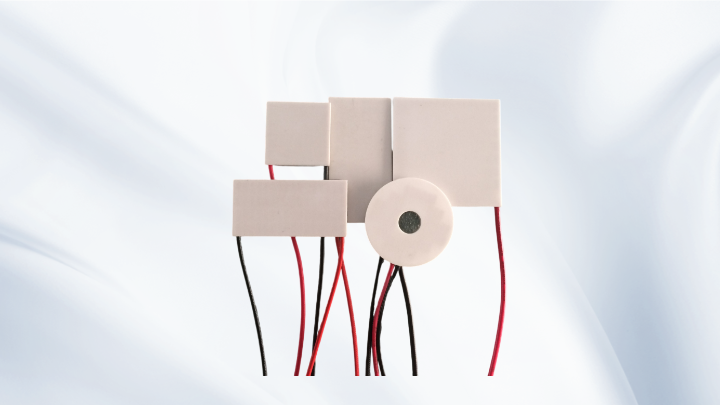
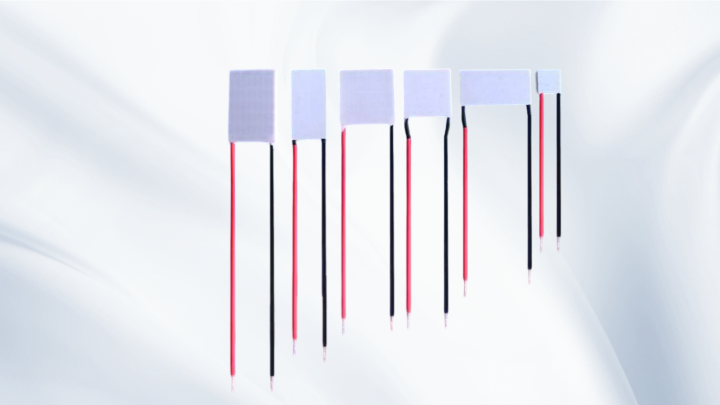
When selecting a TEC device, several features distinguish high-quality options from inferior ones. First, efficiency and coefficient of performance (COP) are critical; high-quality devices maximize cooling power while minimizing energy consumption, reducing operational costs. Second, durability and material quality matter—look for robust ceramic plates and reliable solder joints that withstand thermal cycling without failure. Third, precise temperature control is a hallmark; advanced models offer tight tolerances, often within ±0.1°C, ensuring consistent results in sensitive applications. Additionally, low noise and vibration levels enhance usability in environments like laboratories or consumer electronics. By prioritizing these features, you can avoid common pitfalls like overheating or short lifespans.
Benefits of Using High-Quality TEC Devices
Investing in high-quality TEC devices brings numerous advantages. They provide enhanced reliability and longevity, reducing downtime and maintenance costs in industrial settings. For example, in laser systems, precise cooling prevents thermal drift, improving accuracy and output quality. In medical devices like PCR machines, stable temperatures ensure accurate DNA amplification, directly impacting diagnostic outcomes. Moreover, their compact design allows for integration into space-constrained applications, such as portable coolers or automotive electronics. Environmentally, high-quality TEC devices often use lead-free materials and consume less power, aligning with sustainability goals. From a cost perspective, while initial investment may be higher, the long-term savings from reduced energy use and fewer replacements make them a wise choice.
Best Practices for Selecting and Using TEC Devices
To maximize the benefits of high-quality TEC devices, follow these practical tips. Start by assessing your specific application requirements, including temperature range, cooling capacity, and power supply constraints. Consult datasheets from reputable manufacturers to compare specifications like maximum heat load and operating voltage. When installing, ensure proper heat sinking on the hot side to dissipate heat effectively; inadequate heat management is a common cause of failure. Use thermal interface materials, such as thermal grease, to improve contact and efficiency. For optimal performance, consider integrating temperature sensors and controllers to automate adjustments based on real-time conditions. Regular maintenance, like cleaning dust from heat sinks, can extend device life. By adhering to these guidelines, you can avoid issues like thermal runaway or reduced efficiency.
Common Applications and Real-World Examples
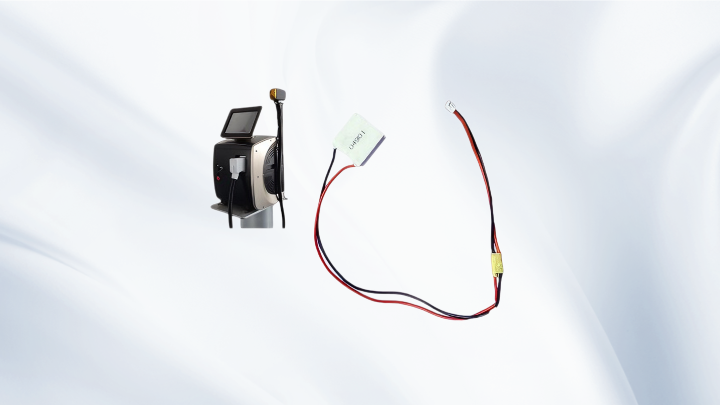
High-quality TEC devices are versatile and used in diverse sectors. In electronics, they cool CPUs and GPUs in high-performance computers, preventing throttling and extending component life. In the medical field, they maintain precise temperatures in incubators and blood analyzers, ensuring patient safety and accurate results. Aerospace applications include cooling infrared sensors in satellites, where reliability in extreme conditions is critical. Consumer products, like wine coolers or dehumidifiers, benefit from their quiet operation and energy efficiency. Case studies show that companies adopting high-quality TEC devices report improved product performance and reduced warranty claims, highlighting their practical value. Whether in research labs or industrial automation, these devices enable innovations that depend on stable thermal management.
Common Questions About High-Quality TEC Devices
What factors should I consider when choosing a high-quality TEC device?
Focus on cooling capacity, efficiency (COP), temperature stability, and build quality. Check manufacturer certifications and read reviews to ensure reliability for your specific use case.
How can I improve the lifespan of my TEC device?
Ensure proper heat dissipation with adequate heat sinks, avoid overloading the device beyond its rated capacity, and maintain a clean environment to prevent dust buildup that can impair cooling.
Are high-quality TEC devices suitable for high-temperature environments?
Yes, but select models rated for higher operating temperatures and use robust materials. Always consult the datasheet for temperature limits and consider additional cooling if needed.
What are the common pitfalls to avoid when using TEC devices?
Avoid insufficient heat sinking, using incorrect power supplies, and ignoring thermal cycling effects. Regular monitoring and preventive maintenance can mitigate these issues.
Related Posts