




The Ultimate Guide to High-Quality Thermoelectric Coolers: Efficiency, Applications, and Selection Tips
What Are High-Quality Thermoelectric Coolers?
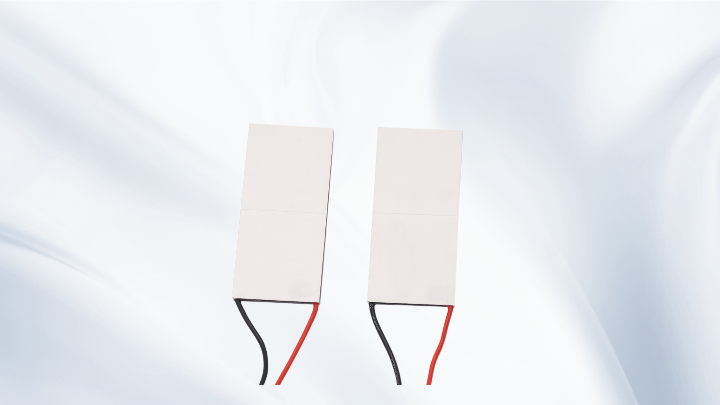
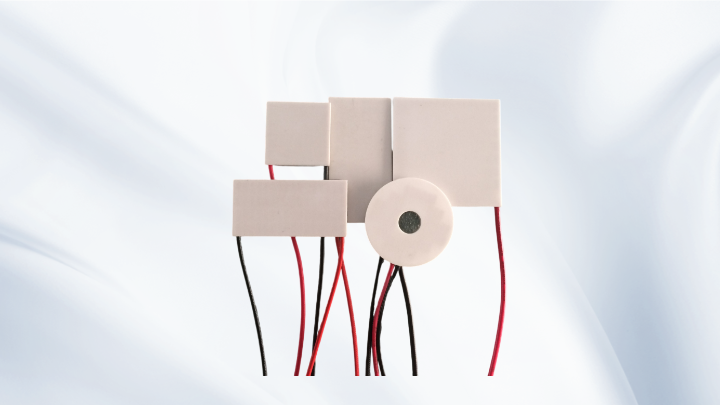
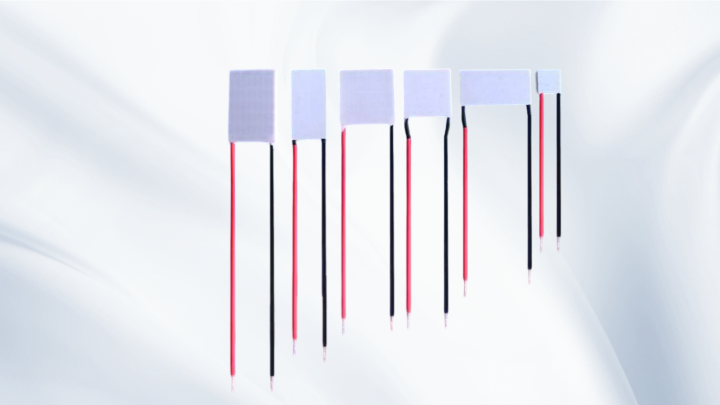
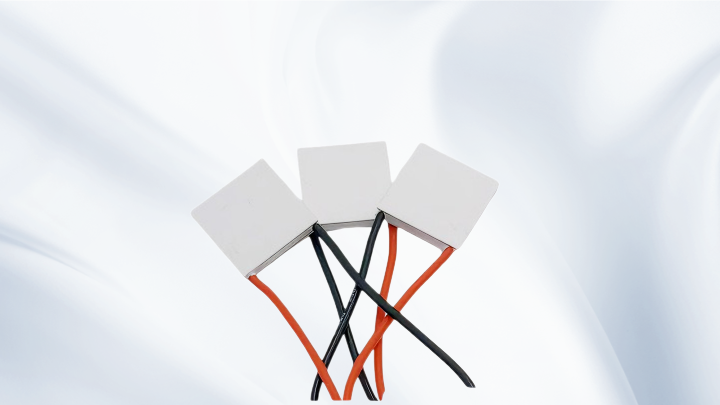
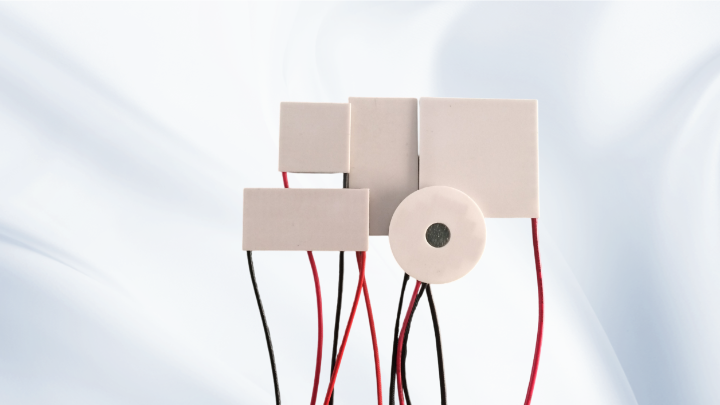
High-quality thermoelectric coolers, also known as Peltier coolers, are solid-state devices that use the Peltier effect to transfer heat from one side to another when an electric current is applied. Unlike traditional refrigeration systems, they have no moving parts, making them reliable, quiet, and maintenance-free. These coolers are essential in applications where precise temperature control is critical, such as in laboratory equipment, automotive systems, and consumer electronics. The quality of a TEC is determined by factors like material purity, thermal conductivity, and manufacturing precision, which directly impact its efficiency and lifespan.
How Do Thermoelectric Coolers Work?
The operation of a thermoelectric cooler is based on the Peltier effect, discovered by Jean Charles Athanase Peltier in 1834. When an electric current flows through a junction of two dissimilar conductors, heat is absorbed on one side and released on the other. In high-quality TECs, advanced semiconductor materials like bismuth telluride are used to enhance this effect, providing efficient cooling with minimal energy loss. This process allows for rapid temperature adjustments, making TECs ideal for scenarios where quick response times are necessary, such as in cooling laser diodes or stabilizing sensitive sensors.
Key Benefits of High-Quality Thermoelectric Coolers
Investing in high-quality thermoelectric coolers offers numerous advantages. First, their solid-state design eliminates the need for refrigerants or compressors, reducing environmental impact and operational noise. They are also highly compact and lightweight, enabling integration into space-constrained devices like portable coolers or medical imaging machines. Additionally, these coolers provide precise temperature control, often within ±0.1°C, which is crucial for applications in pharmaceuticals or food storage. From my experience, using a high-quality TEC in a project can significantly improve reliability and reduce long-term costs due to lower maintenance requirements.
Applications Across Industries
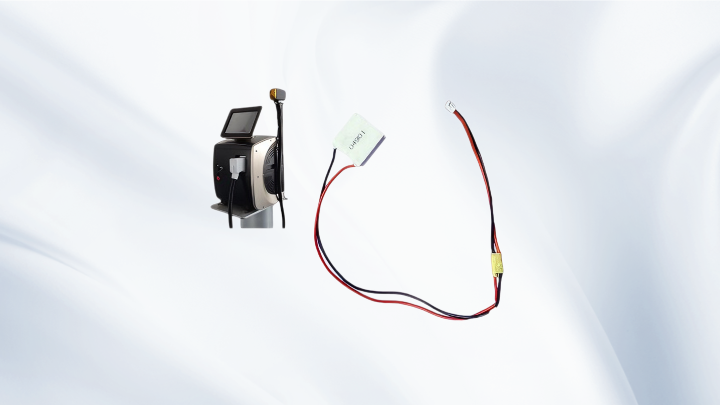
High-quality thermoelectric coolers are versatile tools used in various fields. In the electronics industry, they cool CPUs and GPUs in computers to prevent overheating and enhance performance. In medical devices, they maintain stable temperatures for blood analyzers and PCR machines, ensuring accurate test results. Automotive applications include cooling seats or electronic components in electric vehicles. Moreover, they are employed in aerospace for thermal management in satellites and in consumer products like wine coolers. Each application benefits from the durability and efficiency of well-made TECs, which can operate in harsh environments without degradation.
How to Select the Right Thermoelectric Cooler
Choosing a high-quality thermoelectric cooler requires careful consideration of several factors. Start by assessing the cooling capacity needed, measured in watts, based on the heat load of your application. Look for coolers with high coefficients of performance (COP) to ensure energy efficiency. Material quality is key; opt for TECs made from pure bismuth telluride or similar advanced compounds for better thermal conductivity. Check for certifications like ISO standards to guarantee manufacturing quality. I recommend consulting with suppliers to test samples in real-world conditions, as this can reveal performance nuances not evident in datasheets. Always prioritize reliability over cost to avoid frequent replacements.
Common Questions About High-Quality Thermoelectric Coolers
What is the typical lifespan of a high-quality thermoelectric cooler?A high-quality thermoelectric cooler can last over 100,000 hours of continuous operation if used within its specified temperature and current ranges. Factors like proper heat sinking and avoiding thermal cycling can extend its life.
How do I maintain a thermoelectric cooler?Maintenance is minimal due to the solid-state design. Regularly clean the surfaces to prevent dust buildup, ensure adequate ventilation, and monitor electrical connections to prevent overheating. Avoid exposing the cooler to moisture or extreme temperatures beyond its ratings.
Can thermoelectric coolers be used for heating as well?Yes, by reversing the electric current, a thermoelectric cooler can function as a heater. This bidirectional capability makes them useful in applications requiring both cooling and heating, such as in temperature-controlled chambers.
What are the energy efficiency considerations?High-quality TECs are generally less energy-efficient than compressor-based systems for large-scale cooling. However, for small-scale or precise applications, their efficiency can be optimized by matching the cooler to the load and using advanced control systems to reduce power consumption.
Related Posts