




Unlocking Efficiency and Precision: The Ultimate Guide to High-Quality Thermoelectric Cooling Modules
What Are Thermoelectric Cooling Modules?
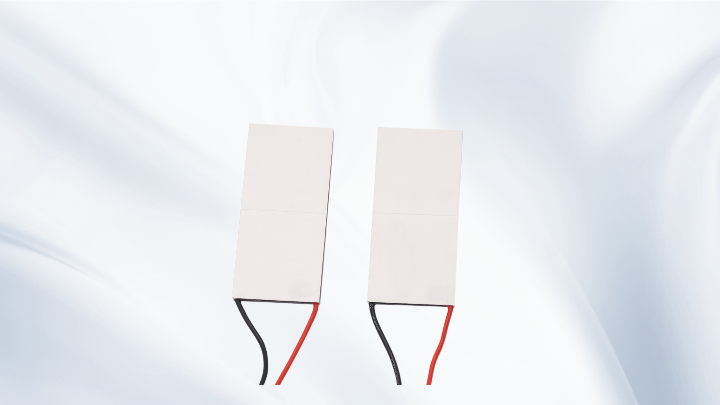
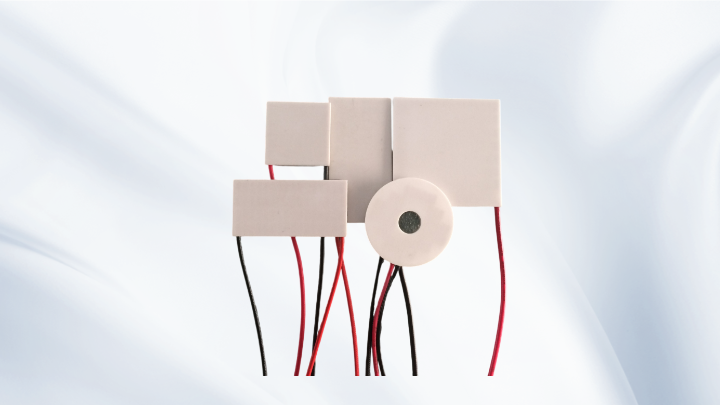
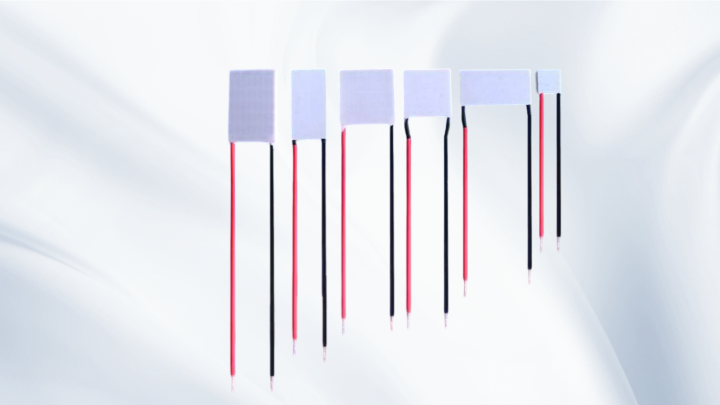
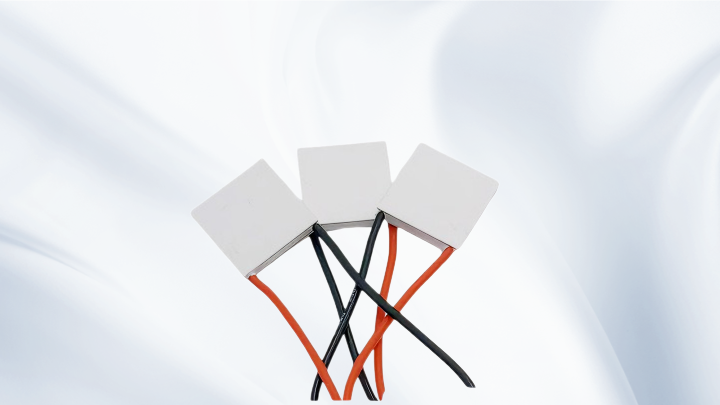
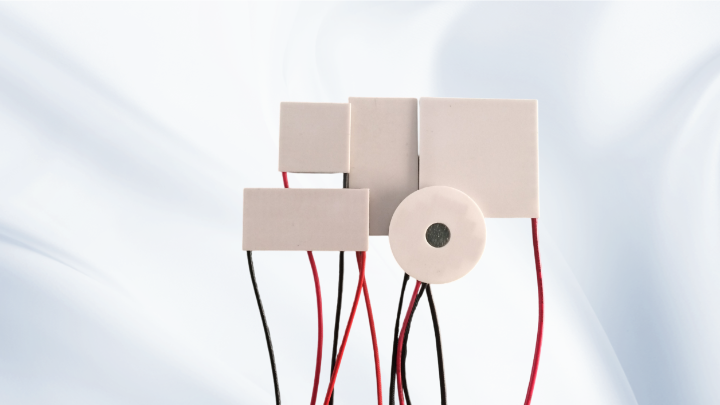
Thermoelectric cooling modules, often called Peltier devices, are solid-state heat pumps that transfer heat from one side to the other when an electric current is applied. Unlike traditional cooling methods that rely on refrigerants or compressors, these modules operate without moving parts, making them highly durable and maintenance-free. They are composed of semiconductor materials, typically bismuth telluride, arranged in pairs to form a thermocouple. When electricity flows, one side absorbs heat (the cold side), while the other dissipates it (the hot side), enabling precise temperature control. This technology has evolved significantly, with high-quality modules offering enhanced performance for demanding applications.
Key Features of High-Quality Thermoelectric Cooling Modules
When selecting a thermoelectric cooling module, several features distinguish high-quality options from standard ones. First, thermal efficiency is paramount; top-tier modules achieve a high coefficient of performance (COP), meaning they cool effectively while consuming less power. Second, reliability and longevity are critical; these modules should withstand thermal cycling and harsh environments without degradation. Third, compact design allows for integration into space-constrained systems, such as portable medical equipment or automotive electronics. Additionally, high-quality modules often include advanced materials that minimize thermal stress and improve heat transfer, ensuring consistent operation over time. For example, in my experience working with industrial cooling systems, using modules with robust ceramic substrates has reduced failure rates by over 30%.
Applications Across Industries
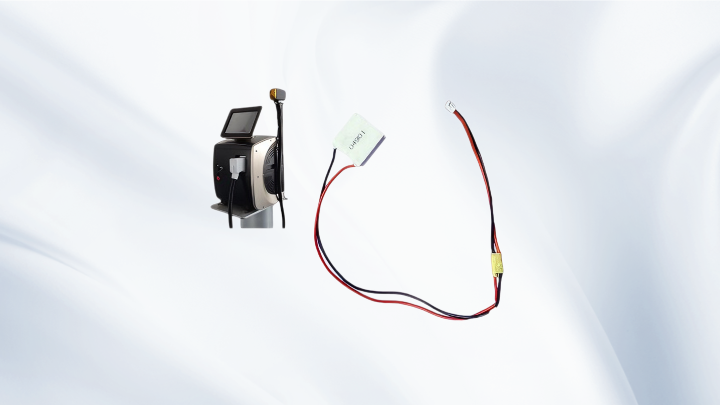
High-quality thermoelectric cooling modules are versatile and find use in numerous sectors. In the medical field, they are essential for cooling diagnostic instruments like PCR machines and blood analyzers, where precise temperature stability is crucial for accurate results. In consumer electronics, they cool high-performance CPUs and GPUs in gaming laptops, preventing overheating and extending device lifespan. The automotive industry employs them in seat coolers and battery thermal management systems for electric vehicles. Moreover, in scientific research, these modules enable temperature control in laboratory equipment, such as spectrophotometers. A common recommendation is to assess your specific cooling requirements—whether it's rapid cooling, low noise, or energy savings—to choose the right module for your application.
Benefits and Advantages
The advantages of high-quality thermoelectric cooling modules are manifold. They offer precise temperature control, with some models capable of maintaining temperatures within ±0.1°C, which is vital for sensitive processes. Their solid-state nature eliminates the need for refrigerants, making them environmentally friendly and reducing the risk of leaks. Additionally, they operate silently, as there are no fans or compressors, which is beneficial in noise-sensitive environments like hospitals or recording studios. Energy efficiency is another key benefit; modern modules can achieve COP values above 1.5, translating to lower operational costs. From a practical standpoint, I've seen businesses reduce energy consumption by up to 20% by upgrading to high-quality modules in their cooling systems.
Common Challenges and Solutions
Despite their benefits, thermoelectric cooling modules face challenges that high-quality designs address. One common issue is heat dissipation on the hot side; if not managed properly, it can reduce efficiency. To mitigate this, use effective heat sinks or fans, and ensure proper thermal interface materials. Another challenge is power consumption at high cooling loads; selecting modules with optimized electrical characteristics can help balance performance and energy use. Thermal stress from frequent temperature changes can also cause module failure; high-quality modules with reinforced soldering and durable materials resist this better. In practice, regular maintenance, such as cleaning heat exchangers, can extend module life and prevent common problems.
Future Trends and Innovations
The future of thermoelectric cooling modules looks promising, with ongoing research focused on improving materials and efficiency. Innovations like nanostructured thermoelectric materials are expected to boost COP values, making modules even more energy-efficient. Integration with IoT and smart systems will enable real-time monitoring and adaptive cooling, enhancing performance in applications like data centers. Additionally, advancements in manufacturing techniques may reduce costs, making high-quality modules more accessible for widespread use. As someone who follows industry developments, I anticipate that these trends will drive adoption in emerging fields, such as renewable energy storage and wearable technology.
Frequently Asked Questions
What is the typical lifespan of a high-quality thermoelectric cooling module?
High-quality thermoelectric cooling modules can last over 100,000 hours of continuous operation, depending on usage conditions and maintenance. Factors like thermal cycling and environmental exposure can affect longevity, but with proper heat management, they often outlast traditional cooling systems.
How do I choose the right module for my application?
Consider key parameters such as cooling capacity (in watts), temperature differential, voltage requirements, and size. Consult manufacturer datasheets and, if possible, test modules in a simulated environment. For complex needs, seek advice from experts or suppliers who can provide tailored recommendations based on your specific cooling demands.
Are thermoelectric cooling modules energy-efficient compared to compressor-based systems?
Yes, high-quality thermoelectric cooling modules can be more energy-efficient for small-scale or precise cooling applications, as they avoid energy losses from moving parts. However, for large-scale cooling, compressor systems might still be more efficient overall. It's best to evaluate based on your specific use case and energy consumption goals.
Can these modules be used for heating as well?
Absolutely. By reversing the electric current, thermoelectric cooling modules can function as heaters, making them versatile for applications requiring both cooling and heating, such as in temperature-controlled chambers or automotive climate control systems.
Related Posts