




Ensuring Peak Performance: The Critical Role of Reliable Semiconductor Cooling Plates in Modern Electronics
Introduction to Semiconductor Cooling Plates
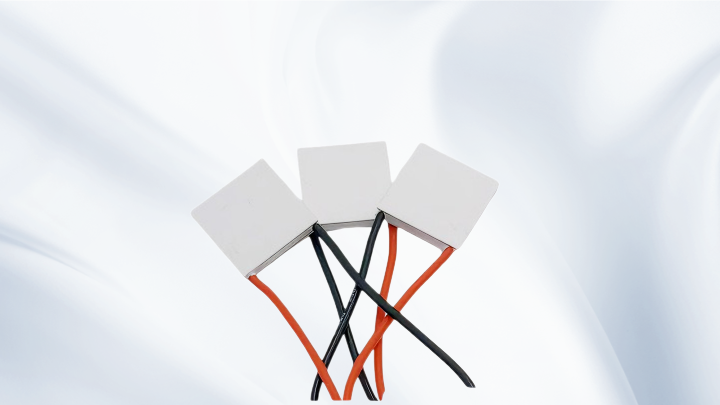
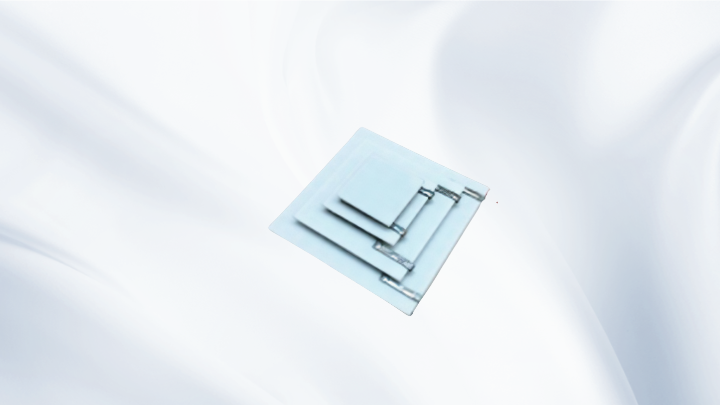
Semiconductor cooling plates, often referred to as heat spreaders or thermal management solutions, are critical components in modern electronics. They are designed to dissipate heat generated by semiconductors, such as CPUs, GPUs, and power modules, ensuring optimal performance and preventing overheating. Reliability in these cooling plates is paramount, as failures can lead to device malfunctions, reduced lifespan, and even safety hazards. With the increasing power densities in advanced chips, the demand for robust cooling solutions has never been higher.
Key Features of Reliable Cooling Plates
A reliable semiconductor cooling plate typically incorporates several key features. First, it uses high-thermal-conductivity materials like copper or aluminum alloys, which efficiently transfer heat away from the semiconductor. Second, advanced manufacturing techniques, such as vapor chamber technology or microchannel designs, enhance heat dissipation by increasing surface area and improving fluid dynamics. Third, durability is ensured through corrosion-resistant coatings and robust construction to withstand thermal cycling and mechanical stress. For instance, in data centers, cooling plates must operate continuously under high loads, making reliability a non-negotiable aspect.
Importance in Various Applications
Reliable cooling plates are vital across multiple industries. In consumer electronics, they help smartphones and laptops maintain performance without throttling. In automotive applications, they are crucial for electric vehicle power electronics, where heat management affects efficiency and safety. Industrial settings, such as robotics and renewable energy systems, rely on these plates to prevent downtime and ensure consistent operation. Without reliable cooling, devices can experience thermal runaway, leading to costly repairs or replacements.
Selection and Maintenance Best Practices
Choosing the right cooling plate involves considering factors like thermal resistance, size compatibility, and environmental conditions. It's advisable to consult manufacturer specifications and conduct thermal simulations to match the plate to the semiconductor's heat output. For maintenance, regular inspections for dust accumulation, thermal paste degradation, or physical damage are essential. Proactive measures, such as using quality thermal interface materials and ensuring proper airflow, can extend the plate's lifespan and maintain reliability over time.
Common Questions
What are the signs of a failing semiconductor cooling plate?
Common signs include increased device temperatures, frequent thermal throttling, unexpected shutdowns, or visible damage like cracks or corrosion on the plate. Monitoring temperature sensors and performance metrics can help detect issues early.
How often should cooling plates be replaced or maintained?
Maintenance frequency depends on usage and environment. In high-stress applications, inspect annually; for general use, every 2-3 years may suffice. Replacement is needed if performance degrades or physical damage occurs, typically after 5-10 years with proper care.
Can I upgrade to a more reliable cooling plate for better performance?
Yes, upgrading to a plate with higher thermal conductivity or advanced features like vapor chambers can improve heat dissipation. Ensure compatibility with your device and consider consulting a professional for installation to avoid voiding warranties.
Related Posts