




Unlocking Thermal Management Excellence: The Power of Reliable High Thermal Conductivity Ceramic Cooling Sheets
Introduction to Ceramic Cooling Sheets
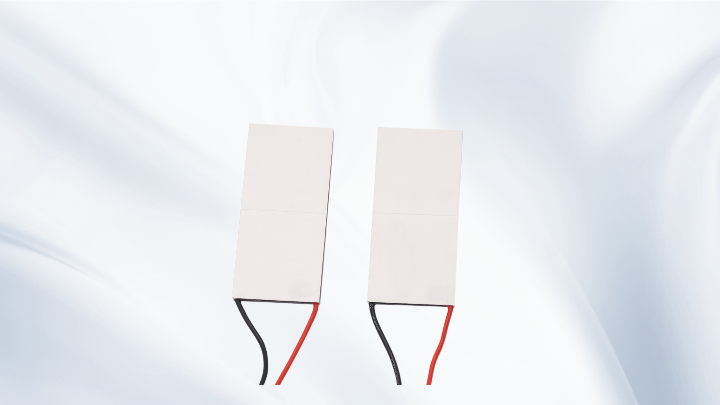
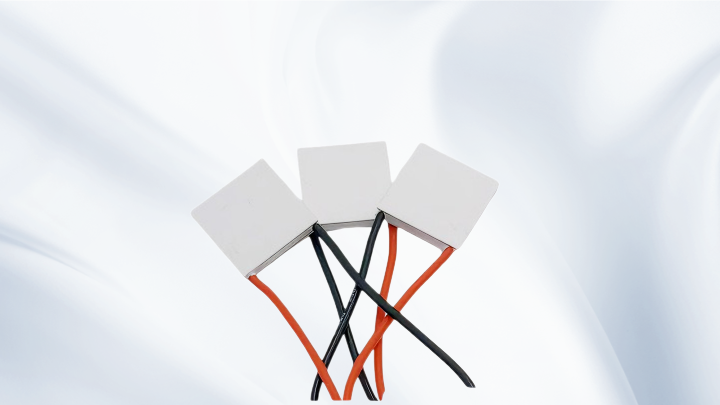
Reliable high thermal conductivity ceramic cooling sheets are advanced materials designed to manage heat in electronic devices. Unlike traditional metal-based solutions, these sheets leverage ceramics like aluminum nitride or beryllium oxide, which provide excellent thermal conductivity while maintaining electrical insulation. This makes them ideal for applications where heat buildup can compromise performance, such as in power electronics, LED lighting, and automotive systems. By ensuring consistent heat dissipation, they help prevent overheating and extend the lifespan of components.
Key Benefits of Using Ceramic Cooling Sheets
The primary advantage of these sheets lies in their high thermal conductivity, often exceeding 150 W/mK, which allows for rapid heat transfer away from sensitive areas. Additionally, ceramics are inherently reliable due to their resistance to corrosion, thermal shock, and mechanical stress. This durability ensures long-term performance without degradation, even in harsh environments. Moreover, their electrical insulation properties eliminate the risk of short circuits, enhancing safety in complex electronic assemblies.
Applications Across Industries
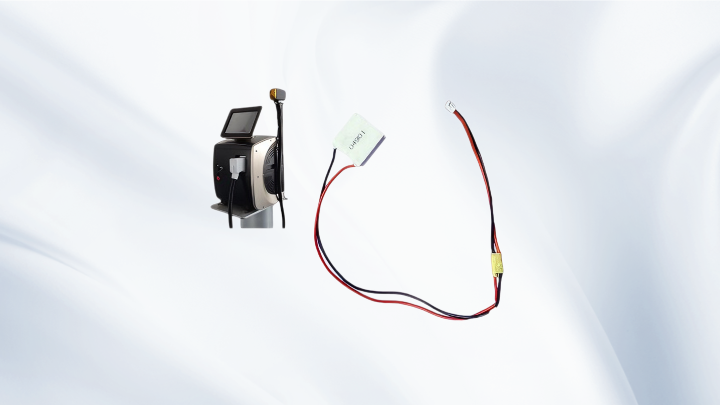
These cooling sheets find widespread use in various sectors. In the electronics industry, they are crucial for cooling CPUs, GPUs, and power modules in devices like smartphones and servers. In automotive applications, they manage heat in electric vehicle batteries and power inverters, improving efficiency and safety. The aerospace sector relies on them for thermal management in avionics, where reliability is paramount. By integrating these sheets, manufacturers can achieve better thermal regulation, leading to enhanced product performance and reduced failure rates.
Best Practices for Implementation
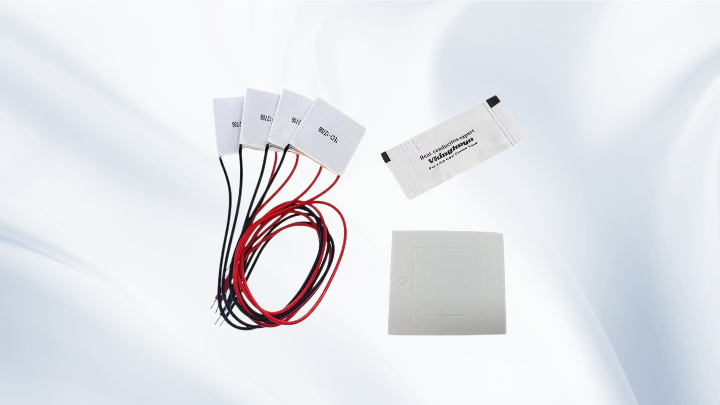
To maximize the benefits of reliable high thermal conductivity ceramic cooling sheets, proper installation is essential. Start by ensuring a clean, flat surface on both the heat source and the sheet to minimize thermal resistance. Use appropriate thermal interface materials, such as thermal grease or pads, to fill any microscopic gaps. Apply even pressure during mounting to avoid air pockets that can hinder heat transfer. Regular maintenance, including inspections for cracks or wear, can help sustain performance over time. For optimal results, consult manufacturer guidelines and consider environmental factors like temperature ranges and humidity.
Common Questions
What makes ceramic cooling sheets more reliable than metal alternatives?
Ceramic cooling sheets offer superior reliability due to their resistance to oxidation, corrosion, and thermal fatigue. Unlike metals, which can degrade over time or cause electrical issues, ceramics maintain their properties in extreme conditions, ensuring consistent performance.
How do I choose the right ceramic material for my application?
Select based on thermal conductivity needs, electrical insulation requirements, and environmental factors. Aluminum nitride is popular for high conductivity and good insulation, while beryllium oxide offers even higher performance but requires careful handling due to toxicity concerns.
Can these sheets be customized for specific shapes or sizes?
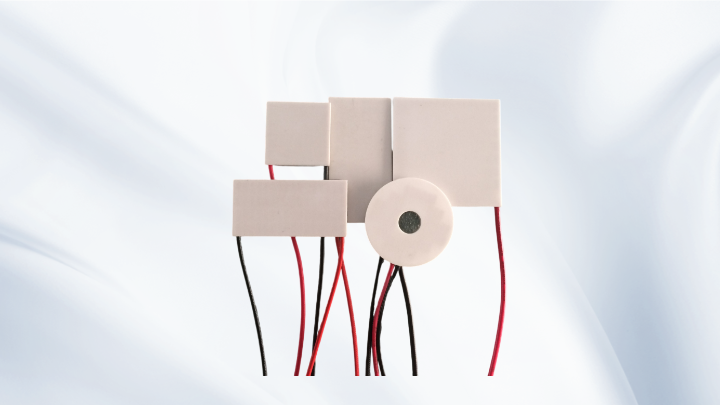
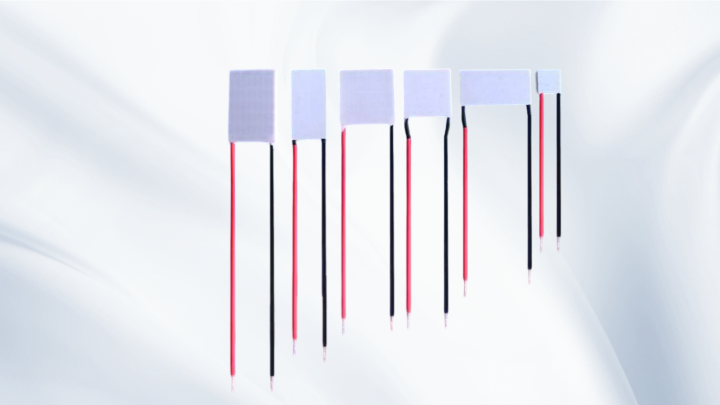
Yes, many manufacturers provide customization options, including cutting sheets to precise dimensions or adding features like holes for mounting. This flexibility allows for seamless integration into various designs.
What are the typical lifespan and maintenance requirements?
With proper installation, ceramic cooling sheets can last for years without significant degradation. Minimal maintenance is needed; periodic checks for physical damage or contamination are usually sufficient to ensure ongoing efficiency.
Related Posts