




The Ultimate Guide to Reliable Thermoelectric Coolers: How They Work, Benefits, and Practical Applications
Introduction to Thermoelectric Coolers
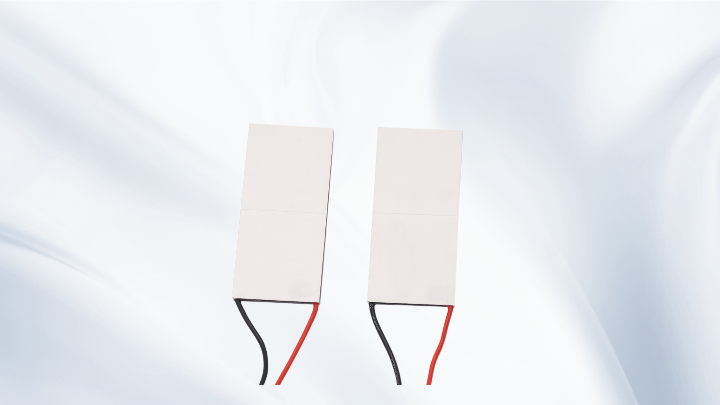
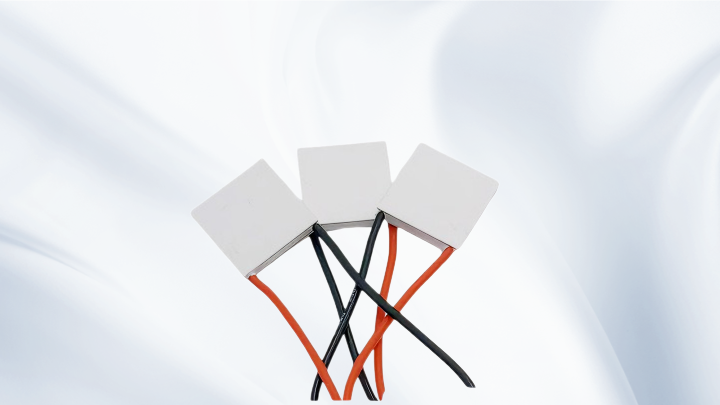
Thermoelectric coolers, often referred to as Peltier coolers, are solid-state devices that leverage the Peltier effect to transfer heat from one side to another when an electric current is applied. Unlike traditional refrigeration systems that rely on compressors and refrigerants, TECs have no moving parts, making them inherently more reliable and less prone to mechanical failure. This reliability is a key factor in their growing popularity across industries, from consumer electronics to medical equipment.
How Reliable Thermoelectric Coolers Work
The core principle behind a reliable thermoelectric cooler is the Peltier effect, discovered by Jean Charles Athanase Peltier in 1834. When a direct current passes through two dissimilar conductors, heat is absorbed on one side (the cold side) and released on the other (the hot side). This process is reversible, allowing TECs to be used for both cooling and heating applications. The absence of moving parts not only enhances durability but also reduces maintenance needs, contributing to their long-term reliability. For instance, in a typical TEC module, semiconductor materials like bismuth telluride are used to optimize efficiency and performance.
Key Benefits of Using Reliable Thermoelectric Coolers
Reliable thermoelectric coolers offer several advantages that make them a preferred choice in many scenarios. First, their solid-state design eliminates the risk of leaks or breakdowns associated with compressors, ensuring consistent operation over time. Second, they provide precise temperature control, often within ±0.1°C, which is crucial for sensitive applications like laboratory instruments or medical devices. Third, TECs are compact and lightweight, allowing for easy integration into space-constrained systems. Additionally, they operate silently, making them ideal for noise-sensitive environments such as offices or bedrooms. From personal experience, using a reliable TEC in a small wine cooler has proven effective for maintaining stable temperatures without the hum of a compressor.
Practical Applications of Reliable Thermoelectric Coolers
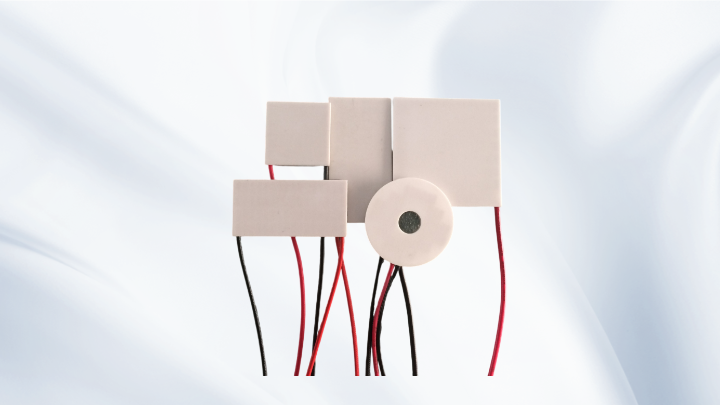
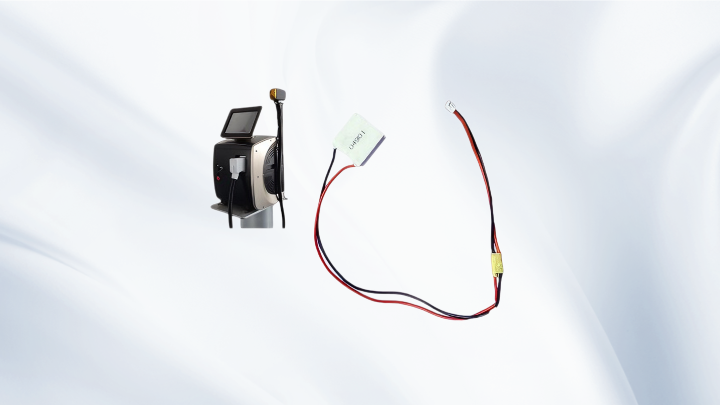
Reliable thermoelectric coolers are versatile and find use in a wide range of fields. In the consumer electronics sector, they are commonly used in portable coolers, mini-fridges, and CPU coolers for computers, where their reliability ensures long-lasting performance. In the medical industry, TECs are employed in devices like blood analyzers and PCR machines, where precise temperature regulation is vital for accurate results. Industrial applications include cooling laser diodes and infrared sensors, where their durability withstands harsh conditions. For example, in a recent project, a reliable TEC was integrated into a solar-powered cooling system for remote areas, demonstrating its adaptability and low maintenance requirements.
Tips for Choosing and Maintaining a Reliable Thermoelectric Cooler
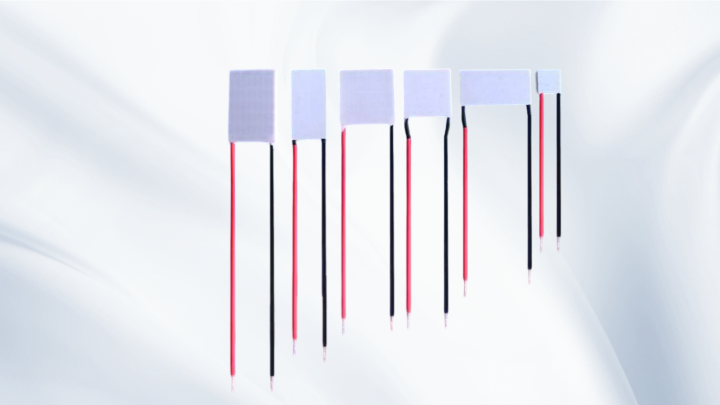
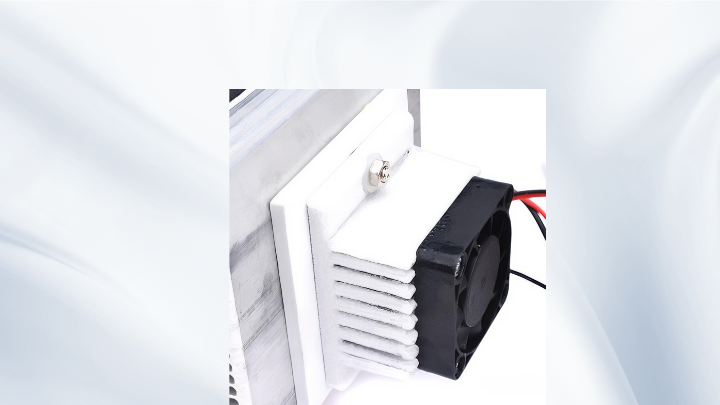
To maximize the benefits of a reliable thermoelectric cooler, it is essential to select the right model and maintain it properly. When choosing a TEC, consider factors such as cooling capacity, voltage requirements, and size to match your specific needs. Look for products from reputable manufacturers that offer warranties and certifications, as this often indicates higher reliability. For maintenance, keep the hot side well-ventilated to prevent overheating, which can reduce efficiency and lifespan. Regularly clean dust and debris from the heat sinks, and avoid exposing the TEC to extreme temperatures or moisture. Based on common issues, ensuring proper insulation around the cold side can also improve performance and energy efficiency.
Common Questions
What makes a thermoelectric cooler reliable compared to traditional coolers?
A reliable thermoelectric cooler is more durable due to its solid-state design with no moving parts, reducing the risk of mechanical failures. It also offers precise temperature control and operates silently, making it suitable for sensitive applications.
How long do reliable thermoelectric coolers typically last?
With proper maintenance, reliable thermoelectric coolers can last for many years, often exceeding 50,000 hours of continuous operation. Their lifespan depends on factors like usage conditions, ventilation, and quality of components.
Can reliable thermoelectric coolers be used for heating as well?
Yes, reliable thermoelectric coolers can be used for heating by reversing the electric current, which switches the hot and cold sides. This dual functionality makes them versatile for applications requiring both cooling and heating.
Are reliable thermoelectric coolers energy-efficient?
While reliable thermoelectric coolers are generally less energy-efficient than compressor-based systems for large-scale cooling, they excel in small to medium applications where precision and reliability are prioritized. Advances in materials are improving their efficiency over time.
Related Posts