




Harnessing the Power of Reliable Thermoelectric Cooling Chips: A Comprehensive Guide to Efficient Temperature Control
Introduction to Thermoelectric Cooling Technology
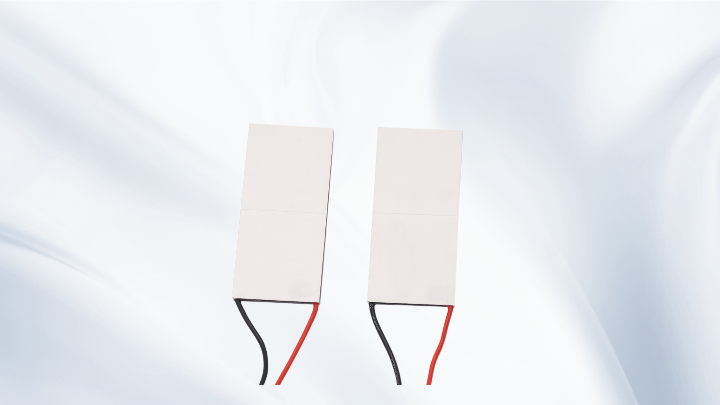
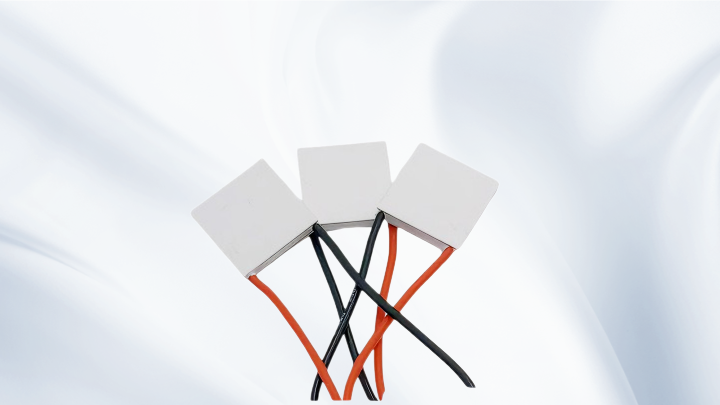
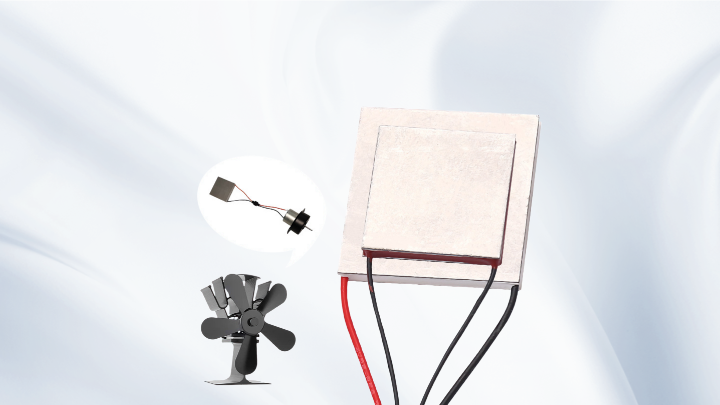
Thermoelectric cooling chips, often based on the Peltier effect, offer a solid-state solution for precise temperature control without moving parts. Unlike traditional refrigeration methods, these chips use electrical currents to transfer heat, making them highly reliable and suitable for applications where maintenance is challenging. Their ability to provide cooling or heating by reversing current direction adds to their versatility, driving adoption in sectors demanding consistent thermal management.
Key Features of Reliable Thermoelectric Cooling Chips
Reliability in thermoelectric cooling chips stems from several critical factors. First, material quality plays a pivotal role; semiconductors like bismuth telluride are commonly used for their efficiency and stability. Second, robust design ensures minimal thermal stress and long-term performance, even under fluctuating loads. Additionally, these chips often incorporate fail-safe mechanisms, such as overcurrent protection, to prevent damage. By focusing on these aspects, manufacturers can produce chips that withstand harsh environments, from industrial machinery to outdoor electronics.
Applications Across Industries
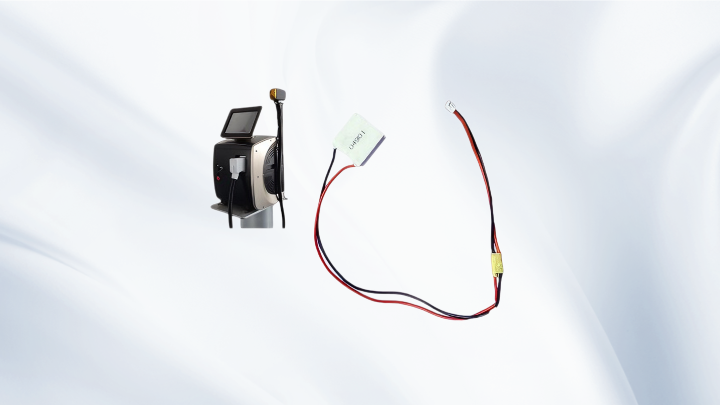
Reliable thermoelectric cooling chips find diverse applications due to their compact size and precise control. In the electronics sector, they cool CPUs and GPUs in high-performance computers, preventing overheating and extending device lifespan. Medical devices, such as portable vaccine coolers, rely on them for stable temperature maintenance during transport. Automotive systems use these chips for seat cooling and battery thermal management in electric vehicles. Moreover, aerospace and defense industries employ them in avionics and satellite equipment, where reliability is non-negotiable. These examples highlight how thermoelectric technology addresses specific needs with minimal energy consumption.
Benefits and Advantages
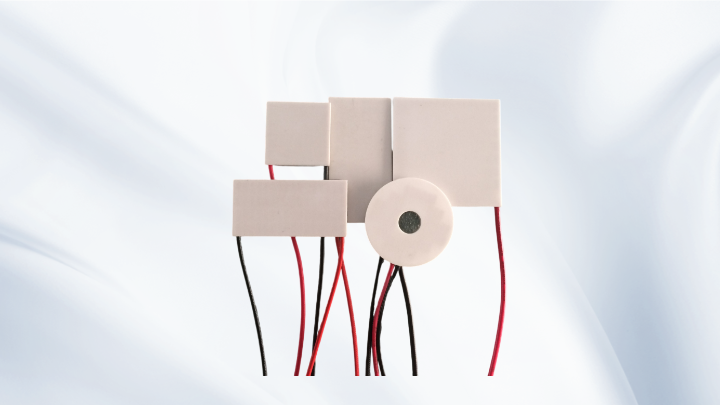
The advantages of reliable thermoelectric cooling chips are manifold. They offer silent operation since they lack compressors or fans, making them ideal for noise-sensitive environments like laboratories or residential settings. Their scalability allows for customization in size and power, catering to both small-scale gadgets and large industrial systems. Energy efficiency is another key benefit; by directly converting electricity to cooling, they reduce waste compared to conventional methods. Furthermore, their durability translates to lower maintenance costs and fewer replacements, providing long-term savings for users.
Challenges and Considerations for Reliability
Despite their strengths, ensuring reliability in thermoelectric cooling chips requires addressing certain challenges. Thermal cycling can lead to material fatigue over time, so proper heat dissipation through heatsinks or liquid cooling is essential. Power supply stability is crucial, as voltage fluctuations may impair performance. Environmental factors, such as humidity or extreme temperatures, also impact longevity; thus, selecting chips with appropriate ratings and protective coatings is advised. By understanding these considerations, users can implement best practices, like regular monitoring and adequate insulation, to maximize chip lifespan.
Future Trends and Innovations
The future of reliable thermoelectric cooling chips looks promising with ongoing advancements. Research into new materials, such as skutterudites, aims to enhance efficiency and reduce costs. Integration with IoT and smart systems enables real-time temperature adjustments and predictive maintenance, boosting reliability further. Additionally, miniaturization trends are pushing the development of micro-scale chips for wearable technology and biomedical implants. As sustainability gains importance, eco-friendly designs and recyclable components are becoming standard, ensuring that these chips not only perform reliably but also align with environmental goals.
Common Questions
What makes a thermoelectric cooling chip reliable?
Reliability depends on factors like high-quality semiconductor materials, robust construction to handle thermal stress, and built-in safety features. Regular testing and adherence to industry standards also contribute to long-term performance.
How long do reliable thermoelectric cooling chips typically last?
With proper usage and maintenance, these chips can last over 100,000 hours. Lifespan varies based on operating conditions, such as temperature extremes and load cycles, so following manufacturer guidelines is key.
Can thermoelectric cooling chips be used in outdoor environments?
Yes, many chips are designed with weather-resistant coatings and wide temperature ranges. However, it's important to choose models rated for specific environmental conditions and ensure adequate protection from moisture and dust.
Are there energy-efficient options for thermoelectric cooling?
Absolutely. Modern chips often feature optimized designs that minimize power consumption while maintaining cooling capacity. Look for energy-star ratings or consult specifications to select efficient models for your application.
Related Posts