




The Ultimate Guide to Reliable Thermoelectric Cooling Modules: Efficiency, Applications, and Maintenance
Understanding Thermoelectric Cooling Modules
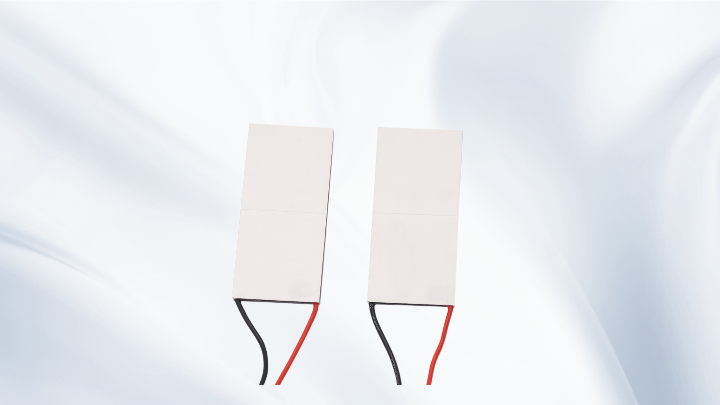
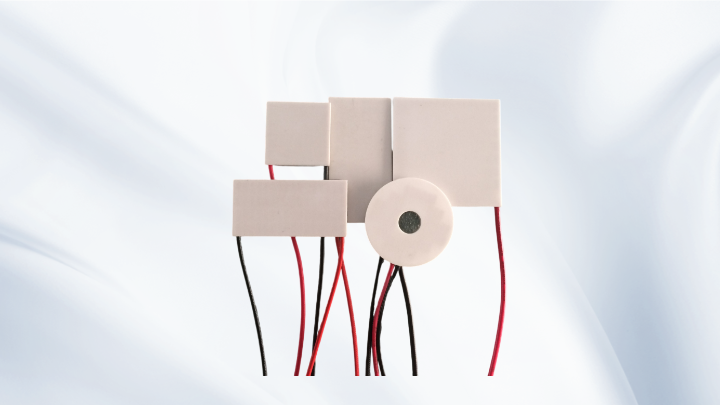
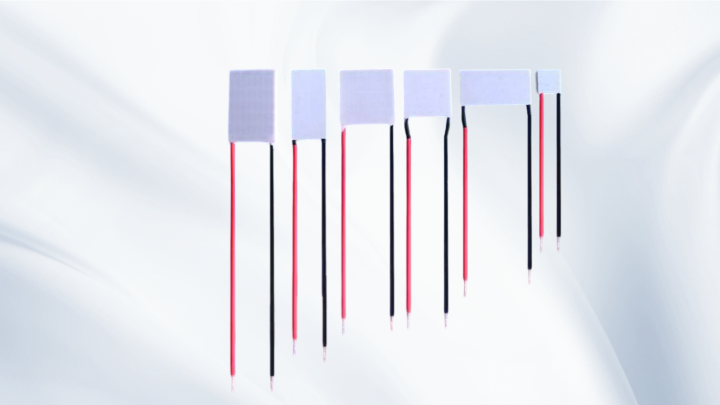
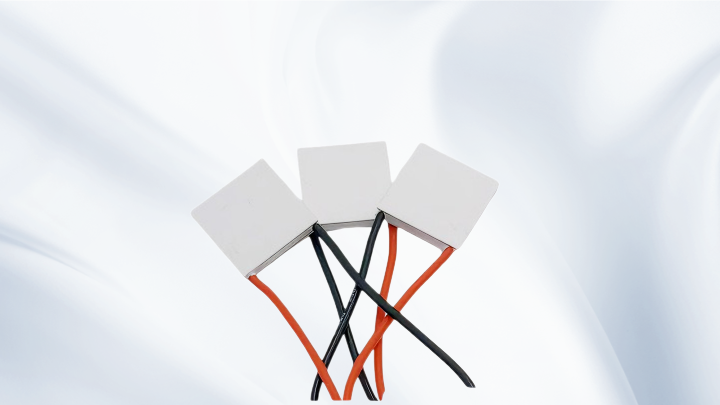
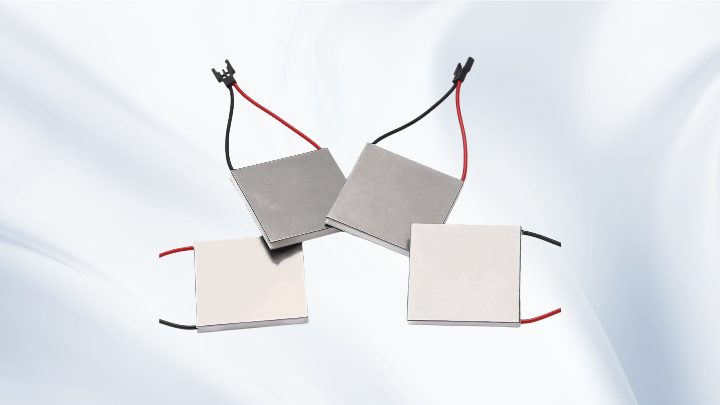
Thermoelectric cooling modules are solid-state devices that use the Peltier effect to transfer heat from one side to another when an electric current is applied. Unlike traditional refrigeration systems, they have no moving parts, which contributes to their reliability and durability. A typical module consists of semiconductor materials sandwiched between ceramic plates, allowing for compact and efficient cooling. This technology is widely used in industries where precise temperature control is critical, such as in laboratory equipment, automotive systems, and consumer electronics. By eliminating compressors and refrigerants, these modules reduce maintenance needs and environmental impact, making them a sustainable choice for modern cooling solutions.
Key Features of Reliable Thermoelectric Cooling Modules
Reliable thermoelectric cooling modules are characterized by several key features that set them apart from other cooling methods. First, their solid-state design ensures long operational life with minimal wear and tear, as there are no mechanical components to fail. They offer precise temperature control, often within ±0.1°C, which is essential for sensitive applications like medical devices or scientific instruments. Additionally, these modules are compact and lightweight, allowing for easy integration into various systems without taking up much space. Another advantage is their ability to operate in any orientation and under harsh conditions, such as high vibration or extreme temperatures, without compromising performance. However, it's important to note that their efficiency can be lower than traditional systems, especially at high temperature differentials, so proper design and heat management are crucial for optimal reliability.
Applications Across Industries
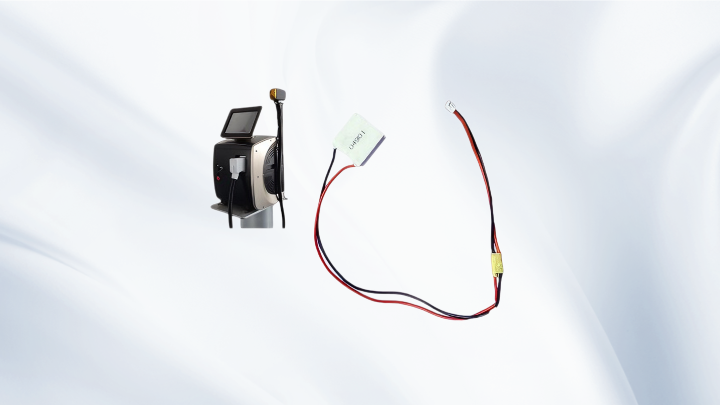
Reliable thermoelectric cooling modules find applications in a diverse range of industries due to their versatility and dependability. In the electronics sector, they are used to cool CPUs, GPUs, and other components in computers and servers, preventing overheating and extending device lifespan. In the medical field, these modules are integral to equipment like PCR machines and blood analyzers, where stable temperatures are vital for accurate results. Automotive applications include cooling seats and electronic control units, enhancing comfort and safety. Moreover, they are employed in aerospace for thermal management in satellites and spacecraft, where reliability is non-negotiable. Consumer products, such as portable coolers and wine chillers, also benefit from their quiet operation and energy efficiency. By understanding these applications, users can select the right module for their specific needs, ensuring maximum performance and longevity.
Best Practices for Ensuring Reliability
To maximize the reliability of thermoelectric cooling modules, it's essential to follow best practices in installation, operation, and maintenance. Start by selecting a module with appropriate specifications, such as voltage, current, and cooling capacity, matched to your application's requirements. Proper heat sinking is critical; use high-quality thermal interface materials and ensure adequate airflow to dissipate heat effectively from the hot side. Avoid operating the module at its maximum limits for extended periods, as this can lead to premature failure due to thermal stress. Regular inspections for signs of wear, such as cracks in the ceramic plates or corrosion, can help catch issues early. Additionally, consider environmental factors like humidity and dust, which may require protective enclosures. By adhering to these guidelines, you can enhance the module's lifespan and maintain consistent cooling performance, reducing downtime and costs.
Common Questions
What is the typical lifespan of a reliable thermoelectric cooling module?
The lifespan of a reliable thermoelectric cooling module can vary based on usage and conditions, but with proper care, it often exceeds 50,000 hours of continuous operation. Factors like operating temperature, load, and maintenance practices play a significant role in longevity.
How do I choose the right thermoelectric cooling module for my application?
To choose the right module, consider key parameters such as cooling capacity (in watts), temperature differential, voltage, and size. Consult manufacturer datasheets and, if possible, test the module in a simulated environment to ensure it meets your specific needs for reliability and efficiency.
Can thermoelectric cooling modules be used for heating as well?
Yes, thermoelectric cooling modules can also provide heating by reversing the electric current direction, utilizing the same Peltier effect. This makes them versatile for applications requiring both cooling and heating, such as in temperature-controlled chambers or climate control systems.
What are common failure modes for these modules, and how can they be prevented?
Common failure modes include thermal fatigue from cycling temperatures, electrical shorts, and physical damage from improper handling. Prevention involves using robust heat management, avoiding rapid temperature changes, and following installation guidelines to minimize stress on the components.
Related Posts