





Unlocking Sustainable Power: The Rise of Reliable Thermoelectric Generator Chips
What Are Thermoelectric Generator Chips?
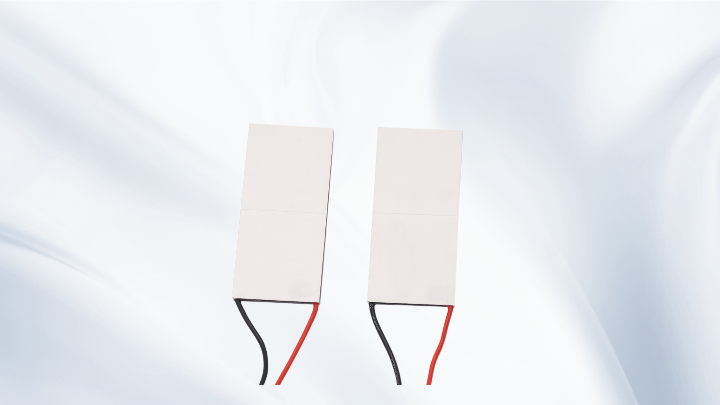
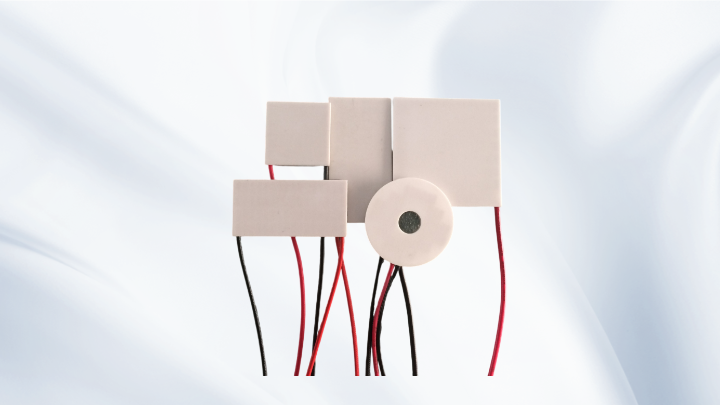
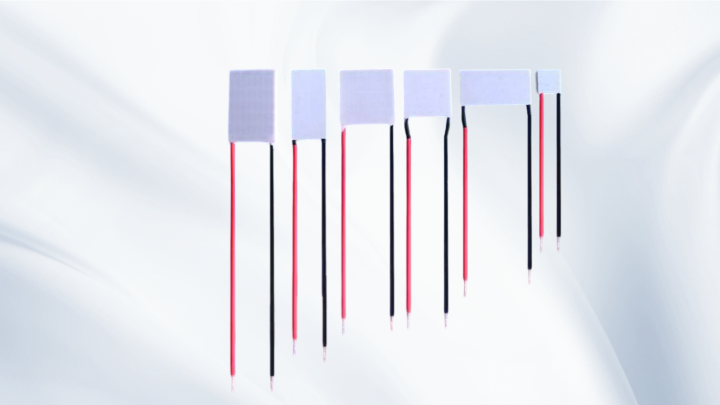
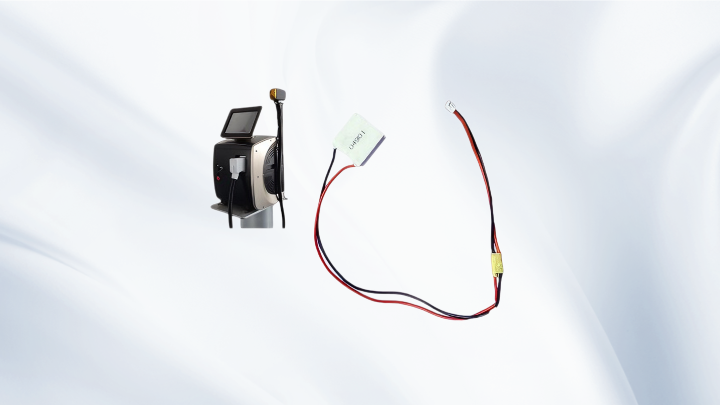
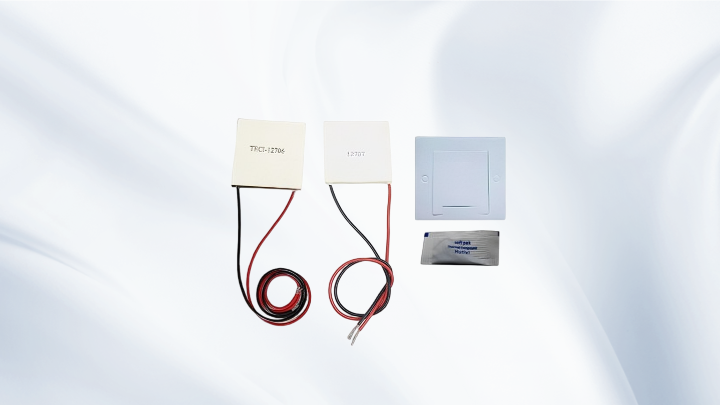
Thermoelectric generator (TEG) chips are solid-state devices that harness the Seebeck effect to generate electrical power from temperature differences. Unlike traditional generators with moving parts, these chips operate silently and reliably, making them ideal for remote or harsh environments. A reliable thermoelectric generator chip typically consists of semiconductor materials like bismuth telluride, engineered to maximize efficiency and durability. By placing one side in contact with a heat source and the other with a cooler surface, these chips can produce a steady voltage, powering everything from wearable electronics to automotive systems. Their compact size and scalability allow for integration into diverse settings, from smart home devices to aerospace applications, where consistent performance is critical.
Key Features of Reliable Thermoelectric Generator Chips
The reliability of these chips stems from several core features. First, their solid-state construction eliminates mechanical wear, reducing failure rates and extending lifespan—often exceeding 10 years with minimal degradation. Second, advanced materials and manufacturing techniques, such as thin-film deposition and nanostructuring, enhance thermal conductivity and electrical output, ensuring stable operation across temperature ranges from -50°C to 200°C. Third, reliable thermoelectric generator chips are designed with robust packaging to withstand environmental stresses like humidity, vibration, and corrosion, common in industrial or outdoor use. For instance, in IoT networks, these chips can power sensors indefinitely without battery replacements, cutting maintenance costs. Real-world tests show that high-quality chips maintain over 90% efficiency after thousands of thermal cycles, proving their dependability in critical systems like medical implants or remote monitoring stations.
Applications and Benefits in Modern Technology
Reliable thermoelectric generator chips are revolutionizing energy harvesting in multiple sectors. In the Internet of Things (IoT), they enable self-powered sensors for smart cities, agriculture, and infrastructure monitoring, eliminating the need for frequent battery changes and reducing electronic waste. In automotive industries, these chips capture exhaust heat to supplement vehicle electrical systems, improving fuel efficiency by up to 5%. For consumer electronics, they can extend battery life in wearables by converting body heat into power. A notable example is in space exploration, where NASA uses thermoelectric generators to power probes in extreme cold, relying on their reliability for long-duration missions. The benefits include reduced carbon footprints, lower operational costs, and enhanced system autonomy. By integrating these chips, companies can achieve sustainable energy goals while ensuring uninterrupted service, as seen in telecom towers using waste heat from equipment to maintain operations during power outages.
Challenges and Future Developments
Despite their advantages, reliable thermoelectric generator chips face challenges that impact widespread adoption. One major issue is efficiency limitations; current commercial chips convert only 5-10% of heat into electricity, though research aims to boost this to 20% with new materials like skutterudites. Cost is another barrier, as high-performance materials and precision manufacturing increase prices, but mass production and economies of scale are driving costs down. Thermal management is crucial, as poor heat dissipation can reduce output or damage chips—solutions include integrated heat sinks and advanced cooling designs. Looking ahead, innovations in nanotechnology and hybrid systems, combining TEGs with solar cells, promise higher reliability and output. Industry experts predict that by 2030, these chips could power entire microgrids in remote areas, supported by AI-driven optimization for real-time performance monitoring. To overcome hurdles, collaboration between academia and industry is key, focusing on standardized testing protocols to ensure consistency and safety in diverse applications.
Common Questions
How long do reliable thermoelectric generator chips last?With proper design and materials, these chips can last over 10 years without significant performance loss, thanks to their solid-state nature and resistance to environmental factors.
What are the main factors affecting their reliability?Key factors include material quality, thermal cycling endurance, packaging integrity, and operating temperature range—choosing chips rated for specific conditions enhances reliability.
Can they work in extreme temperatures?Yes, many reliable thermoelectric generator chips are engineered for extremes, from sub-zero Arctic conditions to high-heat industrial settings, though efficiency may vary based on design.
Are they cost-effective compared to batteries?In long-term applications, they often are, as they eliminate replacement costs and maintenance, but initial investment can be higher—evaluate based on lifespan and energy savings.
How do I integrate them into an existing system?Consult manufacturer guidelines for thermal interface materials and electrical connections; prototyping with evaluation kits is recommended to ensure compatibility and optimal placement.
Related Posts