




A Comprehensive Guide: Where to Find Semiconductor Refrigeration Coolers for Your Projects
Introduction to Semiconductor Refrigeration Coolers
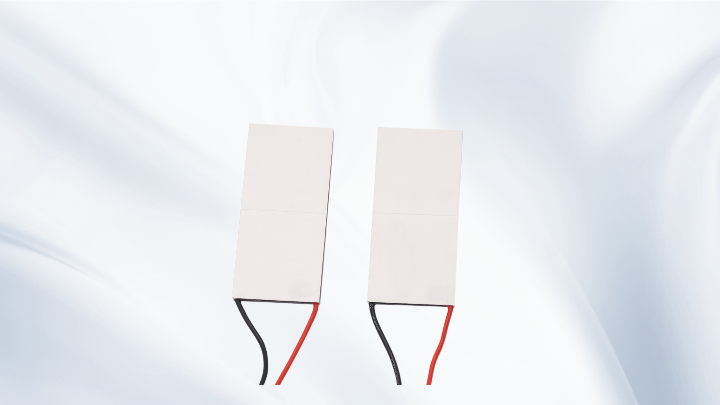
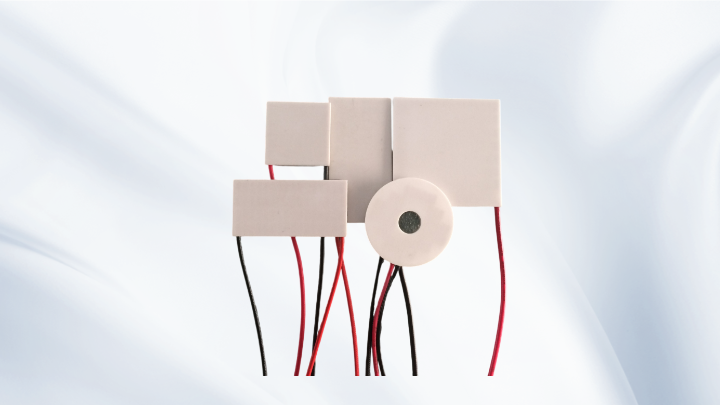
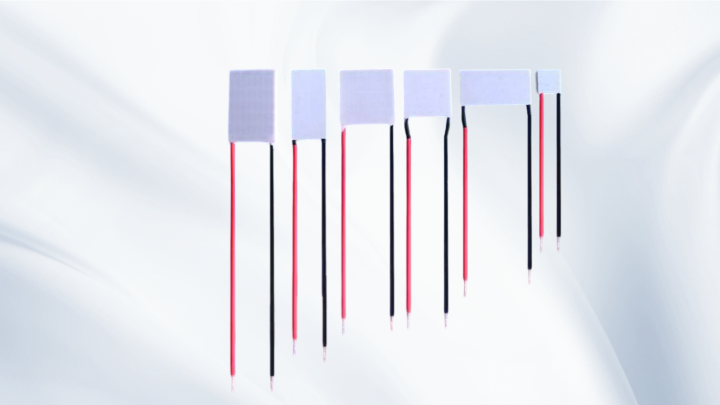
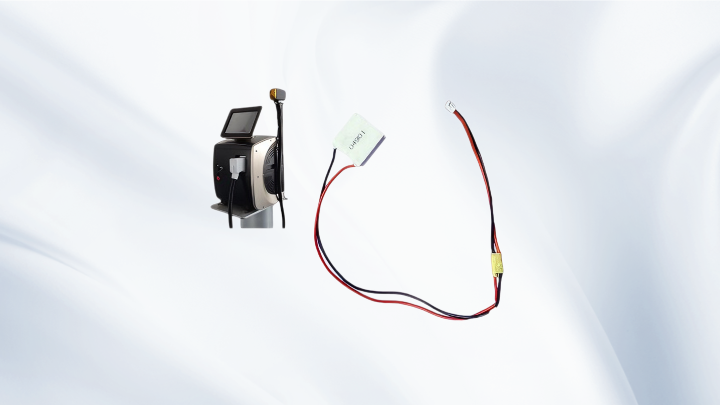
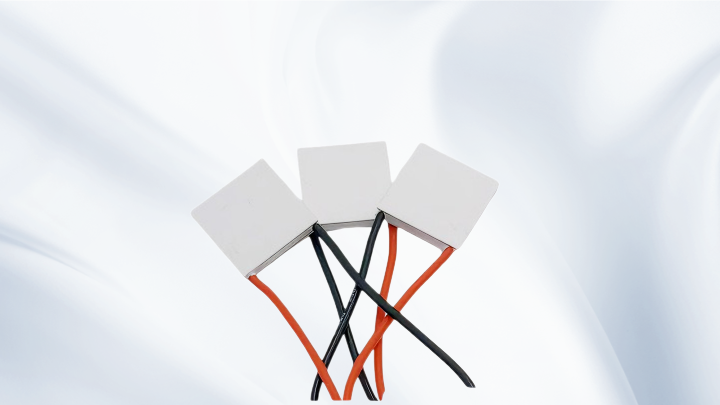
Semiconductor refrigeration coolers, often called thermoelectric coolers (TECs) or Peltier devices, operate on the Peltier effect to transfer heat from one side to another, providing cooling without moving parts. They are widely used in applications such as electronic cooling, portable refrigerators, and scientific instruments. Understanding where to find these components is crucial for hobbyists, engineers, and professionals seeking reliable and efficient cooling solutions.
Online Retailers and Marketplaces
One of the most accessible places to find semiconductor refrigeration coolers is through online retailers. Websites like Amazon, eBay, and AliExpress offer a wide range of TECs from various brands and specifications. For example, on Amazon, you can find coolers with different voltage ratings, such as 12V or 5V models, suitable for small-scale projects. When shopping online, it's essential to check customer reviews and seller ratings to ensure product quality and reliability. Additionally, look for detailed specifications like cooling capacity and dimensions to match your project needs.
Specialty Electronics Suppliers
For more specialized or high-performance semiconductor refrigeration coolers, consider turning to dedicated electronics suppliers. Companies like Digi-Key, Mouser Electronics, and Adafruit provide extensive catalogs of TECs with precise technical data. These suppliers often cater to industrial and professional users, offering components with higher cooling power or custom configurations. For instance, if you're building a cooling system for a laser diode, you might find specific models designed for high heat loads. Visiting their websites allows you to filter products by parameters like maximum temperature difference and current rating, ensuring a perfect fit for your application.
Local Electronics Stores and Hobby Shops
If you prefer hands-on shopping or need components quickly, local electronics stores and hobby shops can be excellent sources. Stores like RadioShack (where available) or independent electronics retailers often stock basic TECs for DIY projects. In my experience, visiting a local shop allows you to inspect the product physically and get advice from knowledgeable staff. However, availability might be limited compared to online options, so it's wise to call ahead or check their inventory online. For hobbyists working on small cooling projects, such as mini-fridges or CPU coolers, these stores can provide affordable and convenient solutions.
Manufacturers and Direct Suppliers
For bulk purchases or custom requirements, contacting manufacturers directly is a strategic approach. Companies like Laird Thermal Systems, TE Technology, and Ferrotec specialize in producing semiconductor refrigeration coolers and offer direct sales. This option is ideal for businesses or large-scale projects that need tailored specifications, such as specific shapes or enhanced durability. By reaching out to manufacturers, you can access technical support, request samples, and negotiate pricing. For example, if you're developing a medical device requiring precise temperature control, a manufacturer can provide coolers with certified performance data.
DIY and Community Sources
For budget-conscious or experimental projects, DIY communities and second-hand markets can be valuable resources. Platforms like Reddit's r/electronics or forums like EEVblog often have members selling or trading used TECs. Additionally, salvage from old equipment, such as broken portable coolers or decommissioned lab instruments, can yield functional components. In my own projects, I've successfully repurposed coolers from discarded wine chillers, saving costs while learning about their operation. However, be cautious with used items—test them thoroughly to ensure they meet your cooling requirements.
Tips for Choosing the Right Cooler
When searching for a semiconductor refrigeration cooler, consider key factors to make an informed choice. First, determine the cooling capacity needed based on your application's heat load. For instance, cooling a small electronic component might require a 10W TEC, while a larger system could need 50W or more. Second, check compatibility with power supplies and heat sinks, as improper matching can reduce efficiency. Third, read datasheets carefully to understand parameters like maximum operating temperature and thermal resistance. Lastly, compare prices across sources; online retailers might offer deals, but specialty suppliers provide better technical support.
Common Questions
What is the difference between a semiconductor refrigeration cooler and a traditional compressor cooler?
Semiconductor coolers use the Peltier effect to transfer heat electronically, making them compact, silent, and maintenance-free, but they are generally less efficient for large cooling loads. Traditional compressor coolers use refrigerants and mechanical parts, offering higher efficiency for big applications but with more noise and bulk.
How do I determine the right size and power for my project?
Calculate the heat load of your device in watts, then choose a TEC with a cooling capacity slightly higher than that load. Refer to manufacturer datasheets for specifications like Qmax (maximum heat pumping capacity) and consider using online calculators or consulting with suppliers for guidance.
Are semiconductor refrigeration coolers energy-efficient?
They can be less energy-efficient than compressor-based systems, especially for large-scale cooling, due to lower Coefficient of Performance (COP). However, for small, precise applications where size and noise are critical, they offer a good balance of performance and convenience.
Can I use multiple coolers together for better performance?
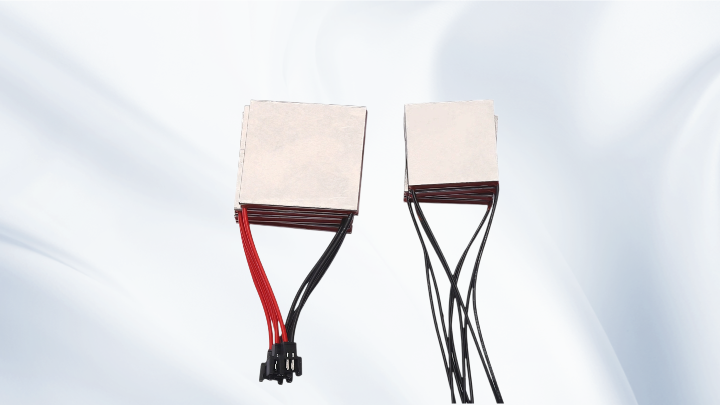
Yes, stacking or arranging multiple TECs in series or parallel can increase cooling power or temperature difference. Ensure proper thermal management with adequate heat sinks and power supplies to avoid overheating and inefficiency.
Where can I find tutorials for installing these coolers?
Online platforms like YouTube, Instructables, and electronics forums provide step-by-step guides. For example, search for "thermoelectric cooler DIY project" to find videos and articles with practical tips on wiring, heat sinking, and testing.
Related Posts