




Where to Find Semiconductor Refrigeration Sheets: A Comprehensive Guide for Efficient Cooling Solutions
Introduction to Semiconductor Refrigeration Sheets
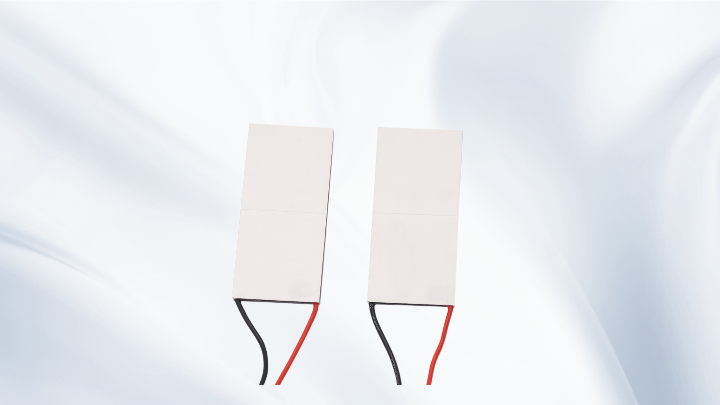
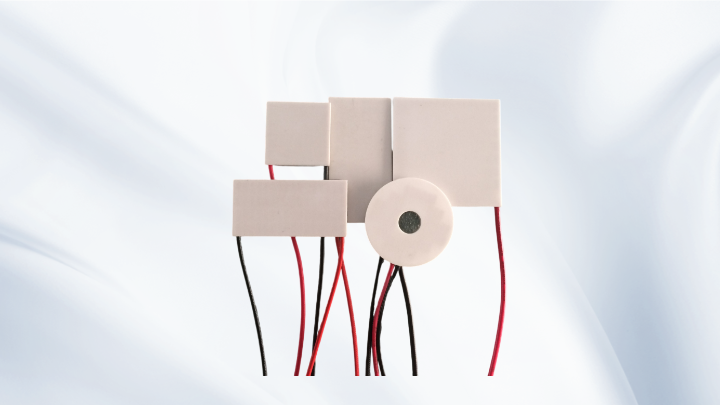
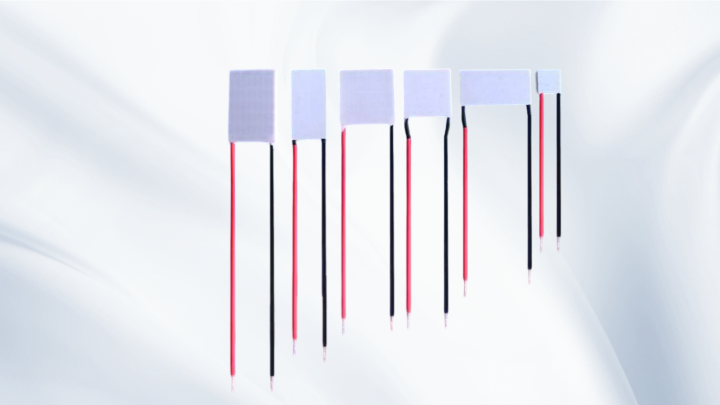
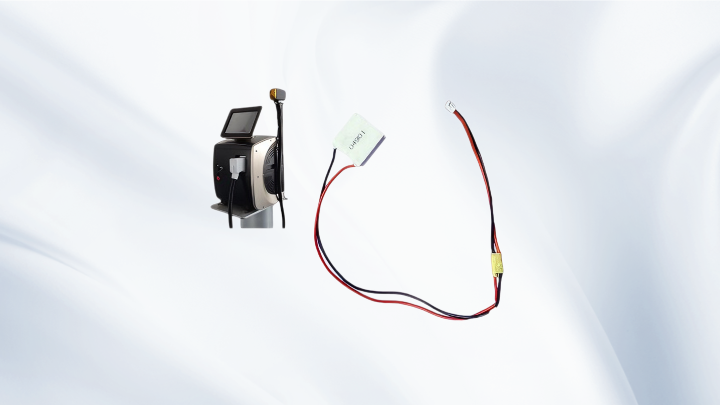
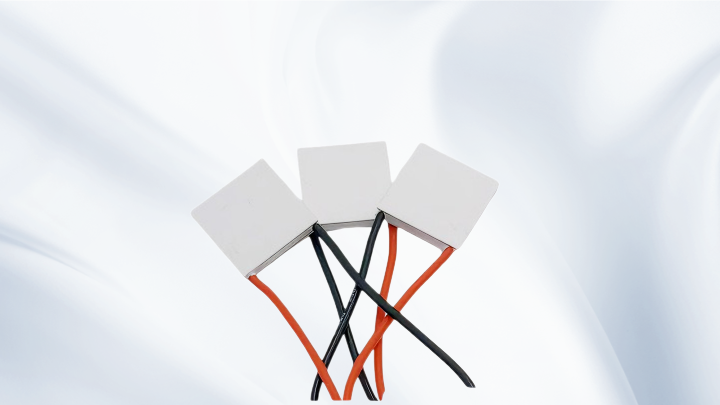
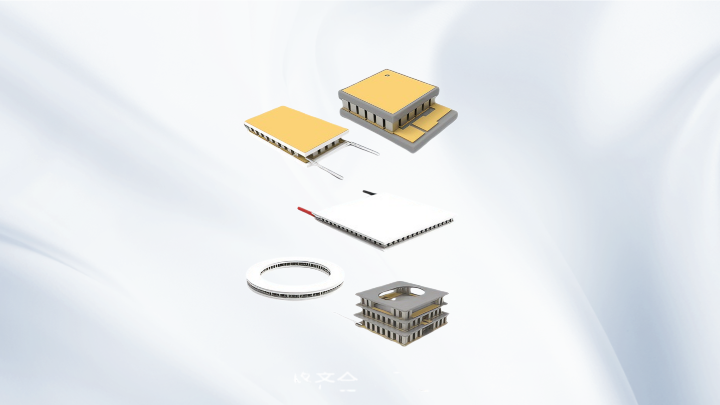
Semiconductor refrigeration sheets, often referred to as Peltier modules, are devices that use the Peltier effect to transfer heat from one side to another when an electric current is applied. They are widely used in applications such as cooling electronic components, portable refrigerators, and scientific instruments. Understanding where to find these sheets is crucial for engineers, hobbyists, and businesses seeking reliable cooling solutions.
Online Retailers and Marketplaces
One of the most convenient places to find semiconductor refrigeration sheets is through online retailers. Websites like Amazon, eBay, and Alibaba offer a wide range of options from various manufacturers. These platforms allow you to compare prices, read customer reviews, and check specifications such as voltage, current, and cooling capacity. For example, on Amazon, you can find sheets from brands like TEC1-12706, which are popular for DIY projects. Always ensure the seller has good ratings and provides detailed product information to avoid low-quality items.
Specialty Electronics Suppliers
For more specialized or bulk purchases, consider sourcing from dedicated electronics suppliers. Companies like Digi-Key, Mouser Electronics, and RS Components stock high-quality semiconductor refrigeration sheets from reputable manufacturers such as Laird Thermal Systems and Ferrotec. These suppliers often provide technical datasheets, application notes, and customer support, making them ideal for professional projects. They may also offer custom configurations if you have specific requirements, such as different sizes or thermal performance.
Local Electronics Stores and Distributors
If you prefer in-person shopping or need immediate availability, check local electronics stores or distributors. In many cities, stores like RadioShack (where available) or independent electronics shops may carry Peltier modules. Additionally, industrial suppliers or HVAC distributors might stock these sheets for commercial applications. Visiting these locations allows you to inspect the product physically and get advice from knowledgeable staff, which can be helpful for beginners.
DIY and Hobbyist Communities
For those on a budget or interested in repurposing materials, DIY and hobbyist communities can be a great resource. Websites like Instructables or forums such as Reddit's r/electronics often have members selling or trading used semiconductor refrigeration sheets. You might also find them in salvage from old equipment, like mini-fridges or cooling pads. However, be cautious with used items, as they may have reduced efficiency or damage. Always test them before use in critical applications.
Tips for Selecting the Right Sheet
When searching for semiconductor refrigeration sheets, consider factors like cooling capacity (measured in watts), voltage and current ratings, and size. Match these to your application's needs; for instance, a small electronic device might require a low-power sheet, while a cooling system needs higher capacity. Also, check for certifications or warranties from manufacturers to ensure reliability. Reading user reviews and consulting technical forums can provide insights into real-world performance.
Common Questions
What is the typical price range for semiconductor refrigeration sheets?Prices vary widely based on quality and specifications. Basic sheets can cost as low as $5 to $20 on platforms like Amazon, while high-performance models from specialty suppliers may range from $30 to $100 or more. Bulk purchases often come with discounts.
How do I ensure compatibility with my project?Check the datasheet for voltage, current, and cooling capacity requirements. Measure the space available and consider heat dissipation needs. If unsure, consult online forums or supplier support for recommendations based on similar applications.
Are there any safety precautions when using these sheets?Yes, always handle with care to avoid electrical shock or thermal damage. Use proper insulation and heat sinks to prevent overheating. Follow manufacturer guidelines for installation and operation to ensure safe and efficient performance.
Related Posts