




The Essential Guide to Professional Semiconductor Coolers: Enhancing Performance and Reliability
Understanding Professional Semiconductor Coolers
Professional semiconductor coolers are advanced thermal management devices designed to dissipate heat from electronic components, such as CPUs, GPUs, and power transistors. Unlike standard cooling solutions, they are engineered for high-performance applications where reliability and precision are paramount. These coolers utilize various technologies, including heat sinks, fans, liquid cooling systems, and thermoelectric coolers, to maintain safe operating temperatures. By effectively removing excess heat, they prevent thermal throttling, reduce the risk of component failure, and enhance overall system stability. In industries like data centers, automotive electronics, and telecommunications, professional coolers are indispensable for ensuring continuous operation and maximizing efficiency.
Types of Professional Semiconductor Coolers
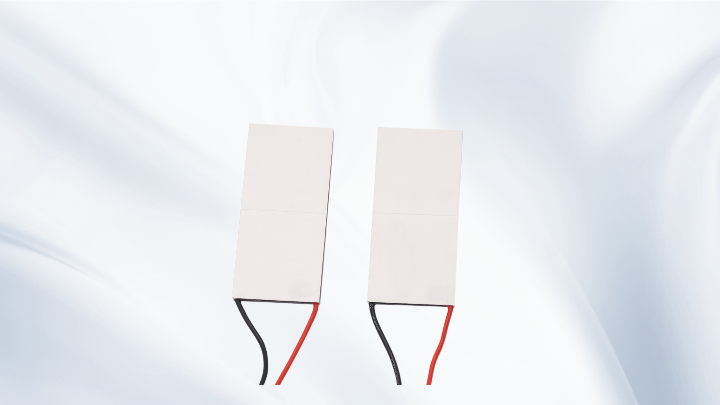
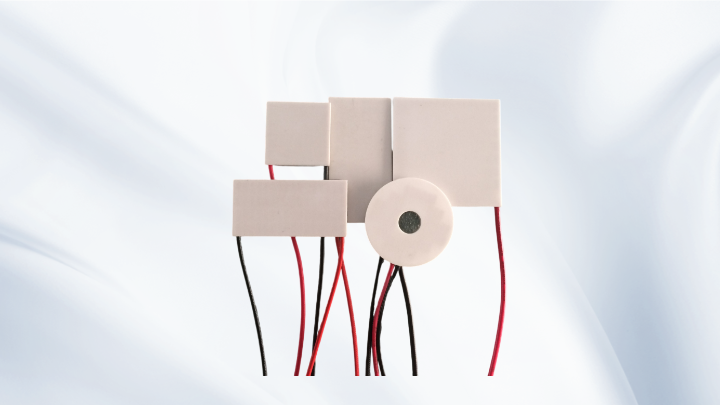
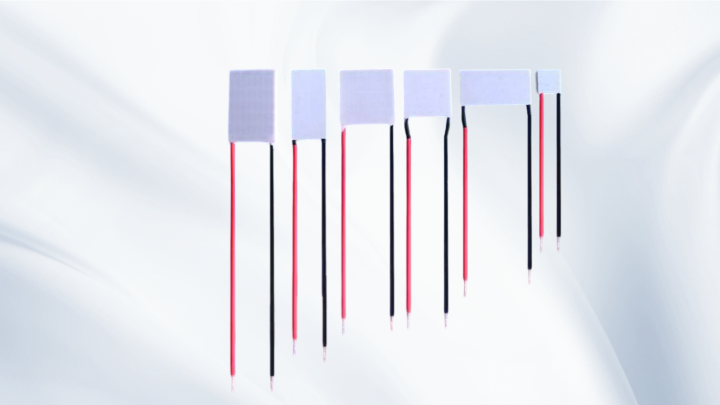
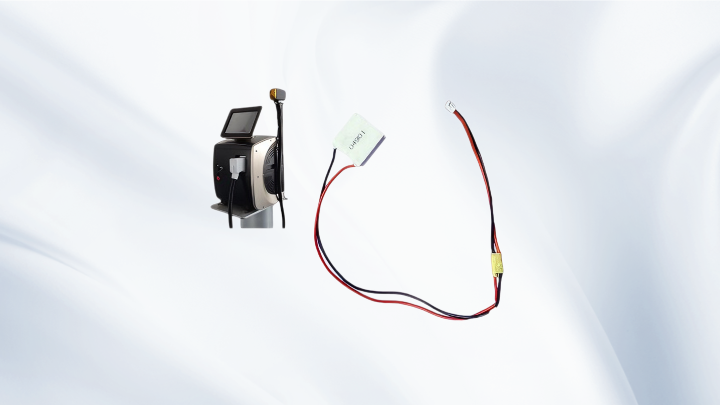
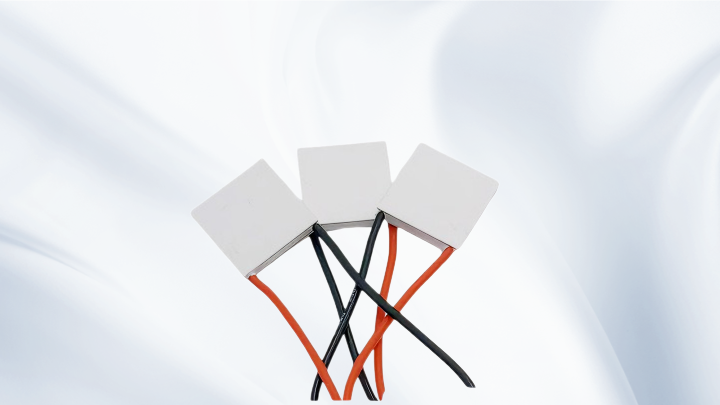
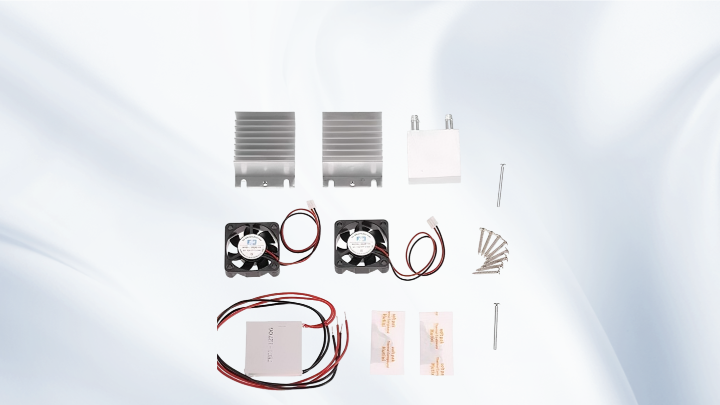
There are several types of professional semiconductor coolers, each suited to specific needs and environments. Air coolers are the most common, using fans and heat sinks to circulate air and dissipate heat; they are cost-effective and easy to install but may be less efficient in high-heat scenarios. Liquid coolers employ a coolant fluid to transfer heat away from semiconductors, offering superior cooling performance for overclocked systems or dense server racks. Thermoelectric coolers (TECs) use the Peltier effect to actively cool components, providing precise temperature control for sensitive applications like medical devices or laboratory equipment. Additionally, phase-change coolers leverage evaporation and condensation cycles for extreme cooling, often used in supercomputing or aerospace. Choosing the right type depends on factors such as heat load, space constraints, and budget.
Applications and Benefits
Professional semiconductor coolers are critical in numerous fields. In data centers, they help manage heat from servers, reducing energy consumption and preventing downtime. For automotive electronics, coolers ensure that components like electric vehicle batteries and infotainment systems operate reliably in harsh conditions. In consumer electronics, such as gaming PCs and smartphones, they enhance performance by allowing higher clock speeds without overheating. The benefits include extended component lifespan, improved energy efficiency, and reduced maintenance costs. By investing in high-quality coolers, businesses can avoid costly failures and maintain a competitive edge. Real-world examples include using liquid coolers in cryptocurrency mining rigs to handle intense computational loads, or TECs in scientific instruments to maintain stable temperatures during experiments.
Selection and Installation Tips
Selecting the right professional semiconductor cooler requires careful consideration. First, assess the thermal design power (TDP) of your semiconductor to determine the necessary cooling capacity. Check compatibility with your device's form factor and mounting mechanisms. For installation, ensure proper contact between the cooler and the semiconductor surface, often using thermal paste to improve heat transfer. Regular maintenance, such as cleaning dust from fans or checking coolant levels, is essential for long-term performance. Common mistakes include overlooking airflow in enclosures or using inadequate coolers for high-TDP components. It's advisable to consult manufacturer specifications and, if needed, seek professional assistance for complex setups. By following these tips, you can optimize cooling efficiency and avoid common pitfalls.
Common Questions
What is the difference between a professional semiconductor cooler and a standard one?
Professional coolers are designed for high-performance, reliability, and precision in demanding applications, often featuring advanced materials and technologies. Standard coolers are more basic, suitable for general use with lower heat loads.
How often should I maintain my semiconductor cooler?
Maintenance frequency depends on the environment and usage. For air coolers, clean dust every 3-6 months; for liquid coolers, check coolant levels annually. In dusty or high-use settings, more frequent checks may be necessary.
Can I use a liquid cooler for all types of semiconductors?
Not always. Liquid coolers are effective for high-heat components but require space for radiators and pumps. They may not be suitable for small or portable devices where air cooling is more practical.
What are the signs that my cooler is failing?
Common signs include increased temperatures, unusual noises from fans, reduced system performance, or visible leaks in liquid systems. Prompt replacement or repair can prevent damage to semiconductors.
Related Posts