




Mastering Thermal Management: The Essential Guide to Professional Semiconductor Cooling Plates
Understanding Professional Semiconductor Cooling Plates
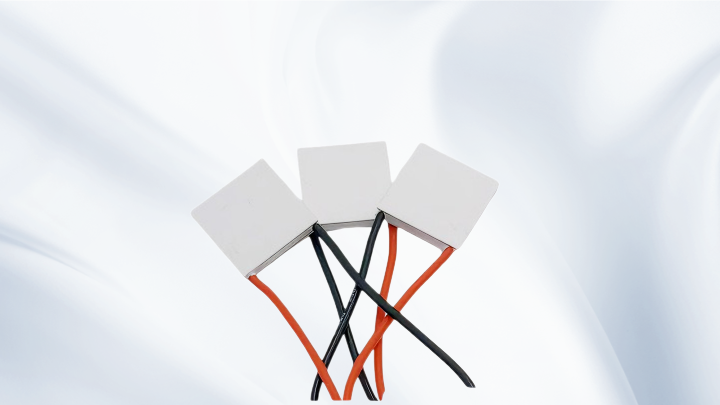
Professional semiconductor cooling plates are specialized components designed to manage heat generated by electronic devices, such as CPUs, GPUs, and power modules. In high-performance applications, excessive heat can lead to reduced efficiency, component failure, or even safety hazards. These cooling plates work by conducting heat away from the semiconductor and dissipating it into the environment, often through methods like conduction, convection, or liquid cooling. Effective thermal management is not just an option but a necessity in industries like aerospace, automotive, and telecommunications, where reliability is paramount. By maintaining optimal temperatures, cooling plates help extend the lifespan of devices and improve overall system performance.
Types and Materials of Cooling Plates
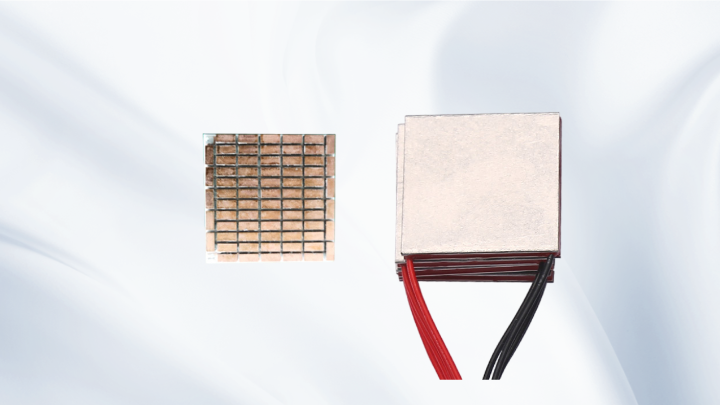
There are several types of professional semiconductor cooling plates, each suited for different applications. Common varieties include air-cooled plates, which use fins and fans to enhance airflow, and liquid-cooled plates, which circulate coolant for more efficient heat transfer. Materials play a crucial role in their effectiveness. Copper and aluminum are widely used due to their high thermal conductivity, with copper offering superior performance but at a higher cost. Advanced materials like graphene or composite alloys are emerging for specialized needs, providing lightweight and durable solutions. When selecting a cooling plate, factors such as thermal resistance, size, and compatibility with the semiconductor device must be considered to ensure optimal heat dissipation.
Best Practices for Installation and Maintenance
Proper installation and maintenance are key to maximizing the benefits of professional semiconductor cooling plates. During installation, ensure a tight and even contact between the cooling plate and the semiconductor surface to minimize thermal resistance. Using thermal interface materials, like thermal paste or pads, can fill microscopic gaps and improve heat transfer. Regular maintenance involves checking for dust accumulation, which can insulate heat, and inspecting for corrosion or damage. Implementing a routine cleaning schedule can prevent overheating issues and maintain efficiency. Additionally, monitoring temperature levels with sensors can help detect potential problems early, allowing for timely interventions to avoid system failures.
Common Challenges and Solutions
Users of professional semiconductor cooling plates often face challenges such as thermal throttling, where devices slow down to prevent overheating, or noise from cooling fans. To address these, consider upgrading to more efficient cooling systems or optimizing airflow within the enclosure. Another common issue is compatibility with newer semiconductor technologies, which may require custom-designed plates. Collaborating with manufacturers for tailored solutions can overcome these hurdles. By staying informed about advancements in cooling technology and adhering to best practices, users can mitigate risks and enhance the reliability of their electronic systems.
FAQs
What is the main purpose of a professional semiconductor cooling plate?
The primary purpose is to dissipate heat generated by semiconductors, preventing overheating that can lead to reduced performance, damage, or failure. This ensures devices operate within safe temperature ranges, improving efficiency and longevity.
How do I choose the right cooling plate for my application?
Consider factors like the heat output of your semiconductor, available space, budget, and environmental conditions. Consult technical specifications and, if needed, seek advice from experts to select a plate with appropriate thermal conductivity and design.
Can cooling plates be used in all electronic devices?
While beneficial for many high-power devices, cooling plates are most essential in applications with significant heat generation, such as servers, industrial machinery, or gaming systems. For low-power devices, simpler cooling methods may suffice.
Related Posts