





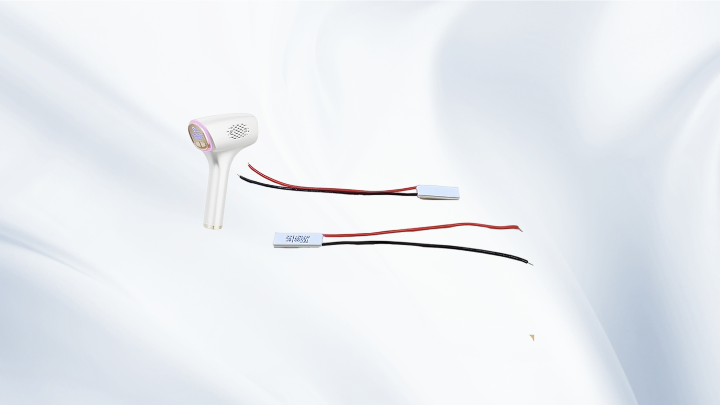
China TEC Cooler: Revolutionizing Thermal Management with Thermoelectric Technologythermoelectric cooler
Understanding Thermoelectric Coolers
Thermoelectric coolers, also known as Peltier devices, operate on the principle of the Peltier effect. When a direct current flows through two dissimilar semiconductors, heat is transferred from one side to the other, creating a hot and cold side. This allows for efficient and precise cooling without moving parts or refrigerants, making TECs a reliable choice for many industries.
The Rise of China TEC Cooler Manufacturers
China has become a global leader in the production of thermoelectric coolers. China TEC Cooler manufacturers offer a wide range of products that are both cost-effective and high-quality. With advanced manufacturing processes and strict quality control, these coolers meet international standards while being affordable. Whether for medical devices, automotive, or consumer electronics, Chinese TECs are competitive in performance and price.
Applications Across Industries
Thermoelectric coolers are incredibly versatile. In the medical field, they are used in portable coolers for transporting vaccines and blood samples. In the automotive industry, they provide seat cooling and thermal comfort. For electronics, TECs help dissipate heat from CPUs and laser diodes, ensuring stable operation. Even in the food and beverage sector, they maintain ideal temperatures for storage and display units.
Advantages of Using China TEC Cooler
Choosing a China TEC Cooler offers numerous benefits: energy efficiency in precise temperature control, compact size that fits into tight spaces, and long lifespan due to solid-state construction. Moreover, they are environmentally friendly, eliminating the need for harmful refrigerants. With rapid advancements, these coolers are becoming even more efficient, offering higher COP (coefficient of performance) values.
Selecting the Right TEC for Your Project
When selecting a thermoelectric cooler, consider factors like cooling capacity (Qc), maximum temperature difference (ΔT), and voltage/current ratings. China TEC Cooler suppliers provide detailed datasheets and customization options to match your specific requirements. It’s essential to assess heat load, operating environment, and power availability to ensure optimal performance.
Installation and Thermal Management Tips
Proper installation is critical for TEC efficiency. Use thermal interface materials like thermal paste or pads to ensure good contact. Also, consider heat sinks and fans on the hot side to dissipate heat effectively. Inadequate heat rejection can cause the TEC to overheat and fail. Additionally, control the current with a PID controller for precise temperature regulation.
Common Challenges and Solutions
One challenge is the risk of condensation on the cold side. Insulation and proper sealing can mitigate this. Another issue is a shorter lifespan if continuously operated at maximum currents; derating the TEC can improve reliability. By using high-quality China TEC Cooler products and following manufacturer guidelines, these issues are minimized.
Future Trends in Thermoelectric Cooling
The future of thermoelectric cooling is promising. Materials with better thermoelectric performance, such as bismuth telluride nanostructures, are being developed. China TEC Cooler manufacturers are investing in R&D to improve efficiency and reduce costs. Applications like wearable cooling and electronic packaging are emerging, expanding the market for TECs.
Common Questions
What is a thermoelectric cooler used for?
Thermoelectric coolers are used for precise temperature control in various applications, including medical devices, electronic equipment, automotive seating, and portable refrigerators.
How long does a TEC last?
A TEC can last over 100,000 hours if operated within its rated specifications and with proper thermal management.
Can a TEC cool below ambient temperature?
Yes, a TEC can cool below ambient temperature by transferring heat from the cold side to the hot side, but the hot side must be effectively cooled to achieve maximum temperature differential.
