





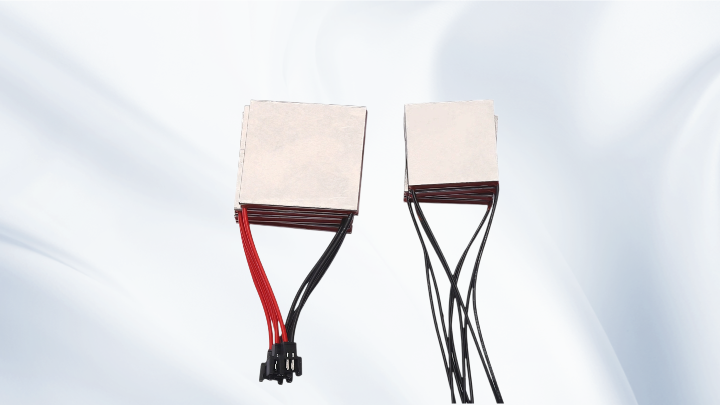
Domestic TEC Cooler: A Comprehensive Guide to Thermoelectric Cooling for Homesthermoelectric cooler
What Is a Domestic TEC Cooler?
A domestic TEC cooler is a device that uses the Peltier effect to create a temperature difference, transferring heat from one side to the other when an electric current passes through. Unlike traditional compressor-based refrigerators, TEC coolers have no moving parts, making them compact, lightweight, and virtually silent. They are commonly used in portable coolers, wine cabinets, mini-fridges, and even in personal cooling or heating pads. The key component is a thermoelectric module sandwiched between two heat sinks, one for cooling and one for heat dissipation.
How Does a Thermoelectric Cooler Work?
At the heart of a thermoelectric cooler are two dissimilar semiconductor materials, typically bismuth telluride, arranged in a series of p-type and n-type elements. When a DC current flows through them, electrons and holes move heat from one side (the cold side) to the other (the hot side). This is known as the Peltier effect. The cold side absorbs heat, while the hot side must be fitted with a heat sink and often a fan to dissipate the heat efficiently. The greater the current, the larger the temperature difference, but efficiency drops as the heat load increases.
Benefits of Using a Domestic TEC Cooler
There are several advantages to using a domestic TEC cooler for home applications. First, they are environmentally friendly because they use no refrigerants, reducing their carbon footprint. Second, they are compact and portable, making them ideal for small spaces, camping, or travel. Third, they operate silently, which is perfect for bedrooms or studies. Additionally, TEC coolers can also provide heating by reversing the current, offering a dual-function solution. However, they are less energy-efficient than compressor-based units, which is a trade-off to consider.
Common Domestic Applications of TEC Coolers
Domestic TEC coolers are widely used in everyday products. One of the most common is the portable cooler box, which keeps food and drinks cool during picnics or road trips. Another application is in wine coolers, where maintaining a consistent temperature is crucial, and the silent operation is a bonus. They are also used in mini-fridges for cosmetics or skincare, as the gentle cooling keeps products fresh without overchilling. In addition, TEC modules are integrated into bed cooling systems for hot sleepers, providing localized cooling without lowering the whole room temperature.
How to Choose the Right Domestic TEC Cooler
When selecting a domestic TEC cooler, consider the cooling capacity (in watts), the size, and the power consumption. A good rule of thumb is to choose a cooler with a capacity of about 50-60 watts per 10 liters of volume. Also, pay attention to the coefficient of performance (COP), which indicates efficiency – higher is better. Look for models with adjustable temperature controls and a reliable heat dissipation system (aluminum fin heat sinks with a fan). For home use, a 12V or 220V power supply is typical, so ensure compatibility with your home outlets.
Installation and Maintenance Tips
Installing a domestic TEC cooler is usually straightforward, especially for portable units. For built-in applications, ensure proper ventilation for the hot side to avoid overheating. Regularly clean the heat sink and fan to maintain efficiency. Check the power connections and avoid using the unit in humid environments unless it is sealed appropriately. If you notice a decrease in cooling performance, it may be due to dust buildup or a failing TEC module, which can be replaced with a standard module.
Common Questions About Domestic TEC Coolers
1. Can a TEC cooler replace a regular refrigerator? Generally, no. TEC coolers are less energy-efficient and have limited cooling capacity. They are best for small, occasional use, not for large family refrigerators.
2. How cold can a domestic TEC cooler get? It depends on the ambient temperature and the heat load. Typically, a TEC cooler can achieve a temperature difference of up to 15-20°C below ambient, so in a 25°C room, it might cool to about 5-10°C.
3. Are TEC coolers noisy? No, the thermoelectric modules themselves are silent. The only sound comes from the fan used to dissipate heat on the hot side, and many models use low-noise fans, making them nearly silent.
4. How long does a TEC module last? With proper use and maintenance, a TEC module can last many years, typically 100,000 hours or more, as long as it is not overheated or subjected to condensation.
5. Can I use a TEC cooler for both cooling and heating? Yes, by reversing the polarity of the current, the same device can heat instead of cool. This feature is often used in food warming or bed heating applications.
In conclusion, a domestic TEC cooler is a versatile, eco-friendly, and quiet solution for various cooling needs at home. While it may not replace a full-size refrigerator, it shines in portability and specialized applications. Consider your specific needs and budget to determine if a TEC cooler is the right choice for you.
