





How to Choose the Best Thermoelectric Cooler: A Complete Guide with Recommendation Chartthermoelectric cooler
Understanding Thermoelectric Coolers
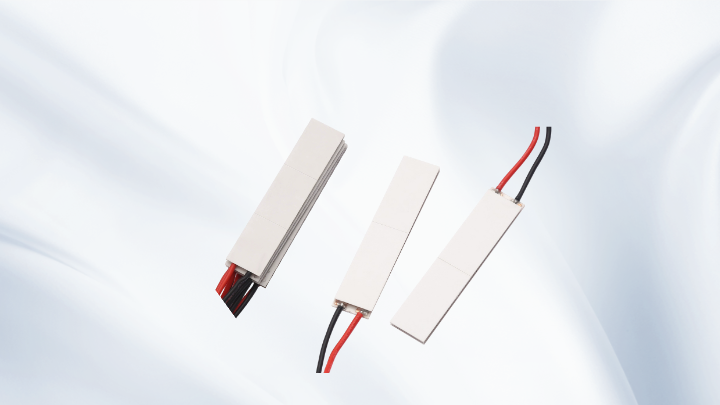
A thermoelectric cooler (TEC) is a solid-state heat pump that transfers heat from one side to the other when a DC current is applied. They are compact, reliable, and provide precise temperature control without moving parts, making them ideal for applications like electronics cooling, medical devices, and portable refrigeration.
Key Parameters for Selection
When choosing a TEC, consider these important specifications: ΔT (temperature difference), Qc (cooling capacity), I_max, V_max, and size. ΔT is the maximum temperature difference the TEC can maintain, while Qc is the heat it can remove at a given ΔT. I_max and V_max define the electrical limits. The size affects mounting and power efficiency.
Application-Specific Recommendations
For CPU cooling, choose a TEC with high Qc (50-100W) and low ΔT (20-40°C). For portable fridges, select a TEC with moderate Qc (30-60W) and high ΔT (40-60°C). For laser diode cooling, prioritize high ΔT (60-70°C) and precise control. A Thermoelectric Cooler Recommendation Chart is essential to match your needs.
Thermoelectric Cooler Recommendation Chart
Below is a sample chart for common applications. Note: Always verify with manufacturer datasheets.
Application: CPU Cooling | Recommended TEC: TEC1-12706 | Qc: 60W | ΔT: 60°C
Application: Portable Fridge | Recommended TEC: TEC1-12715 | Qc: 150W | ΔT: 65°C
Application: Laser Cooling | Recommended TEC: TEC1-12710 | Qc: 100W | ΔT: 70°C
Application: Medical Chiller | Recommended TEC: TEC1-19903 | Qc: 30W | ΔT: 55°C
Practical Tips for Implementation
Use a heatsink and fan on the hot side to improve performance. Apply thermal paste between the TEC and surfaces. Ensure adequate power supply with current rating at least 1.5 times I_max. For temperature control, use a PID controller with a thermistor.
Common Mistakes to Avoid
Do not exceed maximum ratings. Mismatching ΔT and Qc leads to inefficiency. Ensure proper mechanical stress distribution to avoid cracking. Use low ESR capacitors to suppress voltage spikes.
Frequently Asked Questions
How do I calculate the required Qc?Sum all heat loads (device power, ambient infiltration, etc.) and add a safety factor of 10-20%.
Can I use a TEC for heating?Yes, reversing current polarity enables heating; but efficiency is lower than dedicated heaters.
What is the lifespan of a TEC?Typically over 200,000 hours if operated within specs and with proper thermal management.