





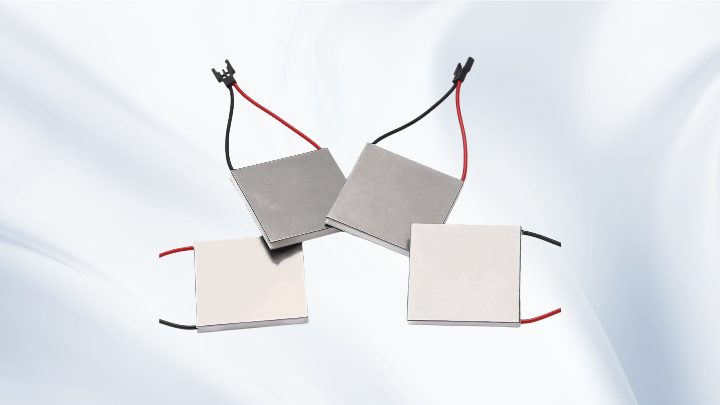
KKG Thermoelectric Cooler: Unveiling the Best in Cooling Technologythermoelectric cooler
What Makes a Thermoelectric Cooler Great?
A thermoelectric cooler (TEC) operates on the Peltier effect, providing solid-state cooling without moving parts or refrigerants. The best TEC should offer high cooling capacity, low power consumption, compact size, and reliable construction. KKG has emerged as a contender in this space, but how does it compare?
KKG's Standout Features
KKG thermoelectric coolers are designed for versatility. They are often used in CPU cooling, portable refrigerators, and medical devices. Key features include a high coefficient of performance (COP), efficient heat dissipation through advanced ceramic substrates, and robust solder joints that withstand thermal cycling. Many models incorporate temperature control modules for precise regulation.
Performance and Durability
When asking "Which is the Best Thermoelectric Cooler?", performance metrics matter. KKG units often deliver a temperature differential (ΔT) of up to 70°C under optimal conditions. Their durability is enhanced by environmentally friendly materials and rigorous testing for long-term stability. Users report consistent cooling even in demanding environments.
Comparing KKG with Competitors
Compared to brands like TE Technology or Laird Thermal Systems, KKG offers competitive pricing without sacrificing quality. While some high-end models may have slightly lower ΔT, KKG compensates with user-friendly designs and customization options. For hobbyists and professionals alike, KKG provides a balance of cost and performance.
Real-World Applications
KKG coolers excel in DIY projects, such as building a portable cooler or cooling a Raspberry Pi. They are also used in laser diode cooling and scientific instruments. Their compact size allows integration into tight spaces, making them a favorite for prototyping. A common setup involves a KKG TEC paired with a heatsink and fan for optimal heat transfer.
Choosing the Right KKG Model
To select the best KKG cooler, consider your cooling load (Qc), operating temperature range, and available power supply. KKG offers various sizes, from small 12V modules to larger 24V units. For most applications, a single-stage TEC suffices, but for extreme cooling, multi-stage cascaded modules are available.
Common Questions About KKG Coolers
Here are answers to frequent queries:
Q1: Are KKG thermoelectric coolers reliable? Yes, they have a long lifespan if operated within specifications. Avoid exceeding maximum current and temperature to prevent degradation.
Q2: Can I use a KKG cooler for underfloor heating? No, TECs are not efficient for heating large areas; they are designed for localized cooling or small-scale heating (by reversing polarity).
Q3: How do I install a KKG module? Use thermal paste between the module and heat sink. Ensure good thermal contact and proper electrical connections (red to positive, black to negative).
