





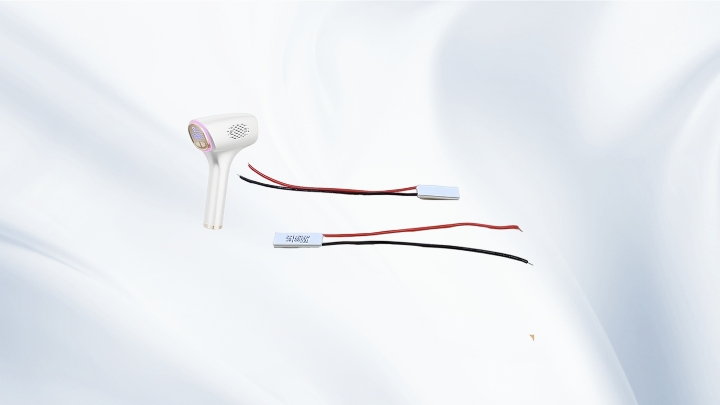
Reliable & Capable TEC Cooler: The Ultimate Guide to Thermoelectric Coolingthermoelectric cooler
Understanding Thermoelectric Coolers (TECs)
A thermoelectric cooler (TEC) is a solid-state heat pump that operates on the Peltier effect. When an electric current flows through two dissimilar semiconductors, heat is absorbed on one side (cold side) and released on the other (hot side). This allows precise temperature control in a compact, reliable package. Unlike traditional compressor-based coolers, TECs have no moving parts, making them reliable and virtually maintenance-free.
Key Features of a Reliable & Capable TEC Cooler
When selecting a TEC cooler, you need one that is both reliable and capable of handling your thermal load. Reliability comes from robust construction, such as ceramic plates and high-quality solder joints, while capability is determined by the maximum temperature difference (ΔT) and cooling capacity (Qc) the module can achieve. A high-performance TEC cooler should have a ΔT of up to 70°C and a Qc ranging from a few watts to hundreds of watts, depending on the model.
Applications of TEC Coolers
TEC coolers are used in a wide range of applications, from medical devices and laser diodes to portable refrigerators and electronics cooling. Their ability to precisely control temperature makes them ideal for situations where reliability is critical, such as in laboratory equipment or telecommunications. For example, a reliable TEC cooler can maintain a constant temperature for a photodetector, ensuring accurate readings over long periods.
How to Choose the Right TEC Cooler
Selecting the right TEC cooler involves calculating your heat load, desired temperature difference, and ambient conditions. Start by determining the maximum heat that needs to be removed (Q_total). Then, consider the temperature difference between the hot side and cold side (ΔT). A capable TEC cooler should have a Qc greater than your heat load at the required ΔT. Additionally, consider the power supply voltage and current, as well as the physical size and mounting options. For DIY projects, a 40mm x 40mm TEC like the TEC1-12706 is a popular choice, but for industrial applications, you might need a larger, more robust module.
Installation and Maintenance Tips
To ensure long-term reliability, proper installation is crucial. Always apply a thin layer of thermal paste between the TEC and the heat sink to improve heat transfer. Use a heat sink and fan on the hot side to dissipate heat effectively. Avoid operating the TEC without a heat sink, as this can cause overheating and permanent damage. Also, be mindful of the maximum current and voltage ratings; exceeding these can reduce performance or destroy the module. Regular inspection of the solder joints and electrical connections can prevent unexpected failures.
Advantages and Limitations
The main advantages of TEC coolers are their compact size, quiet operation, and precise temperature control. They are also environmentally friendly, as they do not use refrigerants. However, they are less efficient than compressor-based systems, which means they consume more power for the same cooling effect. This makes them more suitable for small-scale applications. Additionally, TECs have limited maximum ΔT, so they cannot achieve extremely low temperatures without cascading multiple stages.
Common Problems and Troubleshooting
One common issue is insufficient cooling, which often occurs when the heat sink is too small or the thermal paste is poorly applied. Another is condensation on the cold side, which can be managed by sealing the cold side with a conformal coating or using a moisture barrier. If you notice a decrease in performance over time, check for dust accumulation on the heat sink fan and ensure the power supply is stable. By following these guidelines, you can maximize the lifespan of your TEC cooler.
Future Trends in TEC Technology
As technology advances, we are seeing TEC modules with higher efficiency and greater cooling capacity. New materials like bismuth telluride are being optimized, and flexible TECs are being developed for wearable devices. The demand for reliable and capable TEC coolers is growing in the automotive industry for battery cooling and in telecommunications for 5G equipment. These innovations promise even wider applications in the near future.
常见问题
Q1: How long does a TEC cooler last?Typically, a well-maintained TEC cooler can last over 100,000 hours or around 10-15 years of continuous operation, because it has no moving parts to wear out. However, this depends on how often it is cycled and whether it is operated within its rated parameters.
Q2: Can a TEC cooler be used to heat as well as cool?Yes, by reversing the polarity of the current, the TEC cooler can either cool or heat. This makes it a versatile device for temperature cycling, such as in PCR test equipment or for keeping drinks warm in a portable cup.
Q3: Do TEC coolers require a special power supply?It is recommended to use a regulated DC power supply that can provide the rated voltage and current of the TEC module. A constant-current source is even better for stable operation, as it prevents thermal runaway.
Q4: How can I improve the efficiency of my TEC cooler?Ensure that the cold side is properly insulated and that the hot side is maintained at a temperature as close to ambient as possible. Using a high-performance heat sink with a fan, along with a low-thermal-resistance thermal interface, can significantly improve efficiency.
Q5: Are larger TEC coolers more powerful?Generally, yes. Larger modules have a larger surface area, which allows for greater heat transfer. However, the cooling capacity also depends on the number of thermocouples and the design. A reliable & capable TEC cooler will specify its maximum Qc and ΔT in the datasheet.
