





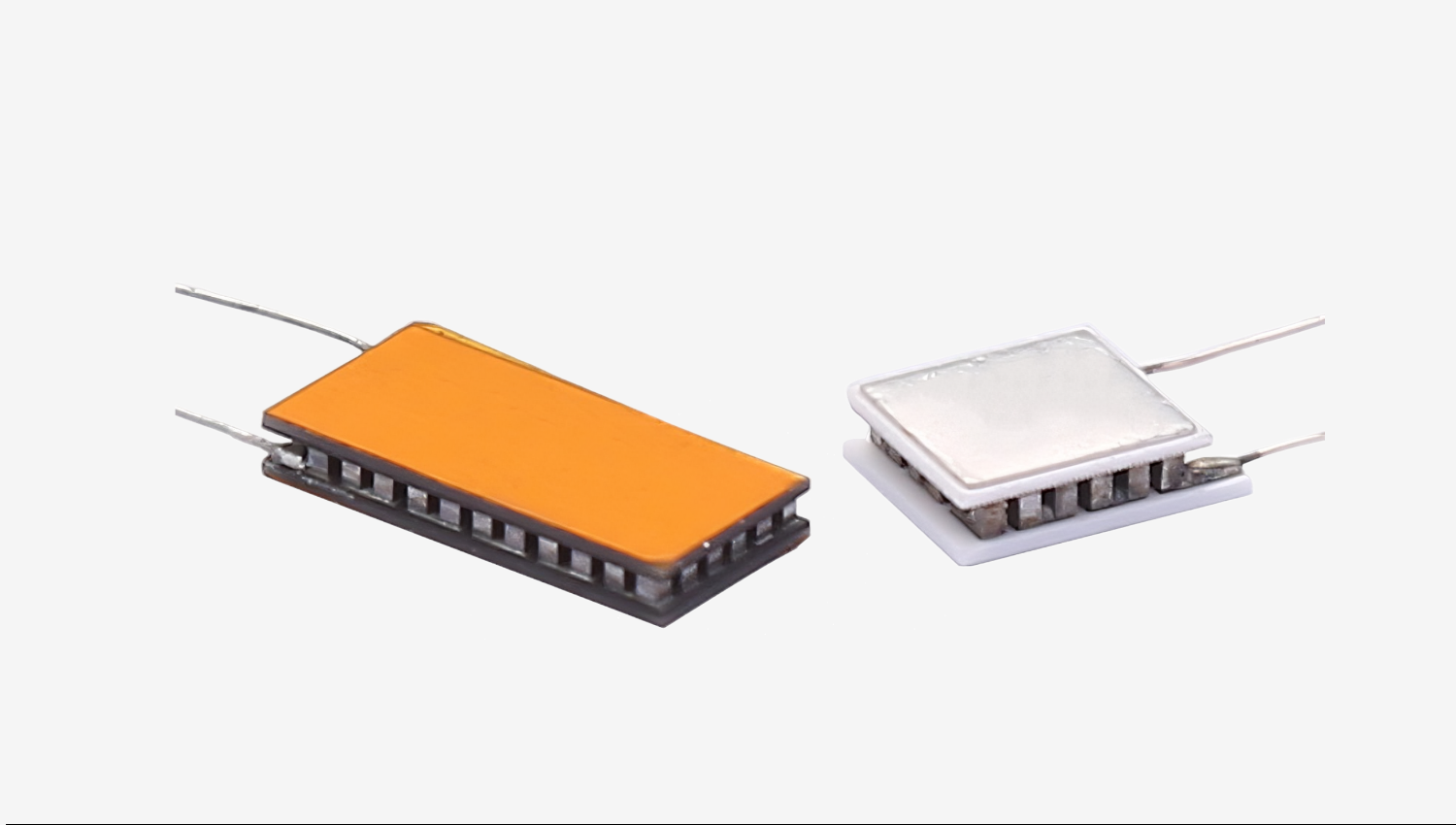
Reliable Thermoelectric Cooler: A Practical Guide to Long-Term Performance
What Makes a Thermoelectric Cooler Reliable?
Reliability in a thermoelectric cooler is not a single specification—it is the result of careful design, quality materials, and proper system engineering. A reliable TEC maintains its cooling performance over thousands of thermal cycles without degradation. Key factors include the quality of the semiconductor pellets, the joining technology between the pellets and the substrate, and the ability to withstand thermal and mechanical stress.
When we talk about a reliable thermoelectric cooler, we mean a module that can handle the required heat load while maintaining a safe operating temperature difference. It also means the module can resist moisture ingress, thermal fatigue, and electrical failures. The choice of the right TEC for your application is the first step toward this reliability.
Key Performance Parameters for a Reliable TEC
Understanding the performance parameters is essential for selecting a reliable thermoelectric cooler. The datasheet of a TEC module lists four critical values: Qmax (maximum heat absorbed at zero temperature difference), ΔTmax (maximum temperature difference at zero heat load), Imax (current to achieve ΔTmax), and Vmax (voltage at Imax). It is important to note that Qmax and ΔTmax cannot be achieved simultaneously. They represent two extreme operating points on the performance curve.
For reliable operation, you should design your TEC to operate at a point that balances cooling capacity and efficiency, rather than pushing it to its absolute maximum. Operating near Qmax or ΔTmax will place heavy stress on the module and dramatically reduce its lifespan. Instead, select a TEC with a maximum capacity that exceeds your actual heat load by a reasonable margin—typically 20% to 30%—to allow for transient conditions and degradation over time.
Proper Heat Dissipation: The Foundation of Reliable Thermoelectric Cooling
A reliable thermoelectric cooler is only as good as the hot-side heat sink. Because a TEC pumps heat from the cold side to the hot side, the heat sink must efficiently reject that heat into the ambient environment. If the hot side becomes too hot, the temperature difference across the module drops, and the cooling performance falls. Worse, sustained high temperatures can cause solder joint failure and semiconductor degradation.
To ensure reliable thermoelectric cooling, choose a heat sink with adequate thermal resistance. Calculate the required thermal resistance based on the heat load and the maximum allowable hot-side temperature. Use forced convection (a fan) when the natural convection heat sink would be too large or insufficient. Poor heat dissipation is one of the most common causes of TEC failure—yet it is also the easiest problem to solve during the design phase.
Selecting the Right TEC Module for Your Application
Selecting a reliable thermoelectric cooler involves more than picking a module with the right Qmax. You must also consider the operating voltage and current, the dimensions, the temperature range, and the environmental conditions. A reliable TEC is one that is specifically designed for your system's requirements.
Start by defining the heat load you need to remove and the target temperature difference you need to maintain. Then, calculate the required coefficient of performance (COP) and choose a TEC that can operate within a safe range. If your application requires a high temperature difference, consider a multi-stage TEC. If space is limited, look for a miniature TEC. Custom TEC modules are available for special requirements—working with an experienced manufacturer ensures that the module is built for reliability from the start.
Installation and Thermal Interface Materials
The way you install a thermoelectric cooler has a direct impact on its reliability. The TEC must be mounted evenly with uniform pressure across the module. Uneven mounting can cause mechanical stress and lead to ceramic cracking or solder joint failure. Use a compression pad or spring-loaded mechanism to maintain constant contact as temperatures cycle.
Thermal interface materials (TIMs) are also critical. A thin, even layer of thermal grease, a phase-change material, or a graphite pad improves heat transfer and prevents local hot spots. Apply the correct mounting force—too much pressure can crush the TEC, while too little leaves air gaps. Proper installation is a key part of a reliable thermoelectric cooler system.
Common Causes of TEC Failure and How to Avoid Them
Even a high-quality thermoelectric cooler can fail prematurely if it is subjected to harsh conditions. The most common causes of failure are: contamination from moisture, excessive hot-side temperature, thermal cycling fatigue, and electrical overstress. Moisture can penetrate the module and cause corrosion or short circuits. Sealing the TEC edge and using a conformal coating on the assembly can reduce this risk.
To extend the life of your TEC, keep the hot-side temperature below the maximum rated value. And design your control system to avoid rapid temperature changes that cause thermal stress. Using a temperature controller with a soft-start ramp can greatly reduce thermal cycling fatigue. When you treat a thermoelectric cooler as an engineered component that needs careful thermal management, it becomes a reliable thermoelectric cooler that lasts for years.
Frequently Asked Questions
Q: How long does a typical thermoelectric cooler last?
A: A well-designed and properly installed TEC can last more than 100,000 hours or 10 years of continuous operation. However, this depends on operating conditions, particularly the hot-side temperature and thermal cycling.
Q: Can I use a TEC at its maximum Qmax rating?
A: You should not. Operating at Qmax means the temperature difference is zero, which is not practical for cooling a load. Operating near the maximum limits generates excessive heat and stress. Always design with a margin.
Q: What is the difference between Qmax and ΔTmax?
A: Qmax is the maximum heat absorption when the temperature difference is zero. ΔTmax is the maximum temperature difference when the heat load is zero. They represent opposite extremes; selecting a reliable thermoelectric cooler means choosing an operating point between them.
Q: Do I need a heat sink on the hot side?
A: Yes, absolutely. The hot side must reject the heat pumped from the cold side plus the input electrical power. Without a heat sink, the hot side will heat up and the TEC will not cool effectively—it may also fail.
Q: Can TECs be used in humid environments?
A: Use a sealed TEC or apply protective coating. Moisture is a major cause of TEC failure. If your application is humid, choose a TEC with proper edge sealing.
Conclusion
Choosing a reliable thermoelectric cooler is a matter of understanding your thermal requirements, selecting the right module, and designing the entire system with proper heat dissipation and installation. Ignoring these factors is the fastest way to shorten the life of a TEC. A reliable thermoelectric cooler is the result of thoughtful engineering—from heat sink sizing to thermal interface material selection. By following the principles outlined in this guide, you can ensure that your thermoelectric cooling system delivers stable, long-term performance.
When you partner with an experienced TEC manufacturer like KKG, you get the support you need to select and integrate a reliable thermoelectric cooler that exactly matches your application. Our goal is to help you achieve optimal thermal management with TEC modules you can trust.
