




The Role of a Thermoelectric Cooler Processing Factory in Advanced Thermal Managementthermoelectric cooler
Introduction to Thermoelectric Coolers
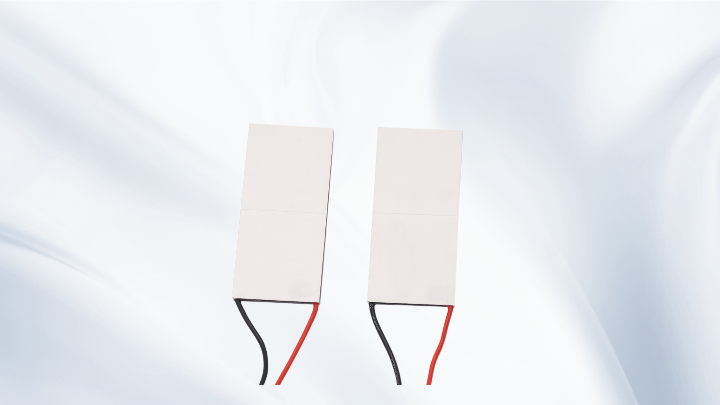
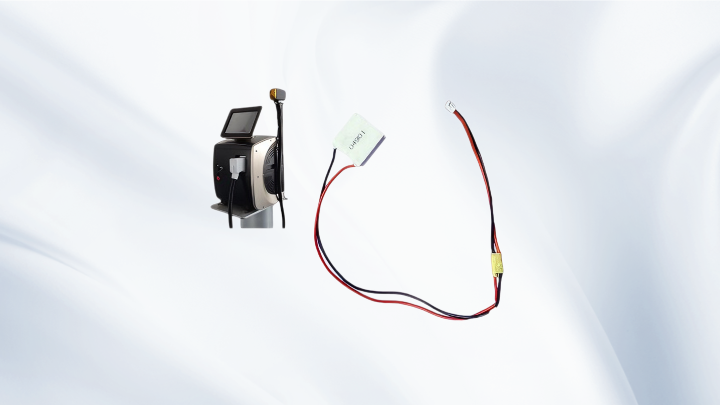
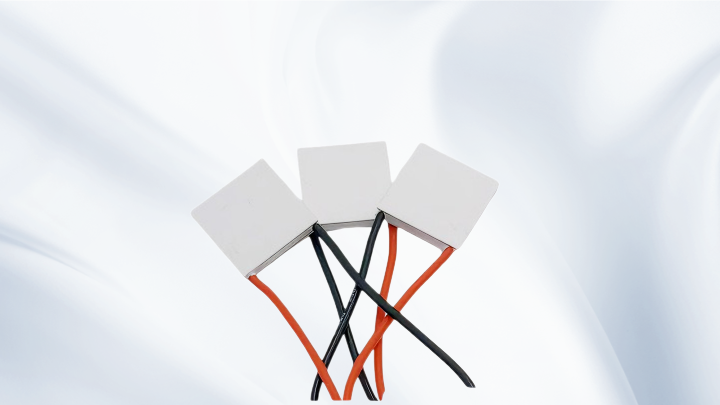
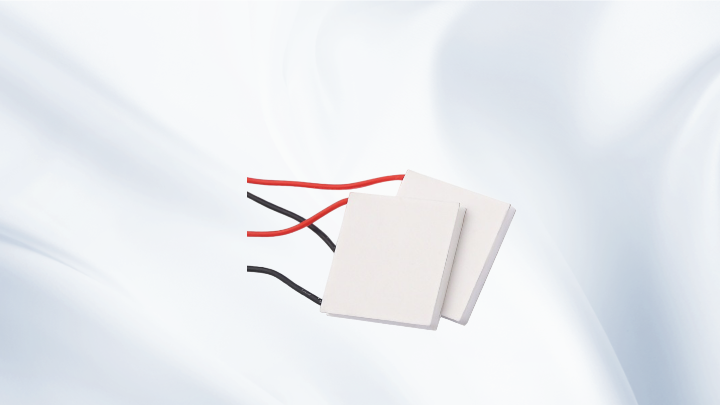
Thermoelectric coolers (TECs) are solid-state devices that use the Peltier effect to create a heat flux between the junctions of two different materials. They are widely used in applications requiring precise temperature control, such as in laser diodes, medical equipment, and consumer electronics. The performance of a TEC heavily depends on the quality of its manufacturing process, which is why choosing a reliable Thermoelectric Cooler Processing Factory is crucial.
Key Manufacturing Processes
In a Thermoelectric Cooler Processing Factory, the production involves several critical steps. First, high-purity semiconductor materials like bismuth telluride are selected and processed into p-type and n-type blocks. These blocks are then sliced into thin pellets and assembled into a matrix between two ceramic substrates. The assembly requires precise alignment and soldering to ensure low electrical contact resistance and high thermal conductivity. Advanced factories use automated pick-and-place systems and reflow soldering to maintain consistency.
Quality Control and Testing
Quality assurance is paramount in a Thermoelectric Cooler Processing Factory. Each device undergoes rigorous testing for parameters such as AC resistance, heat pumping capacity, and the maximum temperature difference (ΔTmax). Factories often employ thermal imaging and environmental stress tests to ensure reliability. A reputable factory will provide detailed datasheets and certifications, helping customers select the right TEC for their application.
Customization and Scalability
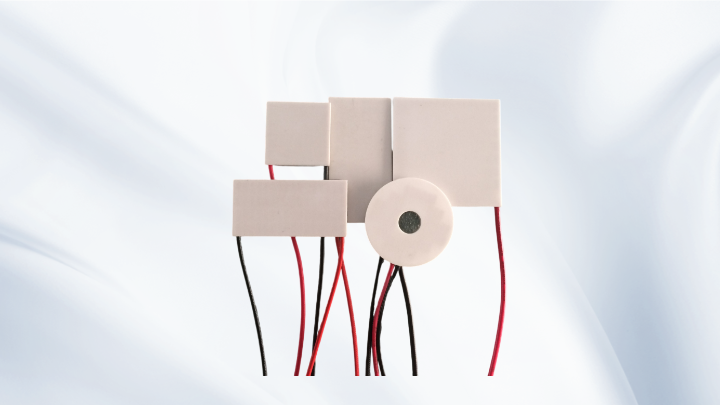
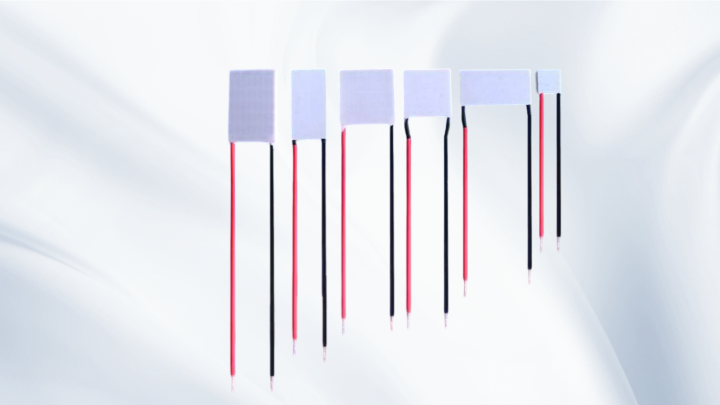
Different applications require different TEC shapes, sizes, and performance characteristics. A professional Thermoelectric Cooler Processing Factory offers customization options, from standard modules to custom multi-stage coolers. They can scale production from small batches for prototyping to high-volume runs for mass production. This flexibility is vital for industries such as automotive (for battery cooling) and telecommunications (for optical components).
Choosing the Right Factory
When selecting a Thermoelectric Cooler Processing Factory, consider factors like experience, certifications (ISO 9001), and customer support. A factory with in-house R&D capability can also help optimize the design for your specific thermal management needs. Additionally, factories that use environmentally friendly materials and processes add value for companies with sustainability goals.
Common Questions
Q: What materials are used in thermoelectric coolers?A: Most TECs are made from bismuth telluride (Bi2Te3) alloys, which are doped to create n-type and p-type semiconductor elements. These are sandwiched between ceramic substrates (e.g., alumina or aluminum nitride) for electrical insulation and thermal conduction.
Q: How long does it take to produce a custom TEC?A: Lead times vary depending on complexity and quantity. Simple designs in low volumes can take 2-4 weeks, while custom multi-stage coolers may require 4-8 weeks. Always discuss urgent requirements with the factory.
Q: Can TECs be used for both cooling and heating?A: Yes, reversing the current flow allows TECs to switch between cooling and heating modes. This makes them useful for temperature stabilization in applications like PCR cyclers and incubators.
Tags:
Related Posts