




The Ultimate Guide to KKG Thermoelectric Coolers: A Comprehensive Recommendation Chartthermoelectric cooler
Why Choose a KKG Thermoelectric Cooler?
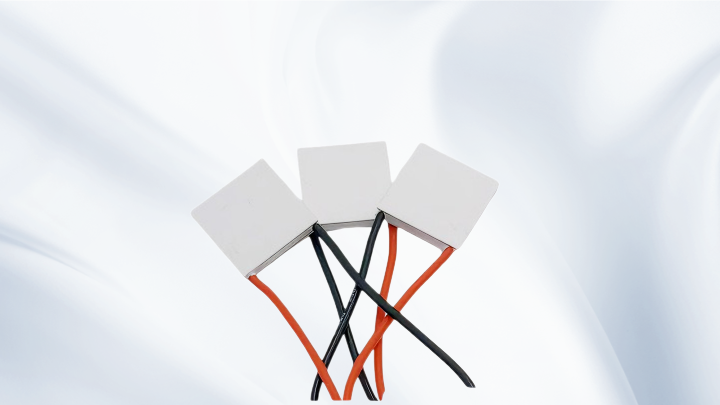
KKG thermoelectric coolers are renowned for their high efficiency, compact design, and durability. Unlike traditional compressor-based systems, TECs are solid-state, meaning they have no moving parts — resulting in quieter operation, lower maintenance, and longer lifespan. Whether you need to cool a small electronics enclosure, an automotive seat, or a medical device, KKG offers a range of options to suit various applications.
Key Factors for Choosing a Thermoelectric Cooler
Before diving into the chart, consider these critical parameters: cooling capacity (Qc), ΔT (temperature difference), operating voltage, current draw, and form factor. The right cooler must balance performance with your system's power budget and space constraints. For instance, a higher Qc is essential for larger enclosures, while a lower ΔT might suffice for moderate cooling needs.
KKG Thermoelectric Cooler Recommendation Chart
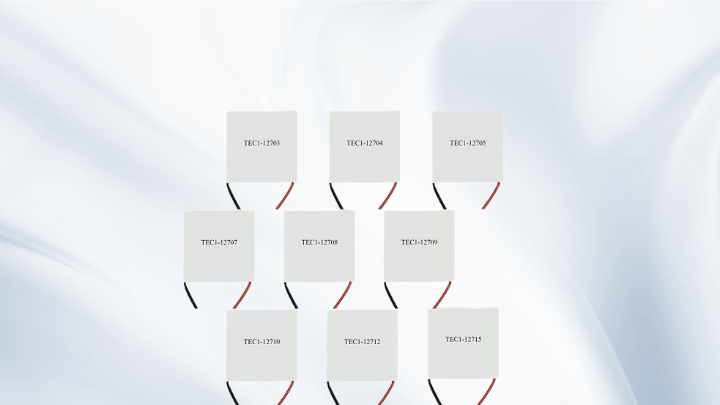
Below is a curated chart of popular KKG models, designed to help you match your requirements with the right product. The chart includes model numbers, cooling capacity, maximum ΔT, voltage, and typical applications.
Model: KKG-12715
Cooling Capacity: 72 W
Max ΔT: 67°C
Voltage: 12 V
Current: 6 A
Best For: Small electronics enclosures, laser diodes.
Model: KKG-12706
Cooling Capacity: 36 W
Max ΔT: 66°C
Voltage: 12 V
Current: 3 A
Best For: Automotive seat cooling, food coolers.
Model: KKG-19915
Cooling Capacity: 120 W
Max ΔT: 70°C
Voltage: 24 V
Current: 5 A
Best For: Medical devices, industrial cabinets.
Model: KKG-12603
Cooling Capacity: 18 W
Max ΔT: 65°C
Voltage: 12 V
Current: 1.5 A
Best For: Mini fridges, beverage coolers.
How to Use the Chart
To select the optimal model, first determine the heat load of your system (in watts) and the desired temperature differential. If your heat load is 50 W and you need ΔT=40°C, consider the KKG-12715 or KKG-19915 with appropriate heat sinks. Remember, actual performance depends on heatsink efficiency and ambient temperature. Always allow a margin of safety — choose a cooler with slightly higher capacity than your calculated load.
Installation Tips for Maximum Efficiency
For best results, pair your KKG cooler with a high-quality heatsink and fan. Apply thermal paste evenly between the cooler and heatsink to reduce thermal resistance. Ensure proper insulation around the hot side to prevent heat recirculation. If using in a humid environment, consider a condensation management plan to avoid water damage.
Common Questions
Can a KKG thermoelectric cooler be used for water cooling?
Yes, with a water block and pump, KKG TECs can cool liquids for beverage coolers or lab equipment. Ensure the cooler's capacity matches the required flow rate and ΔT.
How long do KKG thermoelectric coolers last?
When operated within spec, TECs often exceed 200,000 hours of continuous use. However, frequent thermal cycling or excessive current can reduce lifespan.
What power supply do I need?
Choose a regulated DC supply that provides the rated voltage and at least 1.2 times the current to avoid startup issues. A 12V, 8A supply works well for KKG-12715.
Tags:
Related Posts