


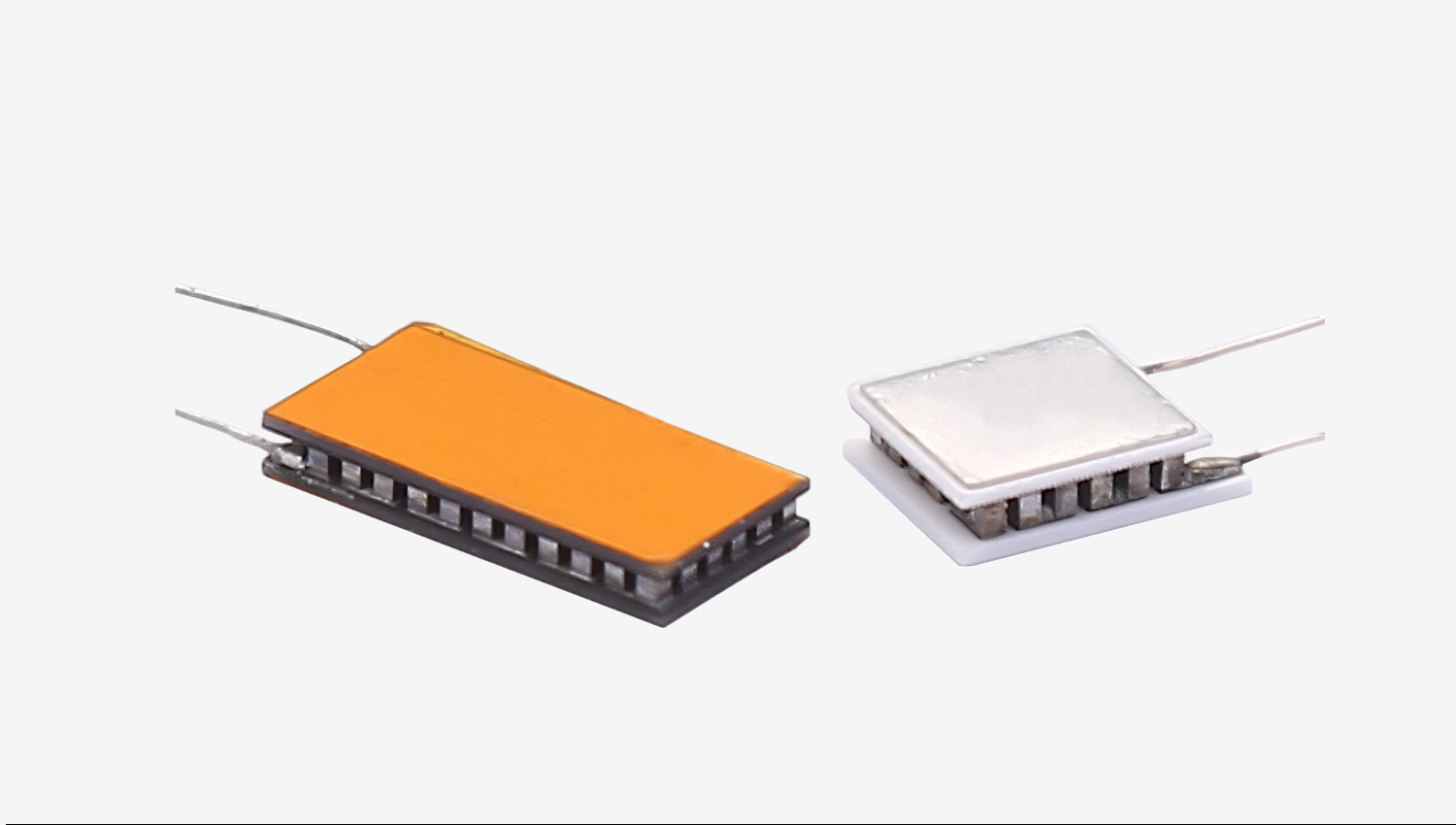
Working With a Thermoelectric Cooler Producer: A Practical TEC Selection Guide
Working With a Thermoelectric Cooler Producer: A Practical TEC Selection Guide
Selecting a Thermoelectric Cooler Producer is a technical decision, not only a purchasing one. The module must fit the heat load, temperature target, power supply, enclosure, and heat-rejection path. This guide explains the engineering points to clarify before choosing a Peltier cooler and how to read TEC data correctly.
What a Thermoelectric Cooler Producer Should Help You Define
Before a supplier can recommend a TEC module, the application must be defined in engineering terms. A useful Thermoelectric Cooler Producer will ask about the heat load, target cold-side temperature, ambient temperature, available voltage and current, space limits, duty cycle, condensation risk, and expected service life. These inputs determine whether a standard Peltier cooler is suitable or whether a custom TEC module is more practical.
A common mistake is to start with a module part number and then design the system around it. A better approach is to define the thermal problem first. The cold side must absorb the active heat load plus any parasitic gains through insulation, seals, or mounting hardware. The hot side must reject both the pumped heat and the electrical input power. If either side is poorly defined, even a well-made TEC module can miss the target temperature.
Start With the Thermal Problem, Not the Module
Write down the maximum and typical heat load, not only the average. Consider start-up conditions, transient loads, and whether the load changes with ambient temperature. Also define the required temperature difference between the cold side and hot side. A TEC that works at one operating point may not work at another, so the design envelope matters more than a single catalog line.
Cooling Capacity, Qmax, and ΔTmax: Reading TEC Data Correctly
Qmax is the maximum cooling capacity of a TEC module at zero temperature difference between the cold side and hot side, under specified conditions and usually at Imax. ΔTmax is the maximum temperature difference at zero heat load, again under specified conditions. These are reference points, not simultaneous operating goals. In most real applications, the module operates somewhere between Qmax and ΔTmax, with a useful cooling capacity at a useful temperature difference.
A Thermoelectric Cooler Producer should explain the test conditions behind these values, especially the hot-side temperature. A Peltier module rated at one hot-side temperature may perform differently at another. Higher hot-side temperature usually improves ΔT capability within limits, but it also changes heat rejection and reliability considerations. Do not assume that a module can deliver Qmax while also holding ΔTmax.
Why Actual Cooling Capacity Is Lower Than Qmax
Actual cooling capacity is reduced by heat leakage, thermal resistance, electrical resistance, and imperfect heat sinking. The cold side must pull heat through thermal interface material and mechanical interfaces, while the hot side must push heat into a heatsink and the ambient. If the hot side rises, the TEC must work against a larger temperature difference, and cooling capacity falls. This is why a TEC selection guide should always connect Qmax and ΔTmax to the real thermal resistance of the complete assembly.
Voltage, Current, and Power Consumption in Peltier Cooler Selection
Vmax and Imax describe the electrical operating range of a TEC module, but they are not a simple recommendation to run at maximum power. A Peltier cooler produces Joule heating inside the module, so increasing current raises cooling capacity only up to a point and also increases power consumption. For many applications, operating below Imax can improve efficiency and reduce heat rejection, provided the required cooling capacity is still available.
The chosen voltage and current must match the available power supply and control scheme. PWM control, linear current control, and on/off control affect ripple, electromagnetic noise, and temperature stability. A Thermoelectric Cooler Producer should provide enough data to calculate power consumption at the intended operating point and should explain how electrical resistance changes with temperature. If the design uses a battery or a sealed enclosure, power consumption and heat rejection become even more important.
More Current Does Not Always Mean More Cooling
At a fixed heat load and hot-side condition, increasing current can increase ΔT up to a limit. Beyond that point, additional Joule heat and thermal resistance can reduce net performance or create thermal stress. The right current is the one that meets the cooling requirement with acceptable power use, hot-side temperature, and reliability margin. This is an engineering trade-off, not a catalog maximum.
Heat Dissipation and Thermal Resistance: The Hot Side Decides Performance
A thermoelectric cooler moves heat; it does not destroy it. The hot side must reject the cooling load plus the electrical input power. If the heatsink, fan, cold plate, or enclosure cannot remove that heat, the hot-side temperature rises, the temperature difference increases, and cooling capacity drops. In severe cases, the TEC can thermally run away or fail prematurely.
Thermal resistance from the TEC hot side to ambient is therefore a critical design parameter. The heatsink must be sized for the total rejected heat, not just the cold-side load. Thermal interface material, mounting pressure, surface flatness, and airflow all affect the real thermal resistance. A Thermoelectric Cooler Producer can support module selection, but the system designer must validate the hot-side path under worst-case ambient and load conditions.
Thermal Interface and Installation Details Matter
Poor contact between the TEC module and the cold plate or heatsink adds thermal resistance that is difficult to compensate with more current. Use the recommended mounting pressure, keep surfaces clean and flat, and select a thermal interface material suited to the temperature range and mechanical design. Condensation, vibration, and thermal cycling should also be considered. These details are part of thermoelectric cooling system design, not optional assembly steps.
Operating Conditions, Miniature TEC, High-Temperature TEC, and Custom Options
Different applications require different TEC categories. Miniature TEC modules are useful when space is limited, but small size reduces the available cooling capacity and makes heat dissipation more challenging. High-temperature TEC modules may be relevant when the hot side or ambient is elevated, but the entire assembly must be rated for that environment. Multi-stage TEC modules can achieve larger temperature differences, but they require careful heat rejection and usually have lower efficiency. Custom TEC modules can address unusual dimensions, mounting, voltage, or thermal requirements, but they make sense mainly when the application is well defined and standard modules cannot meet the envelope.
KKG's TEC product categories, including miniature, high-temperature, multi-stage, and custom thermoelectric coolers, are relevant when the design requirements point to those specific directions. The selection should follow the thermal and electrical requirements, not the other way around.
When Custom TEC Design Makes Sense
Custom design is most useful when standard dimensions, electrical ratings, or thermal paths create a compromise in the system. Bring the producer a clear requirements package: heat load, target temperature, ambient, available power, size limits, duty cycle, and validation conditions. A good Thermoelectric Cooler Producer will explain trade-offs rather than simply offer a module. In many cases, improving the heatsink, thermal interface, or control strategy is more effective than changing the TEC itself.
Frequently Asked Questions
Can Qmax and ΔTmax be achieved at the same time?
No. Qmax is defined at zero temperature difference, while ΔTmax is defined at zero heat load. A real application operates between these points, and actual performance depends on hot-side temperature, input current, heat load, and thermal resistance.
Why does my Peltier cooler not reach the expected temperature?
Common causes include a hot-side heatsink that is too small, poor thermal contact, higher-than-expected heat load, insufficient current, excessive current causing Joule heating, or condensation and insulation losses. Check the complete thermal path before changing the TEC module.
What information should I provide to a Thermoelectric Cooler Producer?
Provide the heat load, target cold-side temperature, ambient temperature, available voltage and current, size limits, duty cycle, mounting constraints, and any reliability or condensation requirements. A clear operating envelope helps the producer recommend a suitable TEC module or explain why a custom approach may be needed.
Is a higher-current TEC always better?
No. Higher current can increase cooling capacity up to a point, but it also increases power consumption and internal Joule heat. The best operating point depends on the required cooling capacity, hot-side temperature, heatsink performance, and acceptable efficiency.
Conclusion
Selecting a Thermoelectric Cooler Producer is ultimately a thermal engineering decision. The module must be matched to the heat load, target temperature difference, hot-side conditions, available power, and mechanical constraints. Qmax and ΔTmax are useful reference values, but they are not simultaneous operating points. Real performance depends on heat dissipation, thermal resistance, voltage, current, and installation quality. By defining the operating envelope early and validating the hot-side path, engineers can choose a Peltier cooler that meets the application rather than merely fitting a catalog page. A capable Thermoelectric Cooler Producer should support that process with clear data, practical trade-off guidance, and appropriate standard or custom TEC options.
META TITLE: Thermoelectric Cooler Producer: TEC Selection Guide
META DESCRIPTION: Learn how to evaluate a Thermoelectric Cooler Producer and select a TEC module using Qmax, ΔTmax, voltage, current, heat load, and thermal management.
