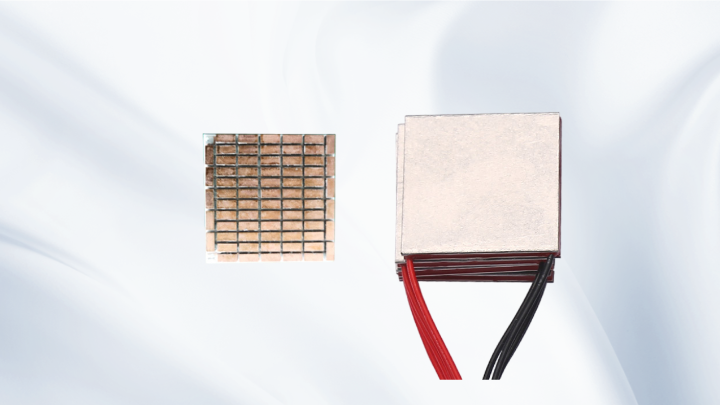
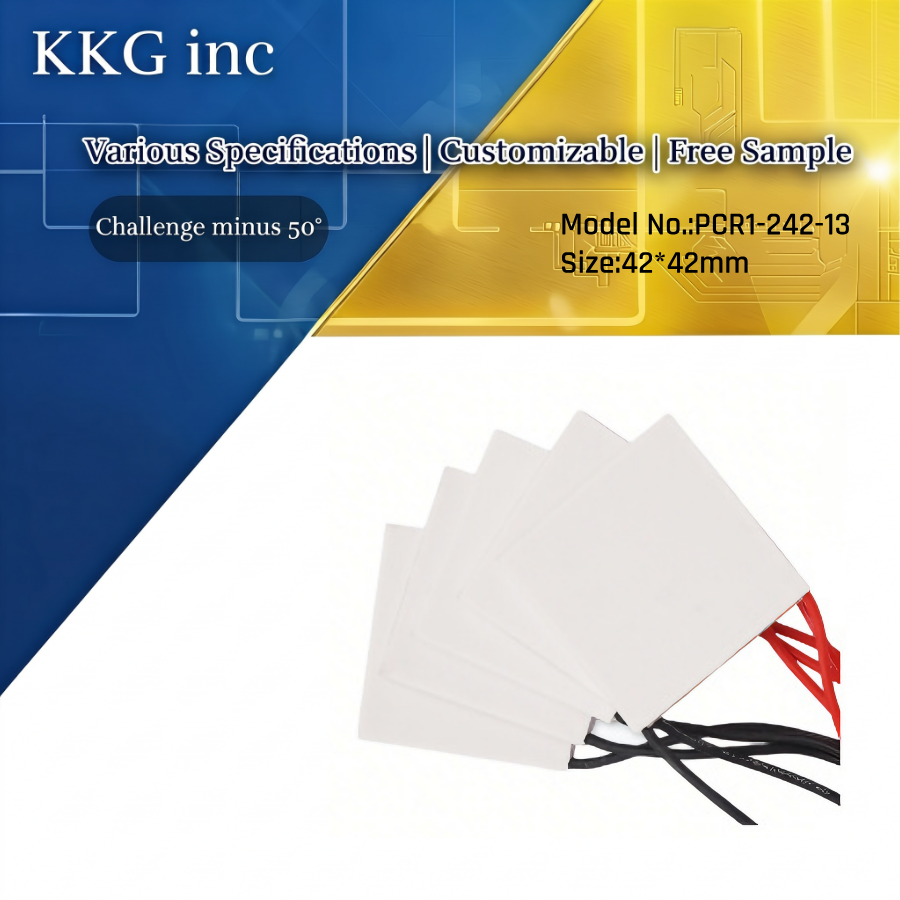
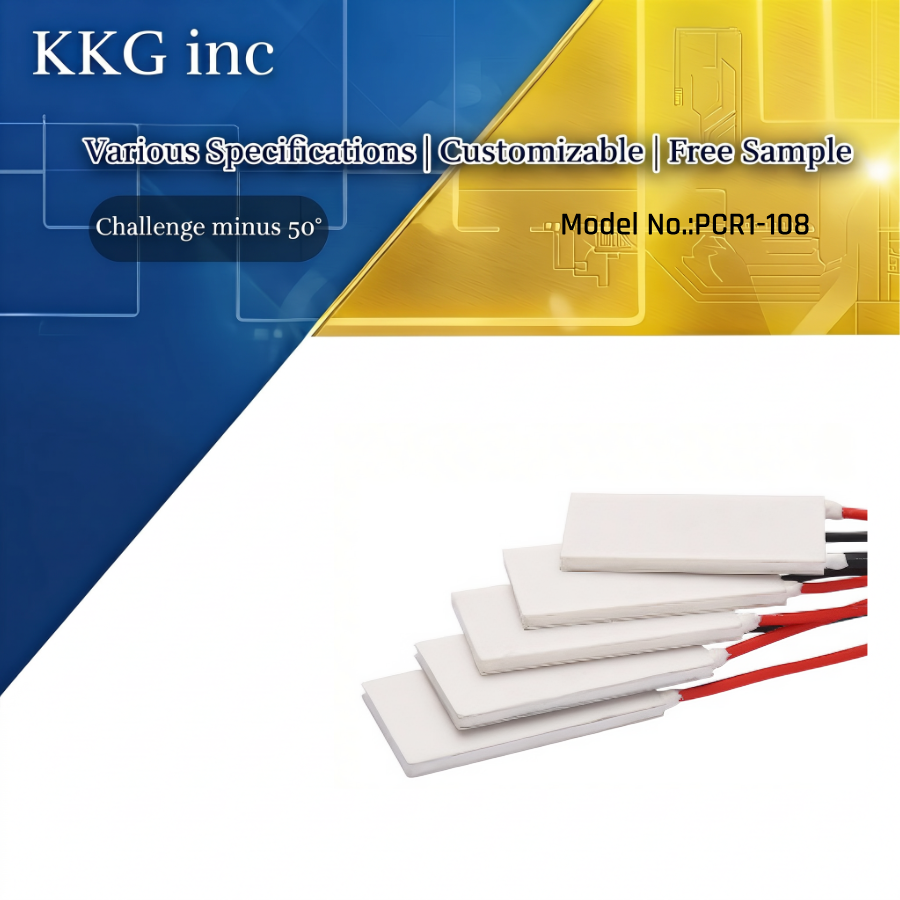
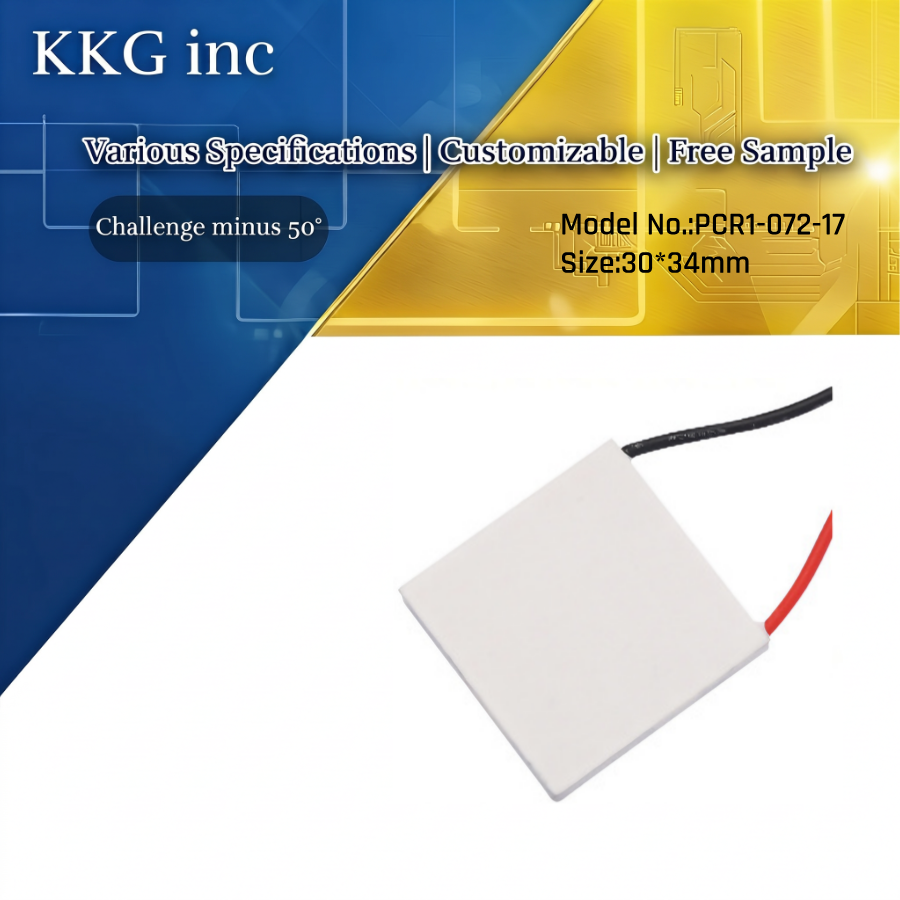
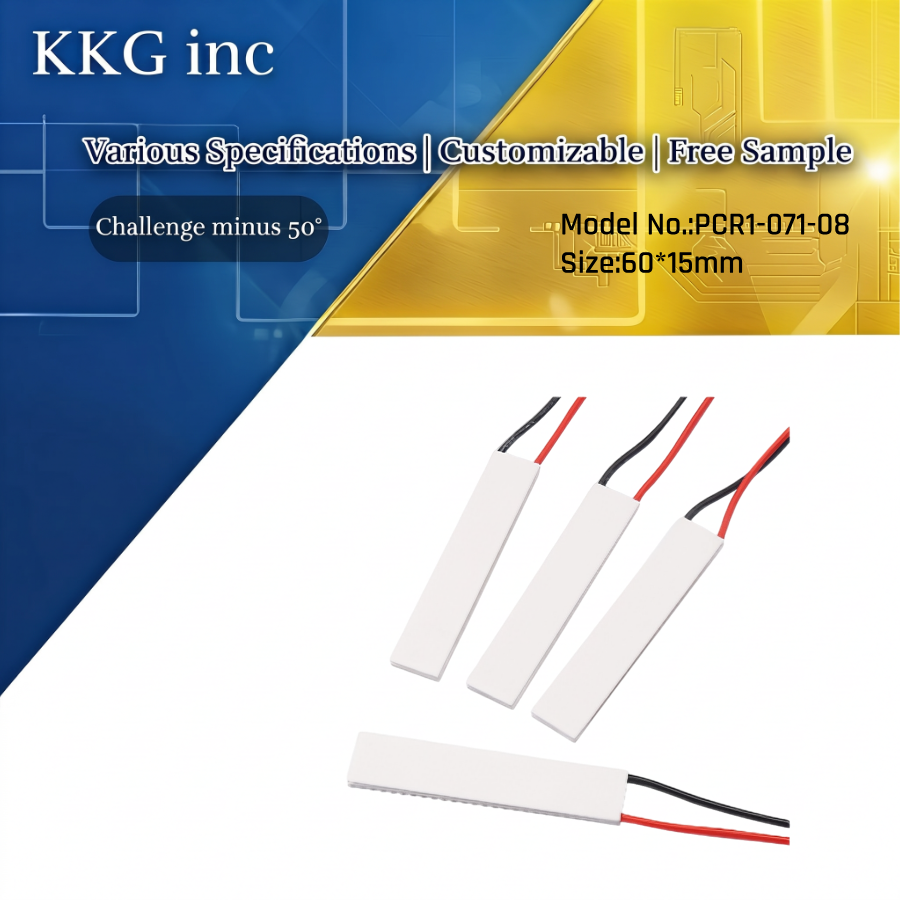
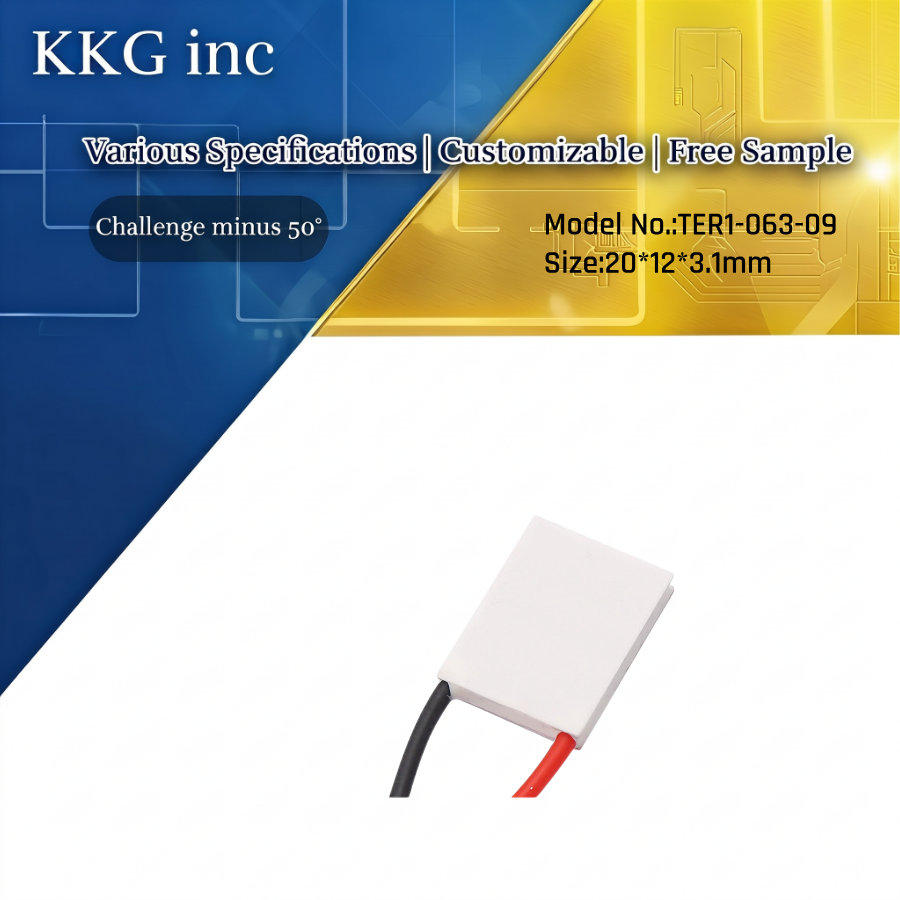
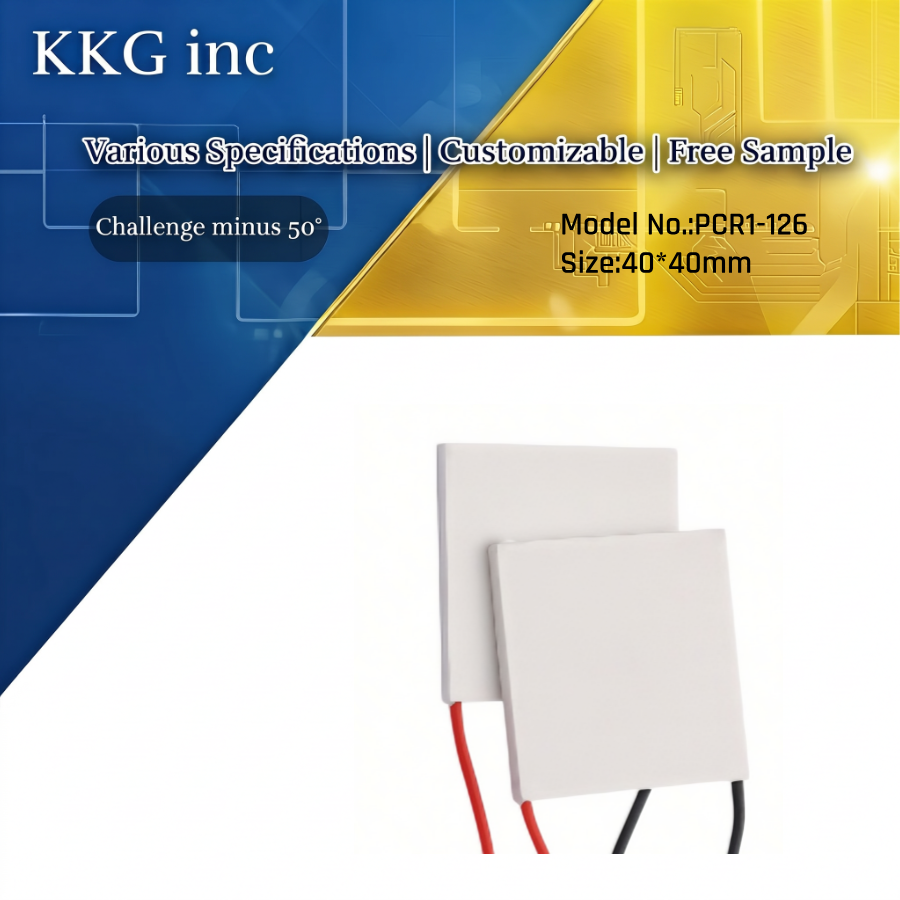
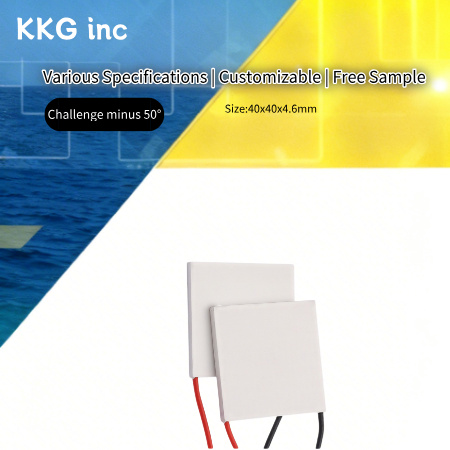
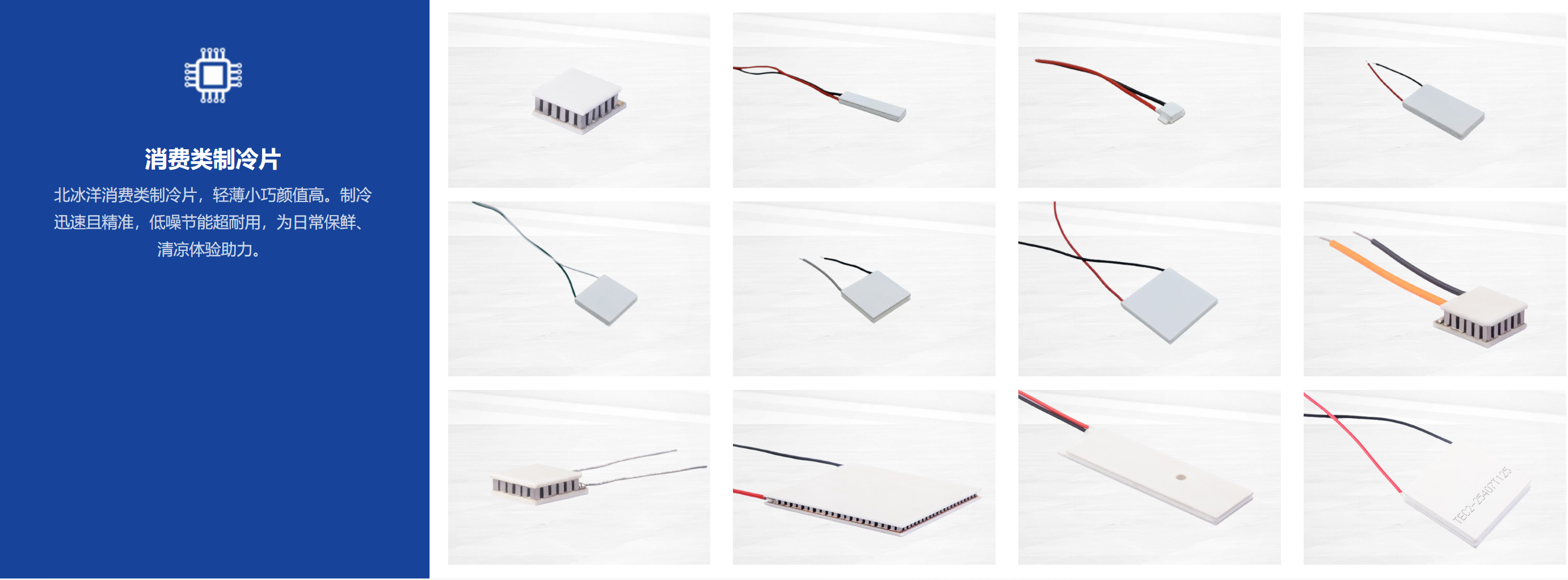
Semiconductor Cooler, also known as a Thermoelectric Cooler (TEC), is a solid-state refrigeration device that operates based on the thermoelectric effect (primarily the Peltier effect). It requires no compressors or refrigerants, achieving targeted heat transfer solely through direct current drive to produce cooling effects. Combining structural simplicity with environmental sustainability, it is widely used in various small-scale, precision temperature control applications. refrigerant. Driven solely by direct current, it achieves targeted heat transfer for cooling while offering advantages of simple structure and environmental friendliness. It is widely used in various small-scale, precision temperature control applications.
Semiconductor cooler's operating principle
![]()
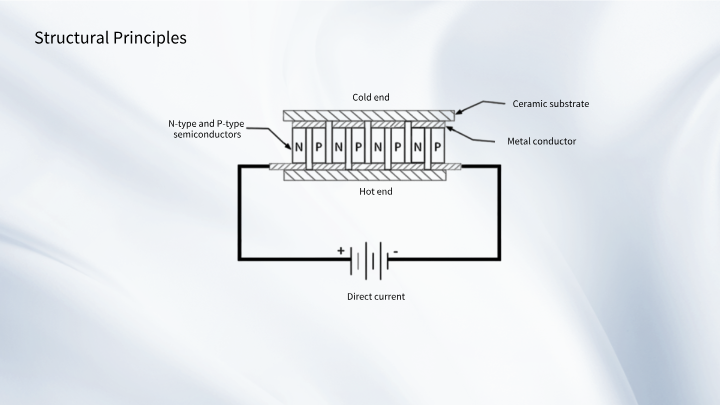
Its core operating principle is based on the Peltier effect: When direct current flows through an electric circuit composed of P-type and N-type semiconductor materials, the junction between the two semiconductors exhibits heat absorption at one end and heat release at the other, forming hot and cold ends. The heat-absorbing end serves as the cooling side, while the heat-releasing end requires a heat dissipation device to expel heat, thereby maintaining continuous cooling. Reversing the current direction switches the hot and cold ends, enabling bidirectional cooling and heating functionality. The cooling capacity of a semiconductor cooler can be precisely controlled by adjusting the current magnitude, achieving accuracy within ±0.1°C to meet demanding temperature regulation requirements.
The Feature of Semiconductor Heat sink
![]()
The Application of the Semiconductor cooling plate
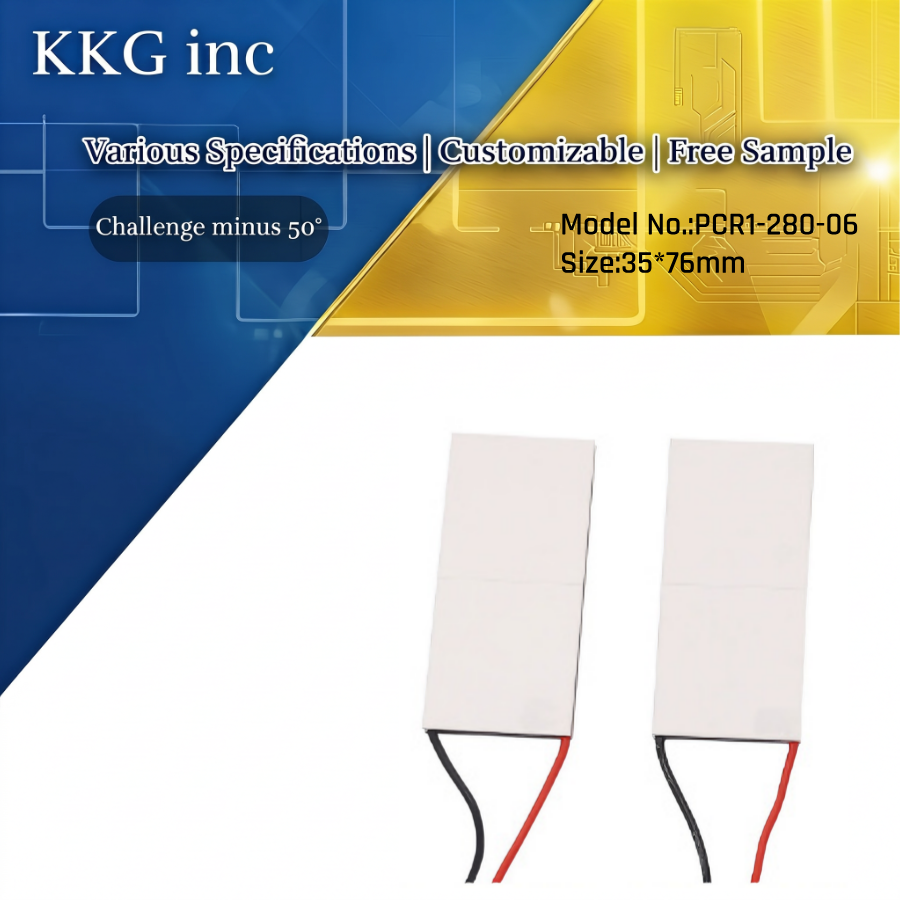
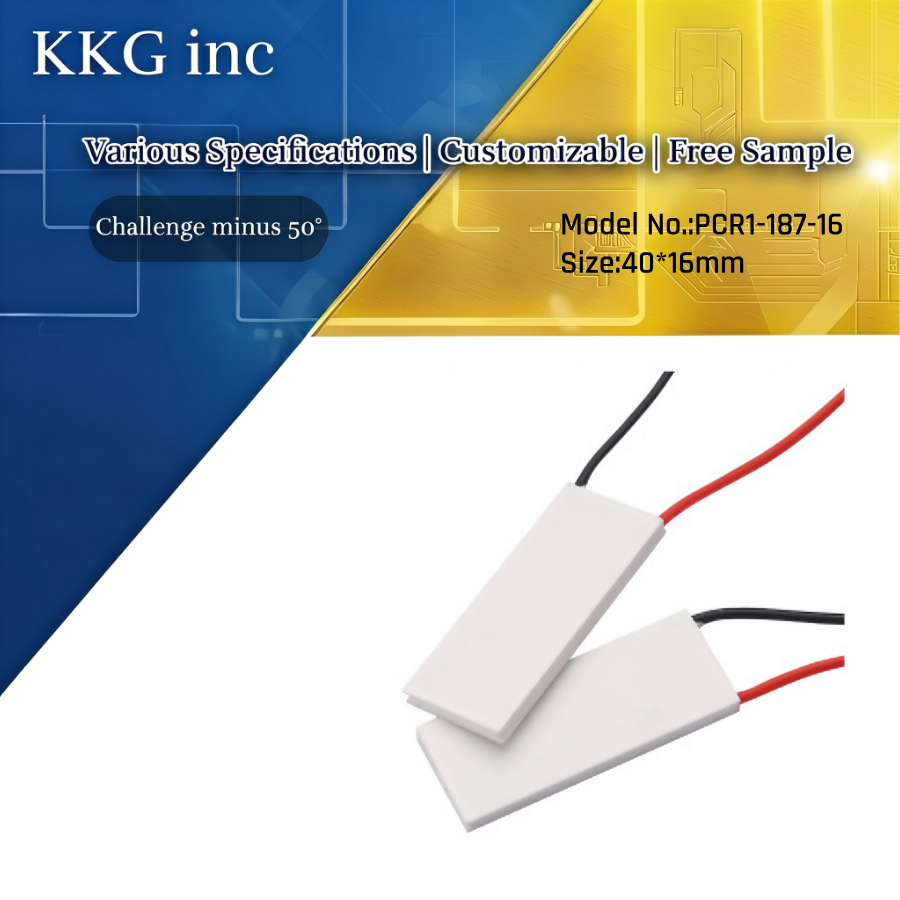
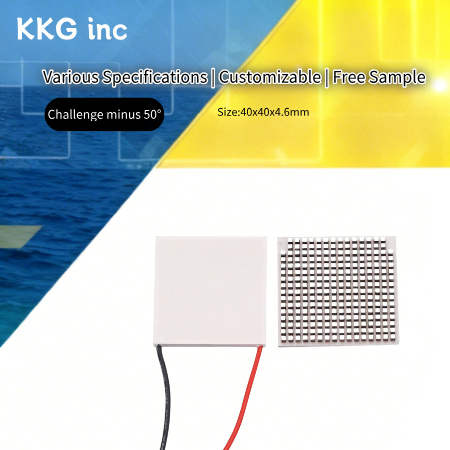
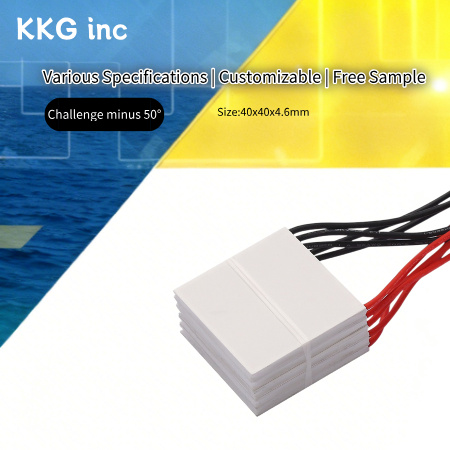
Compared to traditional refrigeration equipment, semiconductor coolers offer distinct advantages: compact size and lightweight design enable miniaturization; absence of mechanical moving parts ensures vibration-free, silent operation with zero risk of refrigerant leakage, making them environmentally friendly; long lifespan (typically exceeding 200,000 hours), high reliability, and easy maintenance; precise localized cooling without requiring whole-space temperature reduction, resulting in more efficient energy consumption; and the ability to operate normally in extreme environments such as zero gravity and high temperatures. Its limitation lies in relatively low cooling efficiency, making it more suitable for low-power, small-temperature-difference cooling scenarios. High-power applications require multi-stage cooling stacks.








 Get A Free Quote